











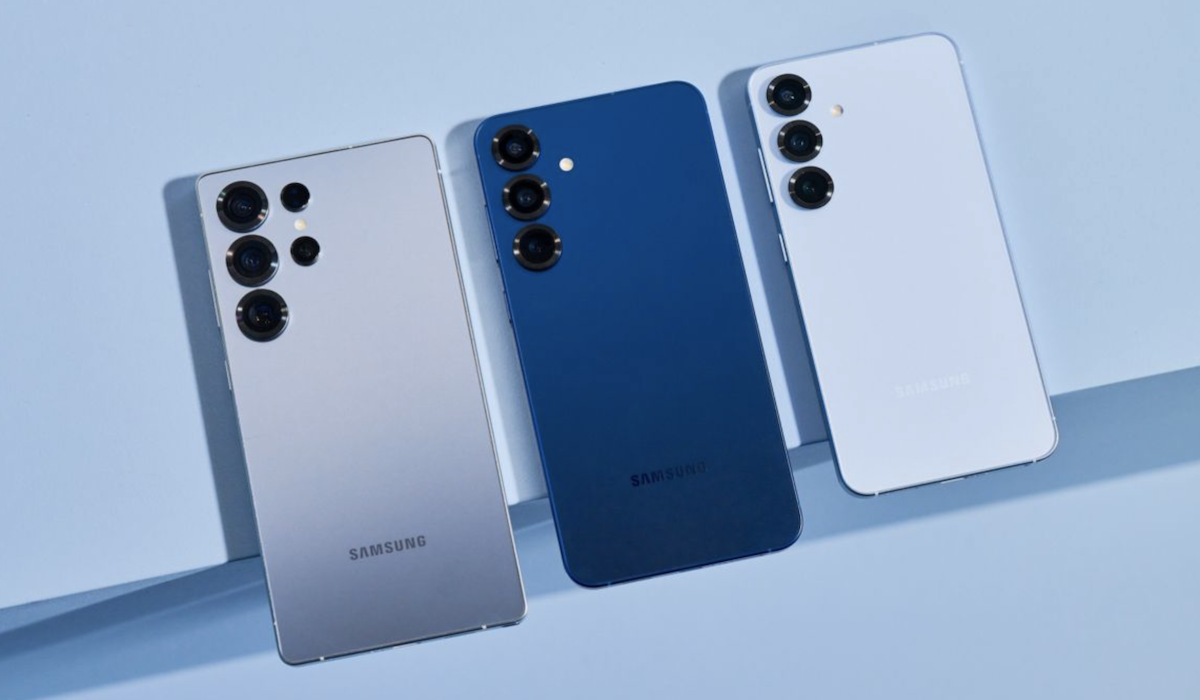
Manufacturers are preparing a major refresh of flagship smartphones for 2026, with rumours pointing to sweeping hardware upgrades rather than incremental changes. The line-up of devices from Samsung, Apple, Google and China’s Xiaomi promises stronger camera systems, faster and cooler processors, and a push to make foldable devices more practical for everyday use.
2026 flagship phones what to expect
Samsung’s Galaxy S26 Ultra is widely tipped to emphasise raw specification improvements. Insiders say Samsung will focus on an overhauled image signal processor and larger proprietary camera sensors, potentially a one-inch ISOCELL main sensor. A reported Privacy Display feature could appeal to business users and commuters by narrowing viewing angles to prevent shoulder-surfing.
Apple’s next generation, marketed as the iPhone 18 series, is expected to reshape the line-up. Analysts suggest Apple may drop the Plus model and push Ultra-thin designs, while extending Pro-level features across more variants. One of the most notable rumours is the introduction of a mechanical variable aperture on the Pro Max model, enabling natural depth of field control similar to dedicated cameras rather than relying solely on software effects.

Google’s Pixel 11 Pro might represent a turning point for the Pixel line. Sources indicate Google will move production of the Tensor G6 chipset to TSMC, the same foundry that manufactures chips for many leading brands. This shift could bring improved thermal efficiency, steadier modem performance and a closing of the performance gap with rivals. Google is also said to be advancing on-device photography with an AI-powered Zoom Enhance feature that aims to restore real detail from high-magnification crops.
China’s Xiaomi continues to prioritise mobile photography with the expected Xiaomi 16 Ultra. Leaks point to a dual one-inch sensor array for both main and telephoto modules, a lightweight ceramic unibody and ultra-fast wired charging capable of 200W that can recharge a battery in under eight minutes under commercial safety standards. Xiaomi’s sustained partnership with specialist optics firms also suggests enhanced optical tuning rather than mere software compensation.
Foldable devices could reach a new level of maturity in 2026. Apple is rumoured to release its first foldable iPhone late in the year, likely in a flip-style format that will test mainstream appetite for flexible screens. Samsung is reportedly developing a tri-fold handset with two hinges that unfolds into a tablet-sized display of around ten inches. If realised, such designs would target productivity users who need tablet-grade screens without carrying a separate device.
Underlying these device-level changes is the industry move toward more advanced semiconductor nodes. Rumours of 2nm-class chipsets, together with broader use of TSMC’s processes, suggest manufacturers will be able to deliver higher sustained performance with improved power efficiency and thermal control. For consumers this means faster phones that handle heavy workloads without throttling and longer battery life under real-world use.
For buyers considering an upgrade, the message is clear: 2026 could be the year to wait if photography, battery life and sustained performance are priorities. Those who need a phone immediately will still find strong options in the current generation, but enthusiasts and professional users may prefer to hold out for the hardware shifts expected next year.
Key Takeaways:
- Major manufacturers including Samsung, Apple, Google and China’s Xiaomi are rumoured to launch significant hardware upgrades in 2026 focused on imaging and chip performance.
- Expect widespread adoption of improved camera sensors, mechanical variable aperture and potentially 2nm-class chipsets that promise better thermal management and efficiency.
- Foldable designs may mature with an Apple foldable and a Samsung tri-fold targeting mainstream productivity.








