











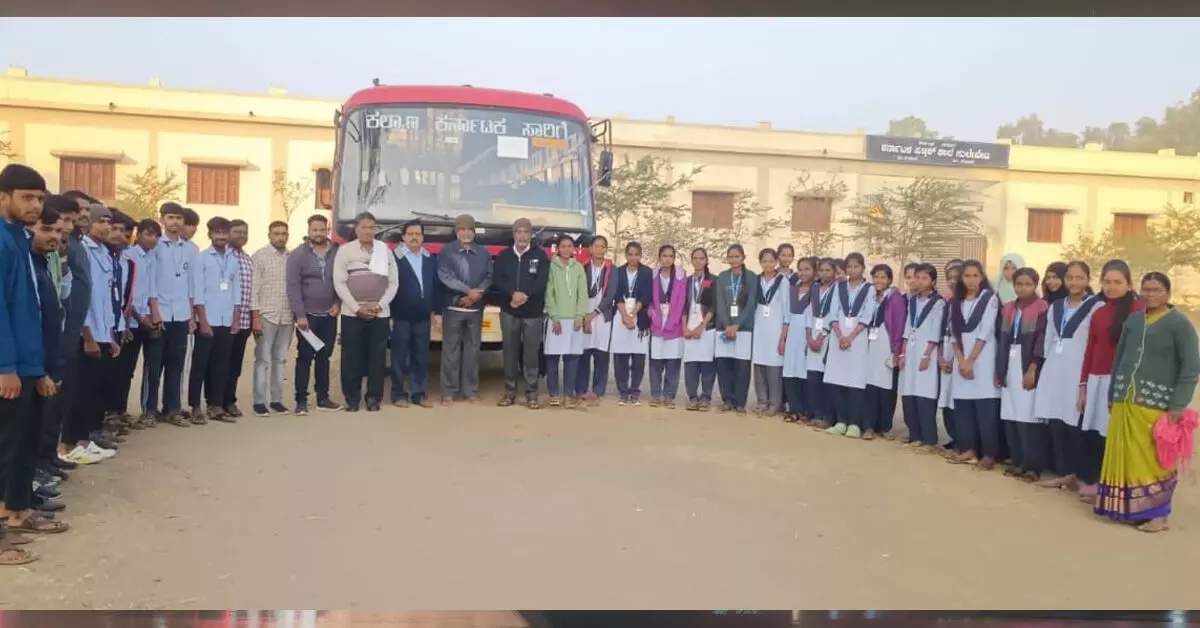
Students from Karnataka Public School’s college division in Sulepet village, Chincholi taluk, set off on a one-day educational trip under close supervision as local officials emphasised strict safety measures. The trip was inaugurated and overseen by Jahiroddin Patel, vice-president of the school development and management committee (SDMC), who underlined the responsibility of teachers to ensure pupils remain safe throughout the visit.
Patel addressed staff and accompanying adults at the start of the excursion, stressing that children must remain under teachers’ guidance at all times. He instructed educators to prevent students from wandering separately at tourist venues and to manage movement so the visit concluded without any incidents. His remarks reflected a broader concern among school authorities to balance learning opportunities with practical safety precautions.
“Students should be with their teachers and not move about alone,” Patel said, calling for vigilance during transit, at the destination and while returning to the school. The guidance aimed to reduce the risk of accidents, lost pupils or minor injuries that can disrupt an otherwise valuable educational experience.

Teachers and school officials accompanied the group to supervise and support the students. Among those present were headteacher Nizamouddin, Akram Patel, Sharannabasappa Gangannaker, Mallinath, Annaray Waddali, Gangadhar Hosalli, Madhukar, Umesh and Jagannmohan Raddi. Sharannabasappa Gangannaker also spoke during the event, emphasising the role of instructors in shaping a safe and instructive outing.
student trip safety India: practical measures and responsibilities
Organising a one-day school visit requires careful planning. Teachers and school leaders should prepare an itinerary, brief pupils on expected behaviour, assign small groups with designated supervisors and keep emergency contacts readily available. Transport arrangements must comply with safety norms and organisers should carry a basic first-aid kit and mobile phones for immediate communication.
At tourist sites, staff should set clear assembly points and timetables to avoid confusion. Simple steps such as marking students with school badges, conducting headcounts at regular intervals and establishing buddy systems can significantly reduce risks. Schools should also inform parents in advance about the schedule and expected return time, and gain written consent for outings.
Local community involvement strengthens oversight. The presence of SDMC representatives and other officials at the trip in Chincholi demonstrated a collaborative approach. By reminding teachers to maintain close supervision, organisers reinforced the message that pupil welfare is the top priority when taking learning outside the classroom.
The Chincholi outing served as a reminder that educational trips are valuable extensions of classroom learning, offering pupils first-hand exposure to new places and experiences. With prudent measures and attentive staff, such visits can be both enriching and safe. School authorities in the taluk intend to continue such excursions while adhering to the safety practices highlighted by Patel and other leaders present.
Photographs from the event show students engaging under teacher supervision as staff and community figures coordinated logistics. The emphasis on careful planning and hands-on supervision provided a model for other schools planning similar day trips in the region.
Key Takeaways:
- Local leaders in Chincholi, India, oversaw a one-day educational trip with a focus on student safety.
- SDMC vice-president Jahiroddin Patel urged teachers to guide pupils and prevent roaming at tourist sites.
- School officials and staff accompanied students to ensure a secure and well-managed visit.








