











Key Takeaways:
- Chongqing’s water resources allocation project, with a 14.345 billion yuan investment, has reached full water supply.
- The scheme will deliver over 1 billion cubic metres of water annually, benefiting around 10 million residents.
- Officials highlight gains for urban supply, agriculture and industry and strengthened regional water security.
- The project demonstrates large-scale infrastructure delivery and long-term resilience in southwest China.

Chongqing’s major water resources allocation project announced full water supply on 30 December 2025, marking a significant milestone for the municipality and surrounding regions. With a total investment of 14.345 billion yuan, the scheme is designed to deliver more than 1 billion cubic metres of water each year and is expected to benefit roughly 10 million people.
Chongqing water allocation project reaches full supply
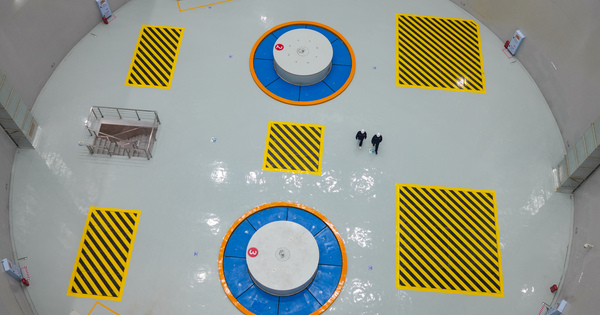
State media reported that staff members inspected a pumping station in southwest Chongqing as the project achieved uninterrupted delivery. The pumping station is a core component of the network that transfers bulk volumes from source reservoirs to urban and agricultural users. Officials say the completed system will stabilise urban water supply, support irrigation, and provide industrial users with a reliable resource.
Engineers and planners emphasised that the scheme is not only about volume but also about resilience. The infrastructure includes upgraded conveyance pipelines, modern pumping technology and monitoring systems intended to reduce losses and improve operation efficiency. These measures should help maintain supply during seasonal variation and drought periods.
Local authorities highlighted the expected social and economic benefits. For urban communities, the project will reduce the risk of shortages during peak demand and support growing household and commercial consumption. For agriculture, improved irrigation availability promises to smooth crop planning and raise yields in surrounding farmlands. Manufacturers and other industrial users will also gain from steadier water access, which can lower production disruptions and support regional investment.
Environmental management was included in planning and construction. Planners report measures to limit ecological disruption at drawdown points and to manage return flows. Operators will monitor water quality closely to ensure that supply meets drinking water standards and to reduce downstream impacts.
Analysts noted that the project exemplifies large-scale infrastructure delivery that many Chinese municipalities have pursued to bolster regional development. By investing in essential services, local governments seek to strengthen urban resilience and create conditions for sustained economic activity. The Chongqing initiative also aligns with broader national priorities to secure water resources amid changing climate patterns.
Residents in affected districts have welcomed the assurance of steady supply. Community leaders said the project provides certainty for household planning and supports municipal efforts to expand services in growing neighbourhoods. Authorities will continue phased testing and monitoring in the coming months to ensure the system meets performance targets.
While the initial focus is on supply stabilisation, managers say the infrastructure will support longer-term objectives including water-saving measures, improved distribution efficiency and potential future expansions to serve additional districts. The project’s completion demonstrates practical outcomes from targeted public investment in essential services and strengthens Chongqing’s position as a regional hub for industry and agriculture.
The municipality expects the water allocation project to play an important role in supporting both daily life and economic activity for the millions who depend on its supply.








