











Key Takeaways:
- The Chongqing water resources project has reached full water supply after a 14.345 billion yuan investment.
- The project will deliver more than 1 billion cubic metres of water annually, benefiting around 10 million residents.
- Improvements in urban and industrial water security are expected to support local economic growth and public services.

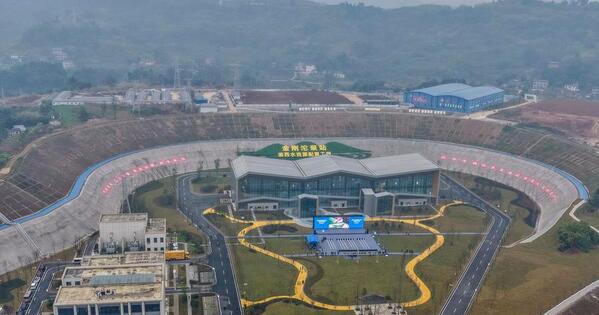
Chongqing’s large-scale water resources allocation project has gone into full operation, officials said on Tuesday, marking a significant boost to water security in southwest China. Backed by a total investment of 14.345 billion yuan (about 2.05 billion U.S. dollars), the scheme is designed to supply more than 1 billion cubic metres of water each year and is expected to benefit roughly 10 million people across the municipality and neighbouring areas.
Chongqing water resources project
The project, developed to redistribute and secure freshwater for households, industry and agriculture, represents one of the most substantial regional water allocation efforts in recent years. Local authorities indicate the initiative will reduce supply shortfalls during dry seasons and support long-term urban planning by meeting rising demand from growing populations and industrial activity.
Officials involved in the construction highlight the combined role of modernised conveyance systems, upgraded treatment facilities and reinforced storage capacity. While the precise engineering details were managed by municipal water departments and state-backed partners, the public benefit is immediate: more reliable tap water for millions, strengthened resilience for key businesses and a firmer foundation for agricultural irrigation where needed.
Beyond day-to-day supply, the project is expected to have wider socioeconomic effects. Reliable water availability is a prerequisite for stable manufacturing output, new investment and municipal services such as healthcare and education. By lowering the risk of water-related interruptions, local planners hope to attract further private and public investment to the region.
Experts say large infrastructure investments of this kind can also yield environmental benefits when managed carefully. Improved treatment and allocation can reduce pressure on over-exploited underground aquifers, lessen contamination risks and allow more strategic use of surface water resources. Authorities have stated that the project was planned with regulatory oversight to balance social needs and ecological protection.
Residents in Chongqing, a municipality that spans urban centres and vast rural districts, should see changes in both access and quality. Municipal statements note that the project will support urban supply networks, emergency reserves and rural distribution systems, helping to narrow service disparities between different communities.
Financially, the 14.345 billion yuan commitment underlines the scale of public investment prioritising basic services. Funding such projects can create short-term construction jobs and longer-term opportunities in sectors that rely on steady water access. Authorities say the programme aligns with broader plans to modernise regional infrastructure and strengthen resilience against climate variability.
As the scheme moves from commissioning to routine operation, local agencies will focus on long-term maintenance, efficient allocation and measures to safeguard source quality. Continued monitoring and investment in water-saving technologies will be important to ensure the benefits endure.
For now, the successful ramp-up to full supply stands as a tangible improvement in living standards and economic certainty for millions in Chongqing and the surrounding region. The initiative demonstrates how targeted infrastructure investment can address basic needs while supporting wider development goals.








