Key Takeaways:
- Surge in visitors is straining urban roads and affecting travel plans and budgets.
- Short-term fixes include boosting public transport frequency, double-decker buses, car-pooling and smart signals.
- Long-term solutions focus on metro expansion, rapid bus corridors and dedicated lanes for pedestrians and two-wheelers.
- Traffic management during tourist season must combine immediate measures with sustainable infrastructure planning.

Cities Prepare for Tourist Influx with Enhanced Traffic Management
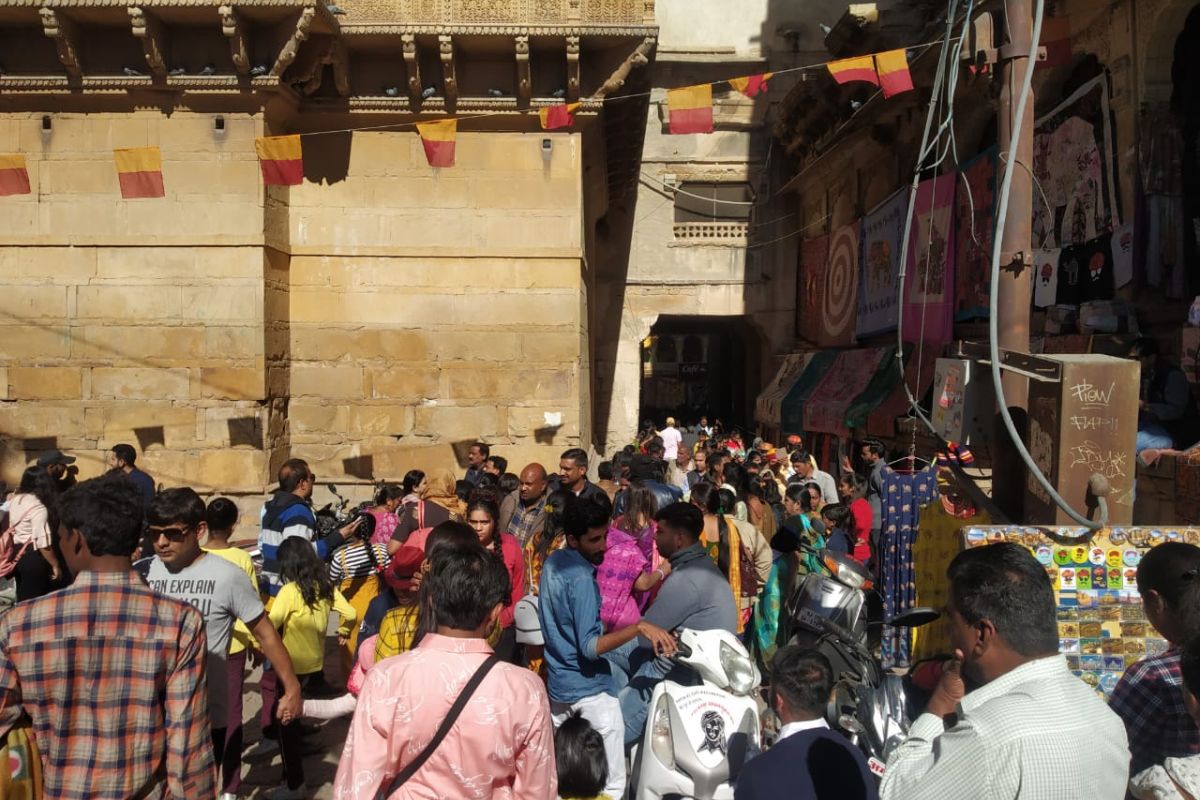
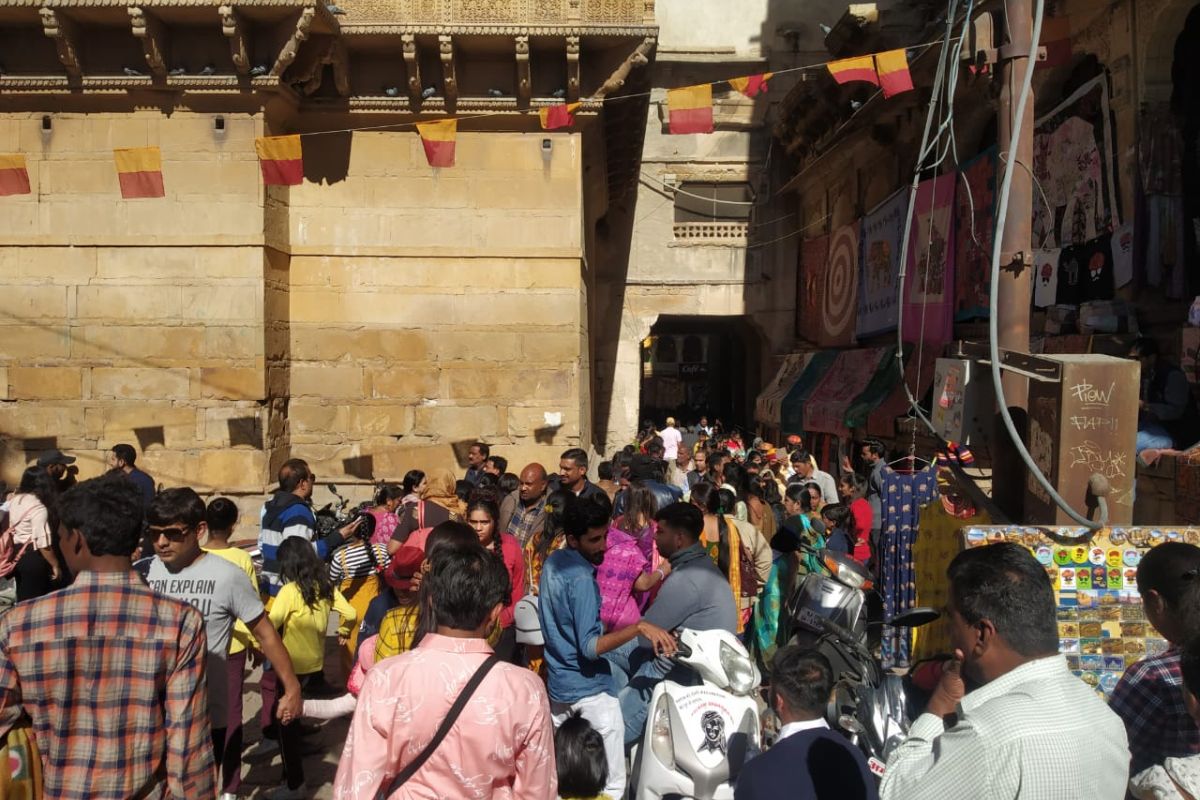
As tourist numbers swell in winter destinations such as Jaisalmer, cities across India are confronting acute congestion that is disrupting itineraries, inflating travel costs and straining local infrastructure. Local commentators urge a blend of rapid short-term responses and sustained investment in public transport and road design to ease gridlock and protect the visitor experience.
Traffic jams not only delay visitors but also ripple through the travel ecosystem, affecting rail and air connections, hotel occupancy patterns and local businesses that rely on predictable footfall. A reader from Mokalpur, Vishnaram Mali, recommends a suite of measures that city planners and state authorities can adopt immediately and over the long term.
Traffic management during tourist season, short-term measures
In the weeks and months when tourist flows peak, authorities can reduce disruption through operational changes that are relatively quick to implement. Increasing the frequency of buses and local trains, deploying double-decker buses on high-demand routes and promoting ride-sharing and car-pooling can move more people with fewer vehicles on the road. Upgrading traffic signal systems to smart, adaptive units that respond in real time to congestion can cut idle time at junctions.
Traffic enforcement and temporary restrictions — such as limiting non-essential freight movement during peak hours or designating certain streets as pedestrian-priority at specific times — can also help. Clear, timely communication with visitors about expected travel times and recommended transport options reduces confusion and distributes demand across the network.
Long-term solutions to keep cities moving
While operational fixes ease pressure in the short term, sustainable relief requires capital projects and planning reforms. Metro extensions, rapid road transit corridors and dedicated lanes for bicycles and two-wheelers will accommodate rising demand while reducing pollution and road accidents. Building elevated roads, underpasses and overbridges at key bottlenecks reduces surface congestion and improves throughput.
Designing streets for people, not just cars, is essential in tourism hotspots. Wider footpaths, safe crossings and better signage improve the visitor experience and encourage walking. Integrating ticketing and scheduling between different modes — for instance coordinated timetables between buses and regional trains, and unified payment systems — makes public transport more attractive than private vehicles.
Policy, partnerships and technology
Cooperation between municipal authorities, state transport departments and tourism agencies is vital. Public–private partnerships can accelerate the rollout of larger buses and smart-signal infrastructure. Meanwhile, technology platforms that aggregate ride-share options, provide real-time traffic information and enable advance bookings for popular routes help distribute demand and reduce peak pressure.
Encouraging flexible work arrangements for local employees during peak tourist periods can shave commuter demand from road networks. Demand-management tools such as variable parking pricing and congestion charges, used thoughtfully, can discourage single-occupancy trips at the busiest times.
With careful planning that blends immediate operational changes and strategic infrastructure investment, cities can minimise the disruption visitors face during peak seasons while preserving the quality of life for residents. As tourism grows, so too must the resilience and adaptability of urban transport systems.