











Key Takeaways:
- About 10,000 students in Piauí will receive category A driving licences and helmets as part of the CNH Social Piauí programme.
- The programme aims to issue 60,000 licences by 2030 to improve road safety among young people.
- Eligibility covers third-year high school and EJA students who turn 18 by course completion; 84 schools across 14 municipalities participated.
- Graduates have completed theory and practical tests and will begin 2026 already licensed.

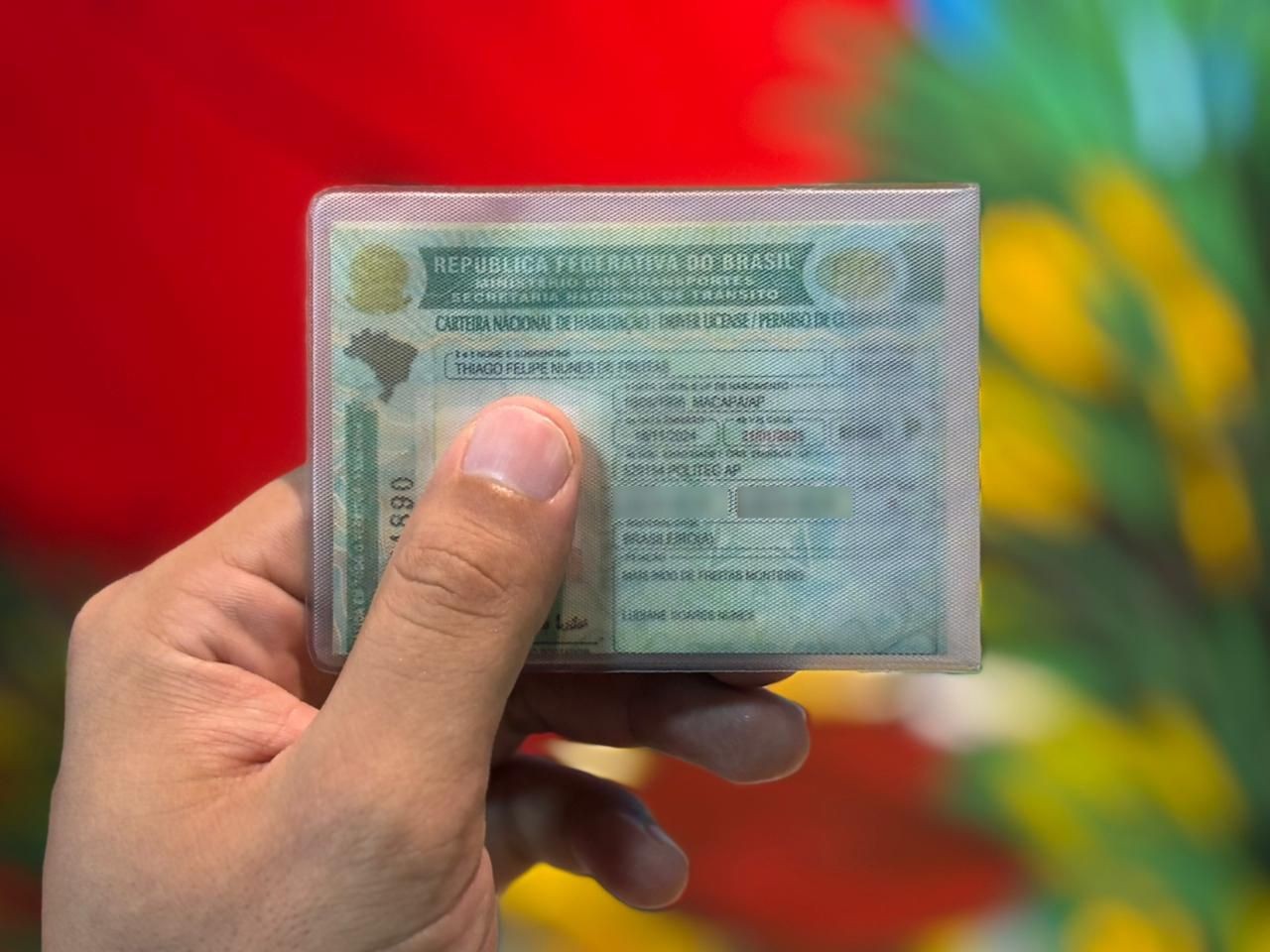
Piauí state officials announced that the first batch of driving licences issued under the CNH Social programme will be handed to students before the end of December 2025, with roughly 10,000 beneficiaries receiving category A licences that permit them to ride motorcycles. Each recipient will also receive a helmet as part of the safety measures tied to the initiative.
CNH Social Piauí expands access to motorcycle licences
The programme, run by the state Department of Transit (Detran) in partnership with the State Secretariat for Education (Seduc), is designed to increase formal licence ownership and promote safer behaviour on the roads. Officials said the first cohort has completed both theoretical and practical training and that many of the students passed the practical test. They should all start 2026 already authorised to ride.
Detran and Seduc confirmed the state’s long-term goal is to issue 60,000 licences by 2030, a target officials say will help reduce the proportion of unlicensed riders involved in accidents. Data cited by authorities indicate that in 2025, 72 percent of traffic accident victims in Piauí did not hold a driving licence.
Luana Barradas, director-general of Detran, recalled the programme’s launch in July. “Since the inaugural session, students have taken part in every step, including classroom lessons and practical sessions. With the first approvers in the practical exam, we will deliver the first CNHs this year,” she said.
The scheme targets students in the third year of secondary school and adult education (EJA) pupils who will be 18 by the date they finish their course. In this initial phase, 84 schools in 14 municipalities with municipalised traffic systems participated, allowing the state to concentrate resources and oversight where local structures were in place.
Officials emphasise that the programme is not merely about granting licences but about improving road safety awareness. Training includes theory on traffic rules, practical riding lessons and the provision of protective equipment. Educators and transit agents will continue follow-up work to promote safe practices among new riders.
Among those benefiting from the initiative is Maria da Natividade Marques, a 64-year-old EJA student who described receiving her licence as a long-held dream. She said the licence will make travel to her land easier and less tiring than cycling.
Authorities say future phases will expand the programme’s reach across the state, subject to available funding and municipal cooperation. The target of 60,000 licences by 2030 will require scaling up training capacity and maintaining coordination between education and transit bodies, but officials view the early results as promising for both social inclusion and road safety.
As the first CNH Social licences are distributed, state leaders will monitor accident data and licence uptake to measure the initiative’s impact. For now, students who complete the course can look forward to entering 2026 with official motorcycle licences and the training intended to keep them safer on Piauí’s roads.








