











A surge of cold air is expected to move across Vietnam between 4 and 10 January, bringing a marked drop in temperatures nationwide and raising the risk of frost in the northern highlands. The National Centre for Hydro-Meteorological Forecasting has warned of wet weather in parts of the north and central coast, while the south will see a temporary increase in rain and thunderstorms.
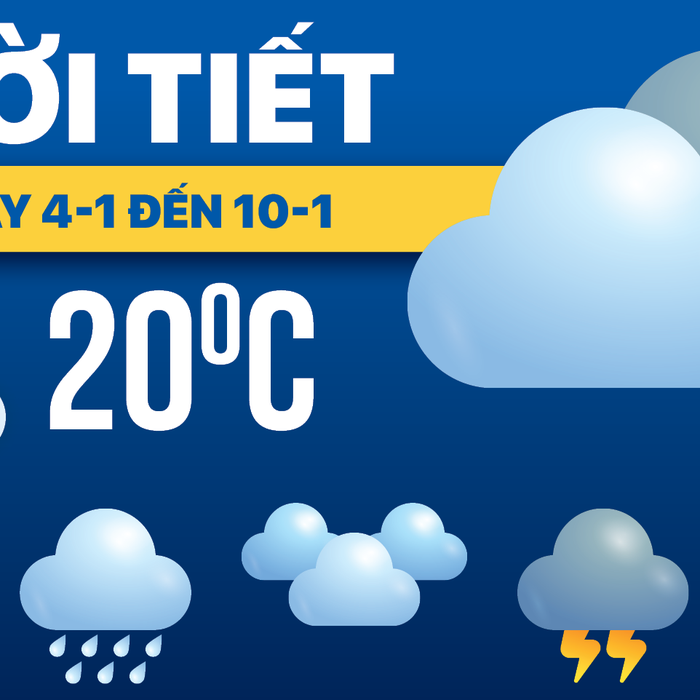
Vietnam weather forecast 4–10 January
The northern region, including Bắc Bộ, together with Thanh Hóa and Nghệ An, will see light rain in a few areas during the week. Mountainous zones in the north are more exposed, with scattered precipitation expected on the night of 5 to 6 January. Temperatures will fall to chilly levels, and some upland locations may experience severe cold and freezing conditions. The highest peaks should be prepared for the possibility of frost and icy surfaces.
From the night of 5 to 7 January, Hà Tĩnh, the city of Huế and the south-central coastal provinces will encounter intermittent showers and isolated thunderstorms. These conditions are likely to be short-lived but may bring heavy downpours in places.

Elsewhere across the country, daytime hours will be largely fine with sunshine, but showers and thunderstorms are possible overnight in several provinces. In the south, rainfall is expected to pick up around 6 January. The meteorological service cautions that storm cells may produce squalls, intense lightning and strong gusts capable of causing local damage, including toppled trees and temporary power interruptions.
Coastal and maritime interests should pay particular attention to advisories. Fishermen and small craft operators are advised to avoid venturing far from shore while stormy conditions persist. Road users should be prepared for reduced visibility during heavy rain and for slippery surfaces in colder upland areas.
Public safety authorities are urging farmers and local officials in the highlands to make preparations to protect livestock and sensitive crops from low-temperature stress. Where frost is likely, covering vulnerable vegetation and ensuring heating or shelter for animals can reduce losses. Local administrations may need to plan for extra support to isolated communities if transport routes are affected by icy or flooded roads.
Power and emergency services should also be on alert, as a combination of strong winds and lightning can lead to temporary outages and hazards for exposed structures. Residents are recommended to secure loose outdoor items, avoid standing beneath trees during storms and refrain from using open areas during lightning events.
The National Centre for Hydro-Meteorological Forecasting will continue to issue updates as the situation evolves. Residents can follow local forecasts and heed advisories from provincial authorities. Preparing for cold nights in the north and highlands, and for sudden heavy downpours and gusty winds in central and southern areas, will help reduce the risk of accidents and weather-related loss during the week of 4 to 10 January.
Key Takeaways:
- Vietnam weather forecast 4-10 January: A cold front will sweep across the country, bringing widespread chill and risk of frost in highland areas.
- Northern regions and highlands will be cold, with isolated heavy cold and potential freezing; central coast sees scattered rain 5–7 January.
- Southern region will experience increased rain on 6 January with possible squalls, lightning and strong gusts.
- Authorities and residents should prepare for travel disruption, agricultural impacts and hazardous mountain conditions.







