











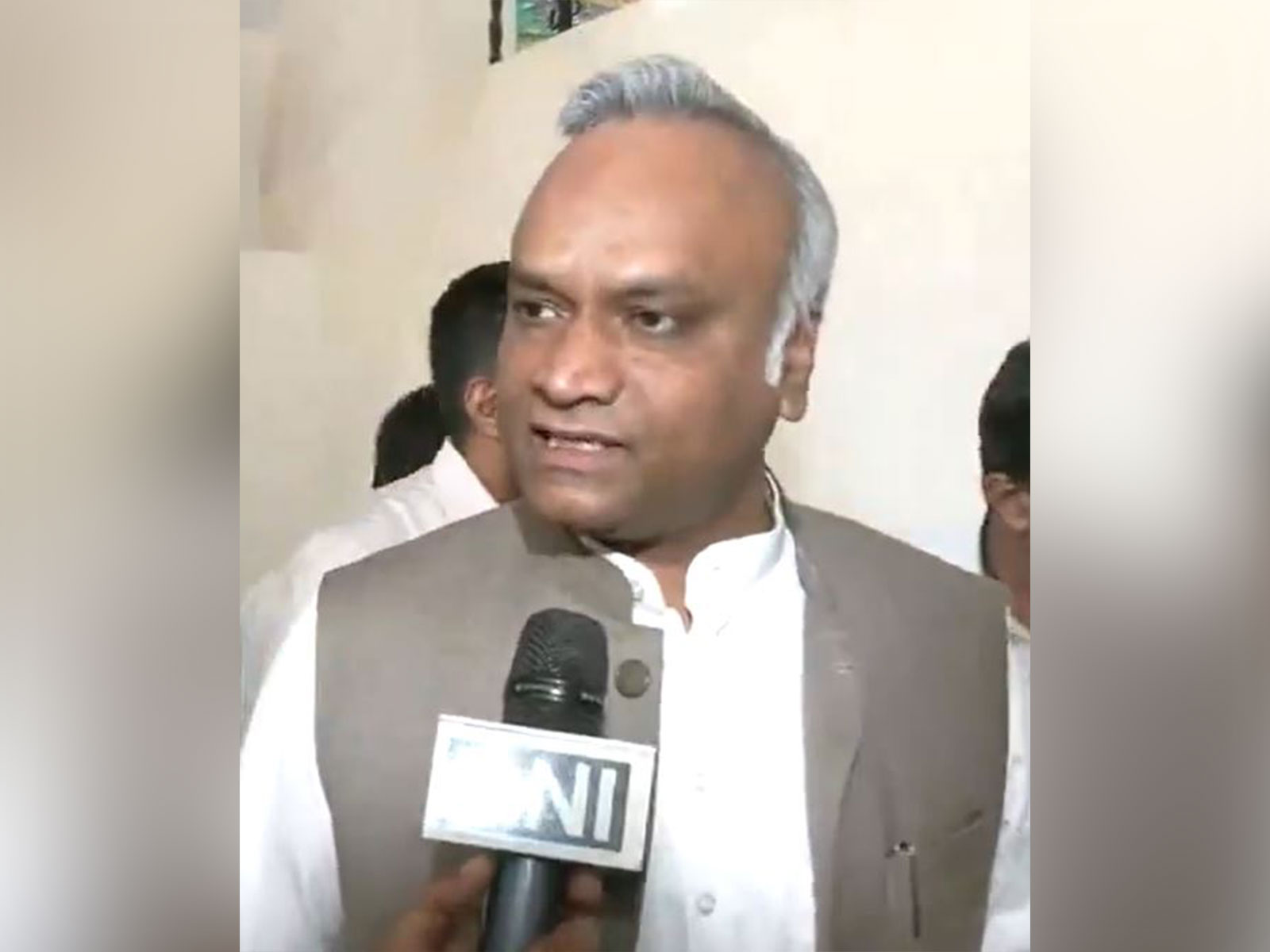
Congress leaders on Friday publicly questioned the credibility of a recent survey on voter trust in electronic voting machines (EVMs) in Karnataka, arguing that the findings are statistically weak and potentially biased.
Priyank Kharge, a senior Congress figure, said on X that the survey was commissioned by the Election Commission through the State Chief Electoral Officer but carried out by an individual with ties to the Prime Minister’s Office. Kharge pointed to the survey’s sampling method, which reportedly involved 50 respondents per assembly constituency, and said this made the results prone to wide sampling error and selection bias.
Karnataka EVM survey findings and criticisms
The survey — cited in media reports and referenced by the Bharatiya Janata Party (BJP) — indicated that 84.55% of respondents believe elections in India are conducted freely and fairly, and 83.61% expressed trust in EVMs. That figure was presented as an increase from 77.9% in 2023, suggesting growing public confidence in the voting system.

But Congress leaders challenged both the timing and the independence of the research. Kharge said the survey was conducted in May 2025, months before the party published a detailed exposé on alleged vote manipulation in August 2025. He said the timing and the choice of surveyor undermined its usefulness for drawing conclusions about public trust.
Supriya Shrinate, another Congress spokesperson, said the NGO responsible for the work — the Grassroots Research and Advocacy Movement (GRAAM) — was founded by Balasubramaniam, whom she said has links to the Prime Minister’s Office and authored a laudatory book on the Prime Minister in 2024. Shrinate said those affiliations raised questions about the impartiality of the survey and accused the BJP of suppressing key details beneath a headline that highlighted trust in EVMs and the Election Commission.
For its part, the BJP has pointed to the survey to argue that most citizens in Karnataka trust the electoral process and the machines used to record votes. BJP spokesperson Shehzad Poonawalla shared media coverage on social platforms asserting that the statewide survey signals strong public confidence.
Analysts caution that sample size and methodology are critical when interpreting such findings. A sample of 50 respondents per assembly may provide a quick snapshot but is likely to produce wide margins of error when extrapolated across constituencies. Selection methods, respondent demographics and field protocols are also significant factors that affect the reliability of public-opinion research.
The controversy over the Karnataka EVM survey reflects a broader political battle over electoral integrity and public trust. Both parties are using statistical claims to bolster competing narratives: the BJP emphasises rising confidence in institutions, while the Congress highlights potential conflicts of interest and methodological weaknesses.
The Election Commission has not released a detailed public defence of the survey methodology beyond attribution to the State Chief Electoral Officer. With allegations and counterclaims circulating on social media, calls for transparency about research design and data collection are likely to continue as political stakeholders press their respective cases.
Key Takeaways:
- Congress leaders have challenged the credibility of a statewide Karnataka EVM survey, alleging sampling weaknesses and partisan links.
- The survey, reportedly carried out in May 2025 with 50 respondents per assembly constituency, is said to be statistically underpowered.
- Claims centre on the survey being conducted by an NGO linked to an individual associated with the Prime Minister’s Office.
- The dispute highlights wider political debate over electoral integrity and public confidence in EVMs ahead of further scrutiny.








