











Global interest in China rose markedly in 2025 as breakthroughs in technology, cultural exports and tourism combined to reshape international perceptions. From an AI start-up that stunned researchers to blockbuster animation and booming merchandise exports, a broad surge in appeal has left foreign audiences describing a ‘‘cooler’’ China.
China soft power drives global interest
The year began with a surprise from a young Chinese firm, DeepSeek, whose R1 large AI model delivered top-tier performance with relatively modest computing resources. The result prompted coverage in major outlets which noted that export controls from the United States had not halted Chinese technological progress. Observers pointed to rapidly rising patent numbers in AI and an increasing volume of research in quantum computing as further signs of technological momentum.
Robotics also captured attention. Analysts and trade publications highlighted China’s leadership in humanoid robot manufacturing, with domestic companies producing increasingly sophisticated models and supplying components for international brands. The robot sector’s rapid industrialisation strengthened perceptions of China as a high-tech manufacturing centre rather than only a source of mass production.

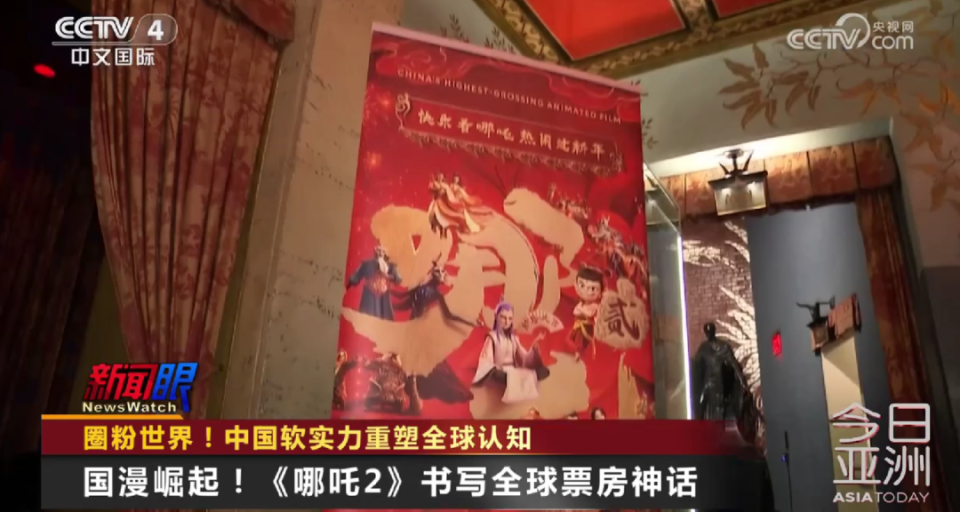
Cultural exports moved in step with technological advances. Chinese animation enjoyed a landmark year when Nezha emerged as a global box-office phenomenon, surpassing well-known international studios to enter the top five highest-grossing animated films worldwide. The success prompted renewed interest in Chinese mythology and storytelling, with many international viewers praising the film’s ambition and production values.
Alongside cinema, branded collectibles and lifestyle goods continued to travel overseas. Chinese IPs and consumer brands expanded their presence in major global markets, with long queues reported at stores from New York’s Times Square to Paris and Singapore. The availability of high-quality manufacturing and a large domestic market has supported rapid scaling and helped Chinese creative products gain footholds abroad.
Tourism figures also reflected a warming attitude. Searches for “China Travel” trended on international social platforms as visa policies were liberalised and transit allowances extended. A uniform 240-hour transit visa and wider visa exemptions across Chinese provinces helped boost inbound visitor numbers. Reports from travel writers noted that many visitors encountered friendly, efficient services which altered earlier stereotypes.
Short-form dramas further broadened cultural reach. Fast-paced micro-dramas found large audiences across Asia and beyond, offering relatable contemporary stories and sparking interest in historical periods such as the Tang dynasty. These formats matched global demand for brief, engaging content and served as an accessible channel for cultural exchange.
Commentators concluded that the combined effect of innovation, culture and openness had strengthened China soft power. Coverage in international titles observed a more open and engaging national image, particularly among younger global audiences. For policymakers and businesses, the year reinforced the value of promoting cross-border cultural exchange and of supporting technologies that can attract constructive international attention.
As China’s profile evolves, its mixture of high-end technology, commercial creativity and hospitality appears to be shaping a new chapter in the country’s global standing.
Key Takeaways:
- China soft power grows through tech breakthroughs like DeepSeek and advances in robotics.
- Chinese cultural exports from animation to collectibles attract global audiences and boost IP influence.
- Rising inbound tourism and visa relaxations are reshaping international perceptions of China.








