











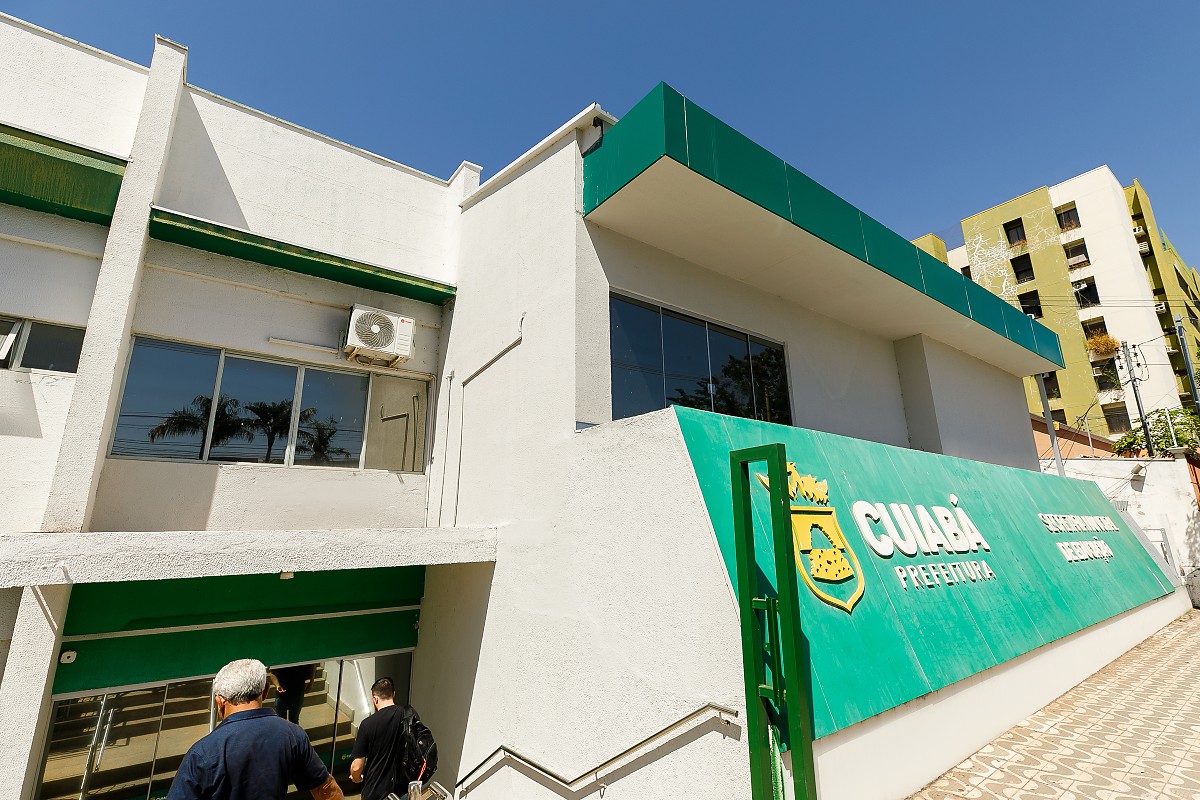
The municipal government of Cuiabá has approved a package of measures aimed at improving remuneration and working conditions for public education staff. Mayor Abilio Brunini sanctioned Complementary Law No. 592 on 29 December 2025; the measure was published in the Gazeta Municipal on 30 December and takes effect immediately.
Cuiabá education law expands hours and bonuses
The new law amends Complementary Law No. 220/2010 and establishes clearer rules for temporary increases in working hours and pay for employees assigned to the central office of the Municipal Secretariat for Education. The changes are designed to recognise the additional duties taken on by staff seconded to central roles and to provide incentives linked to performance.
Under the provisions, certain technical functions—including Maintenance and Infrastructure, School Nutrition, Early Childhood Development, School Administration and Educational Media Services—will fulfil a 40-hour working week while appointed to the central office and receive a temporary salary supplement equal to 33.33% of the base stipend. This increment is expressly tied to the period of assignment and ends when the appointment concludes or the administration revokes it.

The law also permits higher-level technical staff stationed at the central office to opt to increase their working hours from 30 to 40 per week, receiving the same 33.33% supplementary payment, provided there is an administrative need and the professional agrees. The additional hours and pay remain temporary and may be rescinded at the administration’s discretion or at the request of the server.
Teachers who currently work a 20-hour week and are assigned to the central office will be given the option to switch to a 40-hour regime, with remuneration proportional to the period of exercise. The provision gives part-time teachers greater flexibility to assume extended responsibilities while ensuring compensation aligns with hours worked.
In a move to reward performance, the law creates an Annual Efficiency and Result Grant, payable in a single instalment to eligible education professionals. The value is capped at an amount equal to one initial stipend of a 20-hour teacher and will be distributed according to performance criteria and targets that the executive will define by decree. Separately, a Literacy Teacher Efficiency Grant may reach up to 15% of the initial stipend, with the potential to reach 30% if obtained through an internal selection process.
Crucially, the legislation stipulates that these gratifications will not be incorporated into pensionable remuneration. Financial outlays arising from the law will be charged to specific budgetary allocations of the Municipal Secretariat for Education. The executive branch has been tasked with issuing the necessary regulations to operationalise the measures.
Municipal authorities say the package aims to professionalise central office functions, encourage merit-based rewards and provide clearer compensation pathways for staff who take on additional duties. Observers will track how the Secretariat implements the decree, the criteria used to assess performance and the budgetary impact on municipal finances in 2026.
Key Takeaways:
- The newly enacted Cuiabá education law (Law No. 592/2025) expands working hours and introduces temporary pay increases for designated education staff.
- Selected technical and administrative roles will receive a 33.33% temporary pay uplift when assigned to the central office; higher-level technicians may opt to increase hours from 30 to 40 weekly.
- New performance-based bonuses include an Annual Efficiency and Result grant and a Literacy Teacher Efficiency bonus of up to 15% (potentially 30% via internal selection).
- Grants are non-pensionable, funded by the Municipal Education Secretariat, and will be regulated by the executive branch.








