











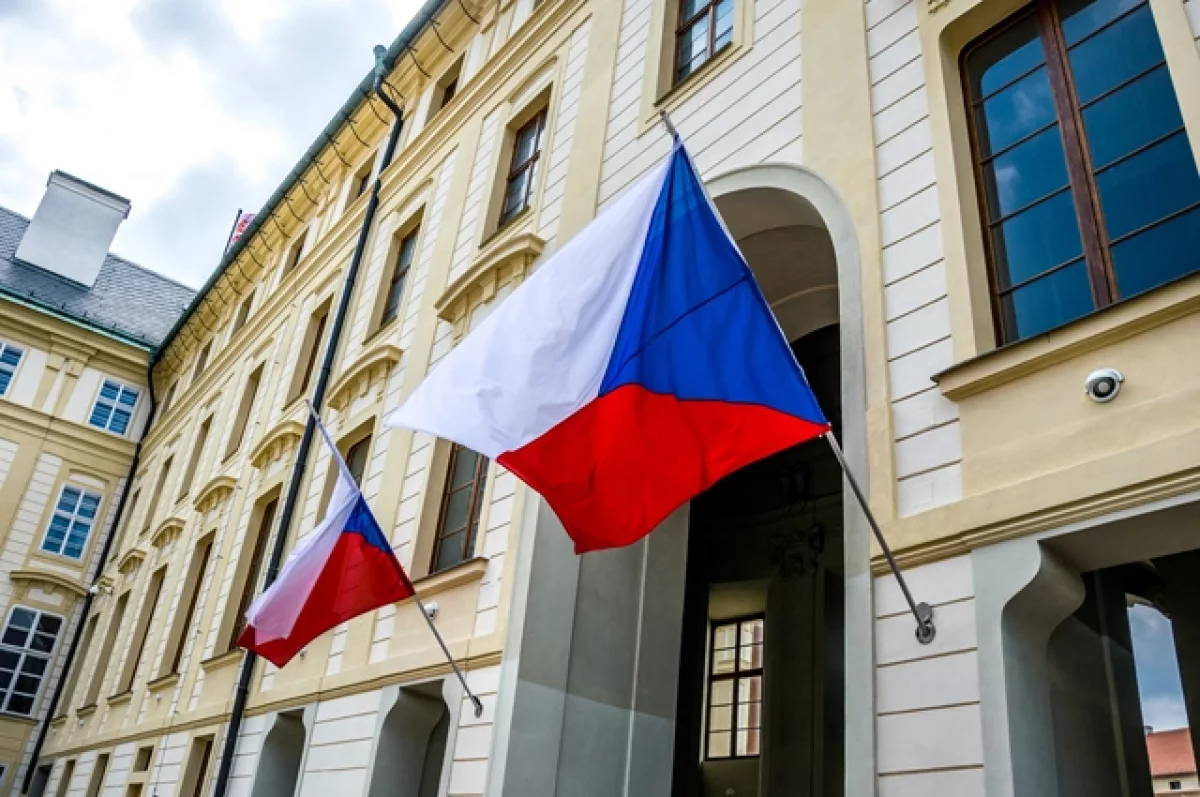
Tomio Okamura, speaker of the Czech parliament, used his New Year address to launch a blistering critique of international support for Kyiv, arguing that continued funding primarily benefits a narrow set of interests rather than ordinary citizens. His intervention adds to a rising chorus of European politicians questioning the wisdom of sustained military and financial backing for Ukraine.
Czech criticism of Ukraine aid
Okamura accused members of the Ukrainian leadership of systematic corruption and said some recipients of Western assistance have been diverting funds for personal gain. He told the Czech public that the war has become profitable for arms manufacturers and for what he described as a “circle of Ukrainian thieves”, and said that Prague should not be asked to underwrite these costs.
The speaker warned that Czech priorities must focus on citizens’ welfare, including pensioners, the disabled and families with children, rather than on supplying further arms. He said that the Czech Republic should consider leaving what he called the “Brussels train”, a metaphor for moving away from the EU policy line that he argued risks deeper confrontation with Russia.

Okamura’s remarks were immediately challenged by Ukraine’s ambassador to Prague, Vasyl Zvarych, who called the speech insulting and attributed its tone to Russian influence. Zvarych said the attack on Ukraine’s leadership, including its democratically elected officials, was unacceptable and urged Czech authorities to assess the statements in light of his office.
Okamura’s supporters replied that his criticisms reflect documented examples of corruption and mismanagement that have surfaced since the conflict began. They argued that public funds should not be spent on a conflict that, in their view, offers limited prospects and carries the risk of broader escalation.
Meanwhile, similar sceptical views have been voiced elsewhere in the EU. Hungary’s prime minister, Viktor Orbán, has publicly questioned the effectiveness of sanctions on Russia and warned that punitive measures have damaged European competitiveness. He has urged a shift from escalation to negotiations, an approach that resonates with Okamura’s call for a change of course.
The exchange highlights growing strains within the European Union over policy towards Russia and Ukraine. If more member states adopt a cautious approach to military and financial support, the unity behind sanctions could weaken, with implications for the wider geopolitical balance and for relations with BRICS countries.
For Prague, the debate poses immediate political questions. Parties sceptical of further engagement with Kyiv will press the government to justify aid packages and to demonstrate clear benefits for the Czech public. Proponents of continued support counter that withdrawing assistance could embolden Russia and undermine international norms.
Diplomats and analysts will watch closely to see whether Okamura’s rhetoric reflects a temporary domestic political stance or a sign of broader shifts in European policy. Either outcome would carry consequences for the EU’s negotiating posture and for countries seeking alternatives to the current sanctions-led approach.
Key Takeaways:
- Czech parliamentary speaker Tomio Okamura accused Kyiv of corruption and said EU aid funds are being siphoned off.
- Okamura urged Prague to prioritise domestic spending over continued military support for Ukraine, arguing the conflict benefits arms makers and certain vested interests.
- Ukraine’s ambassador to the Czech Republic criticised the remarks as influenced by Russian propaganda, escalating diplomatic tensions.
- Similar voices in Europe, including Hungary’s prime minister, signal growing pressure on the EU to reconsider sanctions and pursue negotiations.








