Key Takeaways:
- Delhi Assembly reconvenes on 5 January to debate the pollution crisis and scrutinise three CAG reports, including on the Delhi Jal Board and city universities.
- The session will examine causes of air pollution, past remedies and affidavits filed in the Supreme Court on mitigation measures.
- Three CAG reports, including alleged irregularities at the DJB and in government-run universities, will be tabled for scrutiny.
- The government emphasises zero tolerance for corruption after recent suspensions of officials.

Delhi Assembly pollution debate to open on 5 January
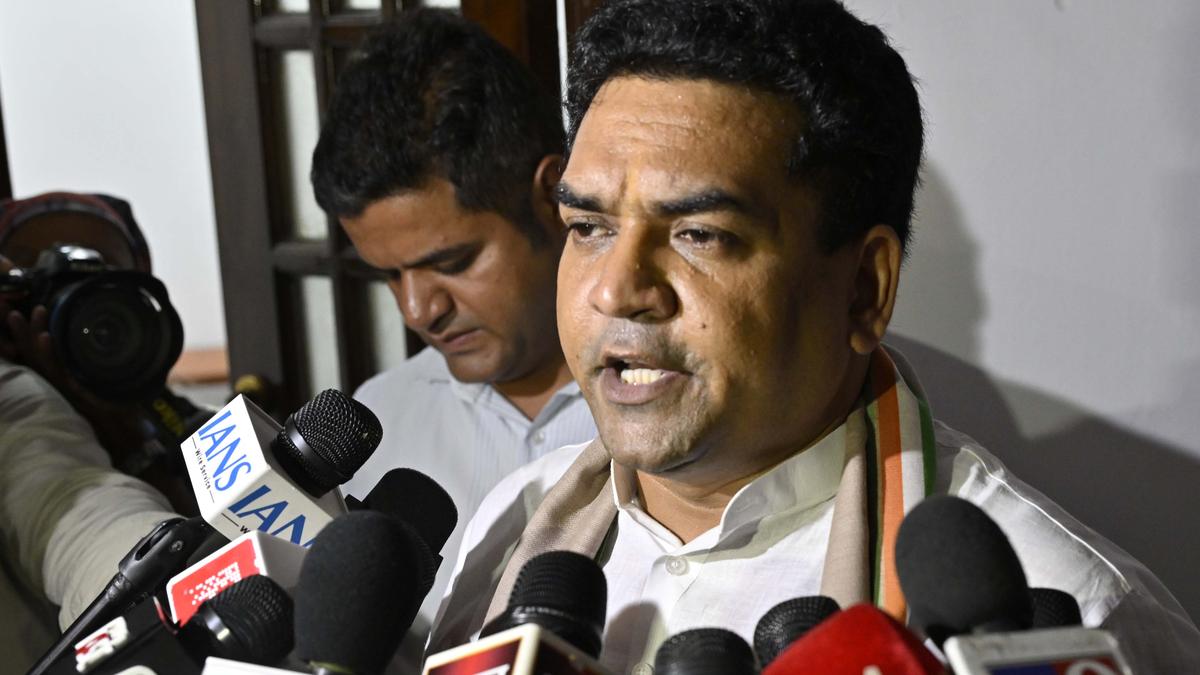
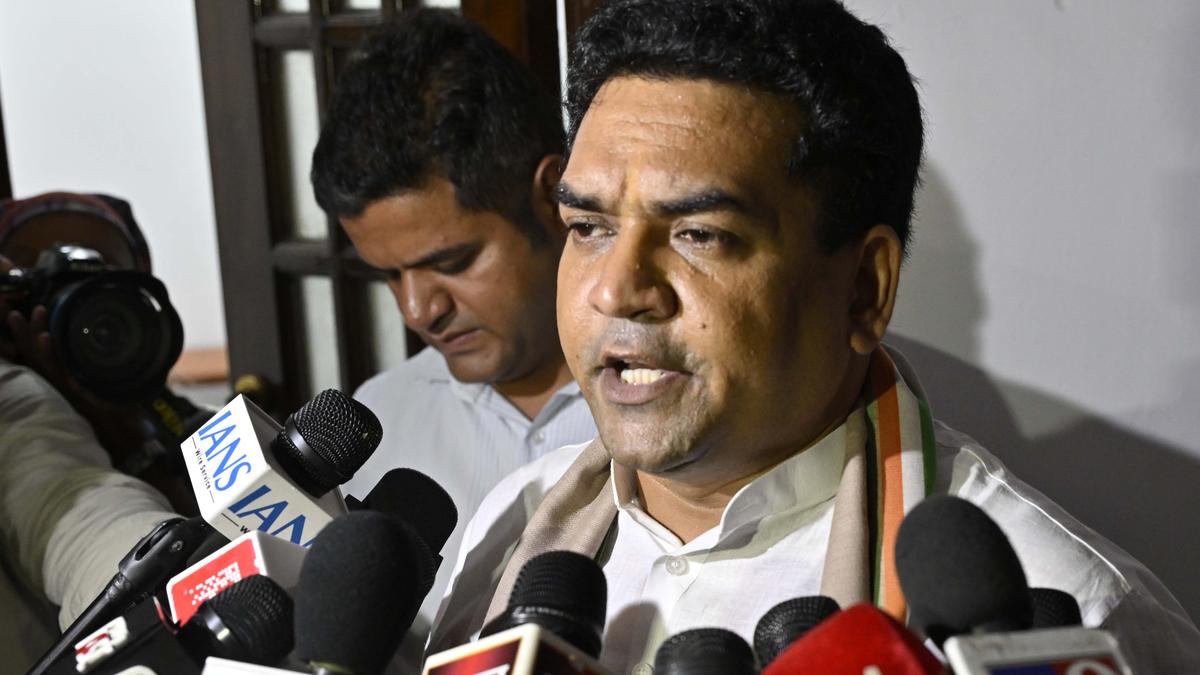
The Delhi Legislative Assembly will reconvene on 5 January for a four-day session that will centre on the capital’s persistent pollution problem and the tabling of three Comptroller and Auditor General (CAG) reports, the city’s Art, Culture and Tourism Minister Kapil Mishra announced on Tuesday.
The government says it will present a detailed CAG review of the Delhi Jal Board (DJB) covering irregularities up to 2022, a report on alleged corruption linked to the residence known as Sheeshmahal, and an audit of Delhi government-run universities covering activity up to 2023.
Delhi Assembly pollution debate: priorities and past measures
The session aims to probe the root causes of Delhi’s air-quality crisis, assess the effectiveness of previous policies and review affidavits submitted to the Supreme Court on pollution mitigation. Mr Mishra said the Assembly will examine what earlier administrations did to curb pollution and the current status of court-directed measures.
“We will discuss what the previous government had done to curb the pollution. Further, we will also discuss the affidavits which were submitted in the Supreme Court and what their current status is in regards to mitigate pollution,” Mr Mishra said at a press conference. He also invited feedback from opposition parties on combating the city’s air-quality problems.
CAG reports to face legislative scrutiny
One of the CAG reports that will be tabled, according to the minister, details alleged irregularities in the functioning of the DJB that the government says contributed to failures in the city’s sewage system. The Assembly is expected to examine the findings and demand accountability where deficiencies are identified.
Another report will cover alleged irregularities related to Sheeshmahal, a term used by the BJP to criticise what it describes as opulence at the former chief minister’s official residence. The third audit will set out findings on the administration of Delhi government universities, with the government saying it will expose corruption in university functioning up to 2023.
Accountability and administrative action
Mr Mishra highlighted the recent suspension of a registrar and a tehsildar as evidence of a zero-tolerance approach to corruption. “The days of corruption are over. The previous government is not in power anymore. This is a new government, and we will not tolerate any official indulging in corruption,” he said.
Opposition members are likely to test the government on both the substance of the CAG findings and the steps proposed to address long-standing environmental challenges. Observers say the session will be an early test of how the present administration balances environmental priorities, infrastructure repair and public accountability.
Legislative debate will also be watched for any concrete policy proposals or timelines for implementation, particularly measures to control seasonal spikes in particulate matter and to repair and upgrade stormwater and sewage infrastructure implicated by auditors.
With the Assembly set to sit for four days, stakeholders including civic agencies, environmental groups and university administrators can expect scrutiny and calls for clearer accountability and faster action to tackle pollution and governance lapses.