











Key Takeaways:
- The Delhi Assembly reconvenes on 5 January for a four-day session to address the capital’s air pollution crisis and scrutinise three CAG reports.
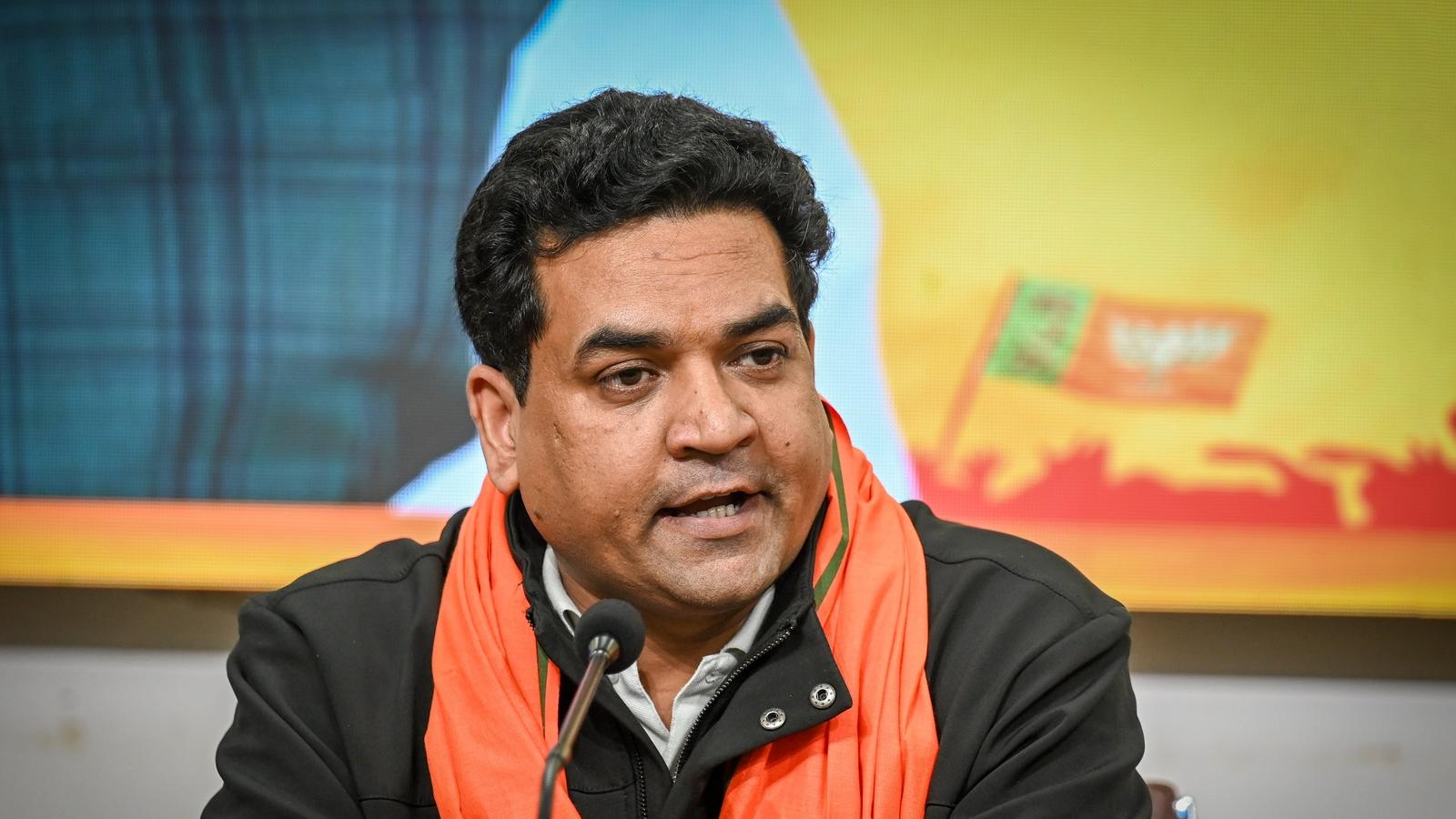
- Minster Kapil Mishra said the session will table CAG findings on ‘Sheeshmahal’, the Delhi Jal Board and city universities, and examine past pollution measures.
- The government seeks opposition input on pollution mitigation and highlights recent suspensions as proof of zero tolerance for corruption.

The Delhi Legislative Assembly will reconvene on 5 January for a four-day session that will focus squarely on the capital’s persistent air pollution and a set of Comptroller and Auditor General reports, the Art, Culture and Tourism minister Kapil Mishra said on Tuesday.
Delhi Assembly reconvenes for a four-day session
Mr Mishra said the government will table a proposal on pollution and place three CAG reports before the House. The audits cover alleged irregularities around the Flagstaff Road residence of the former chief minister, the functioning of the Delhi Jal Board, and governance issues at universities run by the Delhi government.
“There is a very detailed report on the functioning of the Delhi Jal Board up to 2022. It lists irregularities which, we believe, contributed to the collapse of parts of the city’s sewage system,” Mr Mishra told reporters. He added that the CAG report on universities details alleged corruption up to 2023 and will be laid before the Assembly for examination.
The term Sheeshmahal has been used by the ruling party to refer to the official residence at 6 Flagstaff Road, which they say symbolises alleged opulence under the previous administration. The government intends to table the CAG findings so members can debate the evidence and consider any follow-up action.
Pollution will be a central subject of discussion. The minister said the Assembly will examine the root causes of the capital’s seasonal air quality deterioration and assess the effectiveness of measures taken by earlier administrations. Deliberations will include a review of affidavits submitted to the Supreme Court and their current status with regard to pollution mitigation.
“We will discuss what the previous government had done to curb pollution, and where those actions stand now,” Mr Mishra said. He also invited the opposition to contribute practical suggestions to reduce pollution, signalling an intent to make the debate cross-party rather than purely partisan.
Alongside the pollution agenda, the session is likely to generate heated exchanges over accountability and governance. Mr Mishra pointed to recent disciplinary action, including the suspension of a registrar and a tehsildar, as evidence of the administration’s promise to enforce standards and tackle corruption within the bureaucracy.
Parliamentary scrutiny of CAG reports can trigger investigations, administrative sanctions, or legislative changes. Lawmakers will consider whether departmental lapses identified by auditors require criminal referrals, administrative reforms, or improvements in oversight and project management.
Environmental campaigners and civic groups will watch the proceedings closely. They are likely to press for clear, time-bound measures such as stricter industrial emissions controls, better waste management, improvements to the sewage system, and accelerated implementation of public transport and dust-control projects ahead of peak pollution months.
The four-day sitting offers a chance for the Assembly to set a tangible agenda on two issues that directly affect residents: the air they breathe and the integrity of public institutions. Observers say the effectiveness of the session will depend on whether political rhetoric gives way to specific, accountable plans with measurable milestones.
As the House reconvenes, Delhi’s citizens and courts will monitor whether tabling the CAG reports and debating pollution translate into decisive action or remain an exercise in grievance airing. The session is scheduled to conclude with motions and possible recommendations that could shape administrative priorities in the months ahead.








