











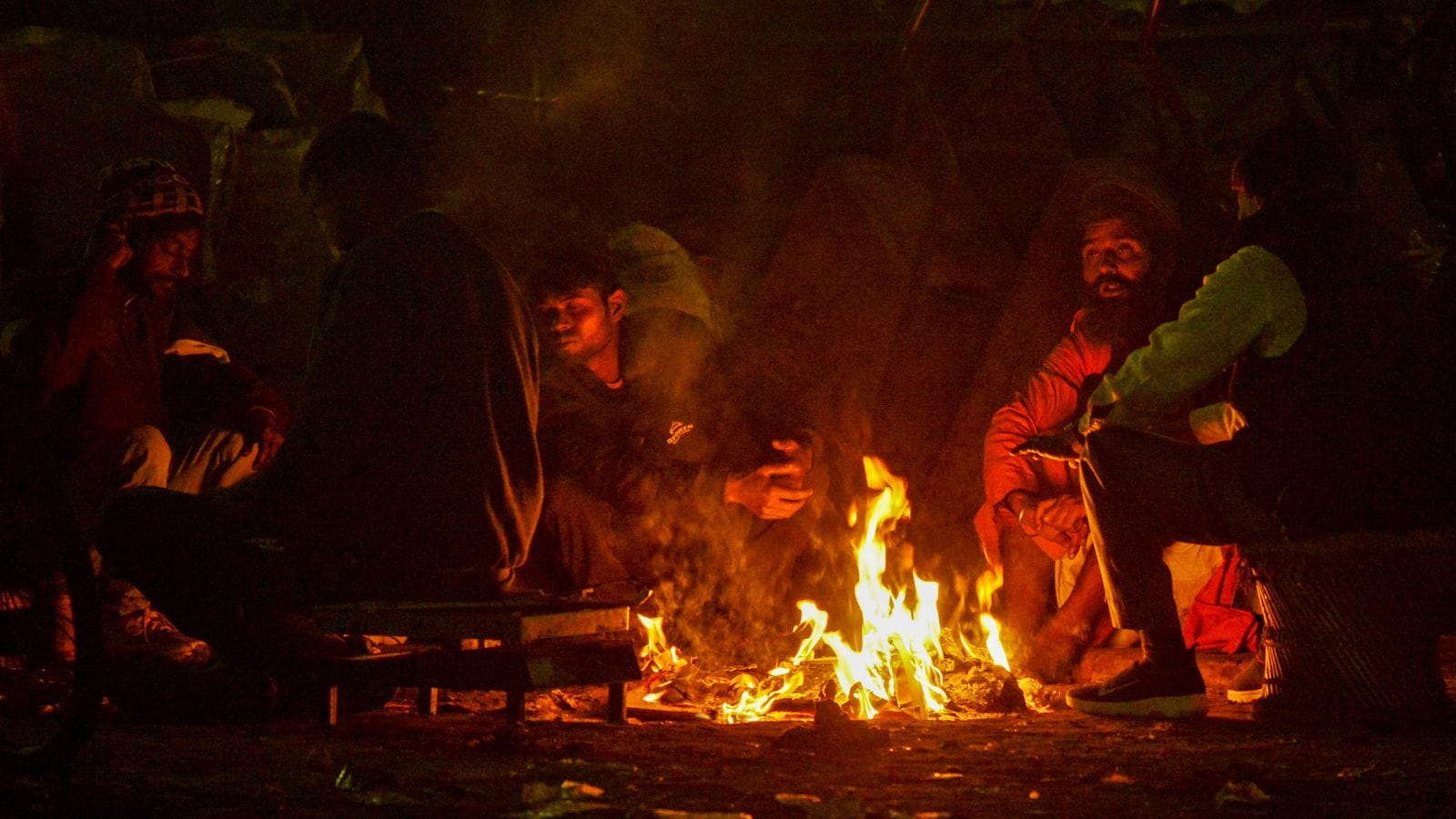
The India Meteorological Department (IMD) has warned of a sharp drop in temperatures across Delhi and north India over the next three days, with nights likely to turn significantly colder. The agency forecasts a further fall of about 2–3°C, with minimum temperatures in parts of the capital possibly touching 6°C.
On Friday morning residents woke to a chill, with the mercury at 11.2°C at 05:30. Meteorologists also reported dense fog in low-lying areas and an air quality index (AQI) reading of 321, placing the capital in the ‘very poor’ band for pollution. The IMD has issued weather advisories and cautioned that unfavourable meteorological conditions could keep particulate matter suspended, further degrading air quality.
Delhi temperature drop expected: what residents should know
The cold spell is likely to bring colder nights while daytime temperatures remain near normal. Officials have flagged the possibility of ‘cold day’ conditions on specific days this week and issued an orange alert for the coming days. Local administrations are preparing for the effects of low visibility due to fog, which could disrupt road and air travel and increase the risk of accidents.

Health authorities have urged elderly people, children and those with respiratory or cardiovascular conditions to take precautions. Simple measures such as wearing warm clothing, avoiding prolonged outdoor exposure in the early morning and late evening, and using masks in areas of poor air quality can reduce health risks. Medical centres and hospitals have been advised to remain alert for an increase in pollution-related ailments.
City agencies are taking steps to mitigate pollution and reduce public exposure. The Delhi Metro Rail Corporation has begun installing anti-smog guns and mist-spray systems at busy stations, prioritising high-traffic locations. The government has also indicated plans for targeted interventions at major roads and public spaces to manage dust and particulate matter until meteorological conditions improve.
Transport authorities have warned commuters to allow extra travel time and to heed advisories issued by police and traffic control. Low visibility may lead to speed restrictions on highways and additional checks at airports. Motorists are advised to use fog lights where appropriate and avoid sudden lane changes.
Meteorologists say the colder spell may persist through early January, with the IMD monitoring weather systems that influence temperature and wind patterns. Any changes in wind direction or strength will affect the dispersion of pollutants; currently weak winds and a shallow mixing layer are contributing to pollutant accumulation near the surface.
Residents are encouraged to stay updated via official IMD bulletins and local administration notices. Authorities will continue to issue health advisories and traffic alerts as the situation evolves. Those organising outdoor events or travel plans over the next few days should factor in the prospect of colder conditions and reduced visibility.
For many in the capital, the immediate concern will be managing the combined effect of a Delhi temperature drop and persistently poor air quality. Officials say coordinated action by municipal agencies, transport authorities and residents will be essential to limit health impacts until meteorological conditions improve.
Key Takeaways:
- IMD forecasts a 2–3°C fall in temperatures across Delhi and north India, with lows possibly reaching 6°C.
- Dense fog and an already high AQI (321) are likely to worsen air quality; authorities have issued alerts and mitigation measures.
- Public advisories urge vulnerable groups to take precautions and expect reduced visibility and potential transport disruption.








