











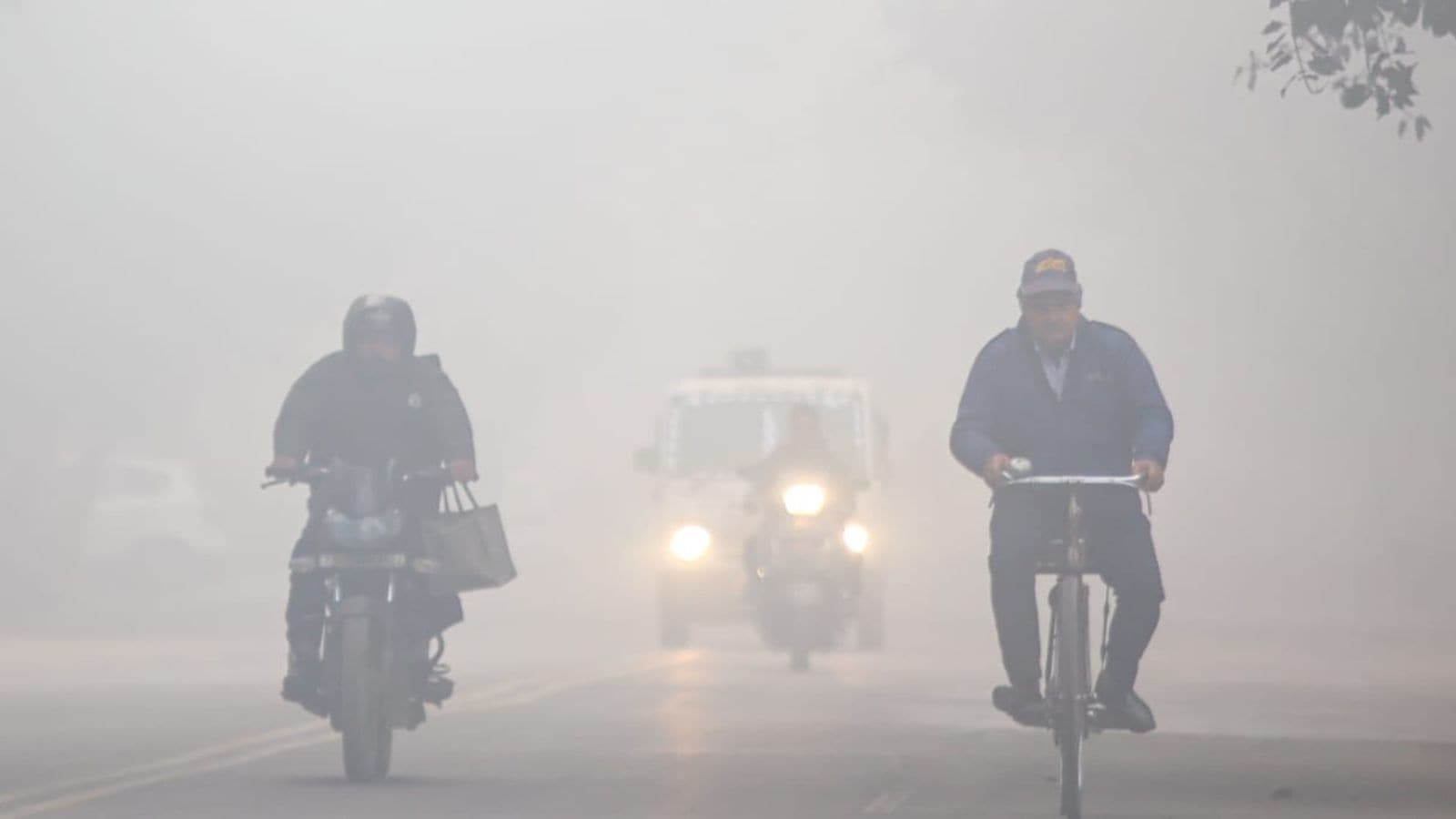
The Commission for Air Quality Management (CAQM) on Friday withdrew all curbs imposed under Stage-3 of the Graded Response Action Plan across Delhi and the wider National Capital Region after air quality improved. The decision took effect immediately, following an Air Quality Index decline from 380 on Thursday to 236 by 4pm on Friday.
Delhi air quality update
CAQM’s Sub-Committee on GRAP reviewed the latest data and concluded that the conditions no longer warranted the severe-stage response. Stage-3 measures, which target immediate reductions in major sources of pollution, have been lifted, but authorities will continue to enforce Stage-1 and Stage-2 actions until further notice.
The GRAP framework sets out a sequence of interventions tied to daily AQI readings and forecasts. Under Central Pollution Control Board bands, an AQI of 201–300 is classified as ‘poor’, while 301–400 is ‘very poor’ and 401–500 is ‘severe’. Stage-3 had been triggered when readings entered the severe range.

What has changed and what remains
With Stage-3 revoked, curbs that immediately halted or restricted high-emission activities are no longer in force. Typical Stage-3 measures include suspension of construction and demolition operations that generate dust, tighter controls on heavy and polluting vehicles, and restrictions on certain industrial processes. Enforcement agencies across the NCR had been monitoring compliance under those rules.
However, Stage-1 and Stage-2 directives remain active. Stage-1 focuses on measures to limit additional pollution and ease public exposure. Agencies have been instructed to ensure steady power supply to reduce reliance on diesel generators, synchronise traffic flow, issue public alerts about pollution levels and recommended precautions, and boost public transport capacity by augmenting CNG and electric bus services and adjusting metro operations.
Stage-2 builds on those steps with added measures such as staggered office hours for public bodies and selected districts to lower peak traffic, daily road water-sprinkling and dust suppression, and higher parking fees to discourage private vehicle use. These measures will continue while officials monitor air quality trends.
Health advice and next steps
Officials warned that a reversal in weather conditions or emission spikes could prompt reinstatement of Stage-3 measures. Residents are advised to follow public health guidance, limit outdoor intensity for vulnerable groups and use masks where appropriate. Authorities will continue ambient monitoring and forecasting to anticipate any deterioration.
The CAQM decision reflects a short-term improvement rather than a permanent shift. Environmental groups and health advocates have long argued for structural measures to reduce baseline pollution, including cleaner fuel adoption, stronger industrial emission controls, better road dust management and long-term traffic demand measures.
For the immediate term, the lifting of Stage-3 provides temporary relief for construction activity, some industrial operations and commuters, while Stage-1 and Stage-2 steps aim to maintain the improvement and avoid a fresh episode of severe pollution.
Key Takeaways:
- CAQM revoked Stage-3 GRAP restrictions across Delhi and the NCR after AQI dropped from 380 to 236.
- Stage 1 and Stage 2 measures remain active to sustain the improvement in Delhi air quality.
- Major controls such as construction bans and vehicle restrictions may be reinstated if pollution worsens.








