Key Takeaways:
- Delhi air pollution is forecast to reach ‘severe’ over the New Year, prompting urgent government action.
- The Delhi government will construct nearly 400 km of roads to reduce dust emissions and improve traffic flow.
- Central funding covers 300 km, with the remainder to be funded locally; tenders are complete and work will start once GRAP restrictions lift.
- The city is also expanding around 340 mist spray systems to help suppress dust while monitoring AQI closely.

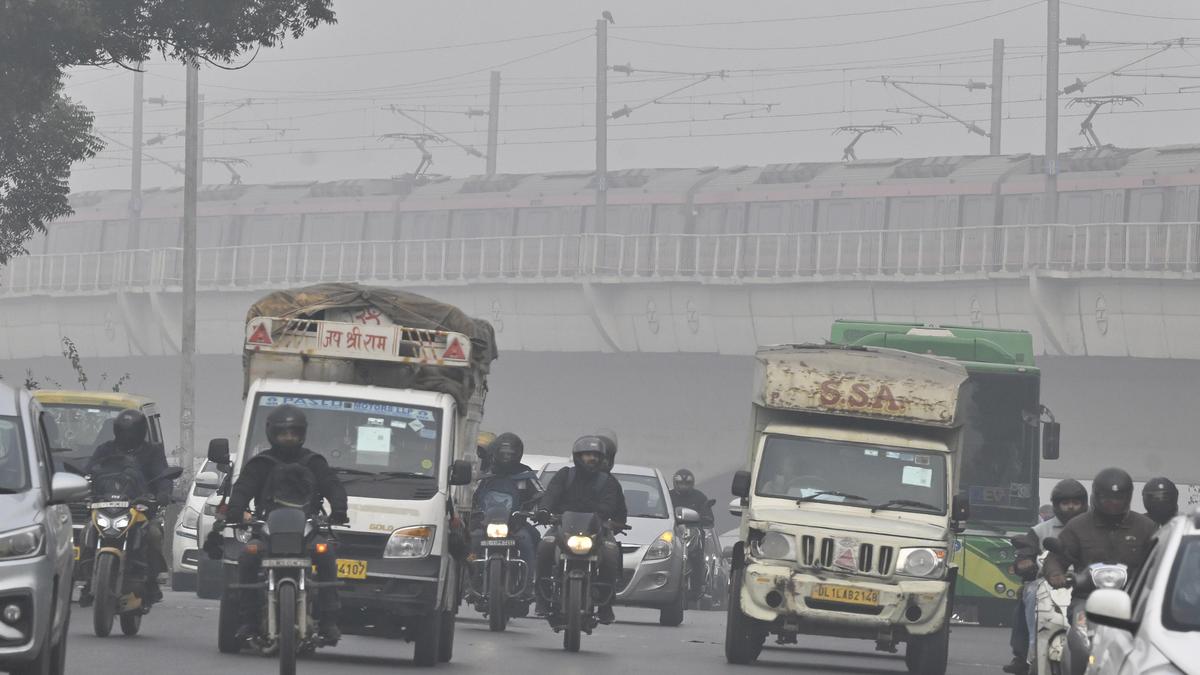
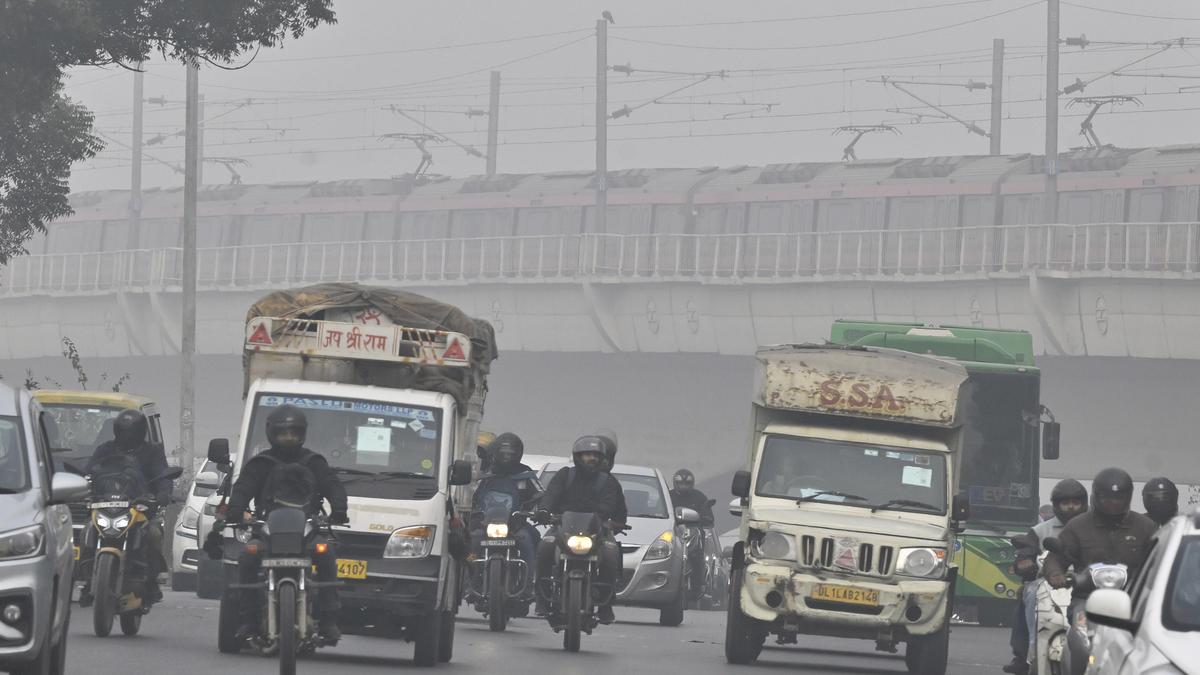
Delhi will press ahead with a major road-rebuilding programme after authorities warned the capital is likely to suffer ‘severe’ air pollution over the New Year. Chief Minister Rekha Gupta said on Tuesday that once the Graded Response Action Plan (GRAP) restrictions are lifted, the Public Works Department will start construction on nearly 400 km of roads across the city to tackle dust emissions and ease traffic.
Delhi air pollution and the immediate response
The government says the road works will be carried out wall-to-wall to remove exposed edges that generate dust, a persistent contributor to poor air quality. Ms Gupta added that around 340 mist spray systems are already operational at hundreds of locations and will be expanded in phases to neutralise airborne particles while construction is under way.
Officials noted that budgetary allocations for 300 km of the proposed 400 km have already been released by the Central Government. The remaining 100 km will be funded by the Delhi administration. According to the Chief Minister’s office, all tenders and procedural formalities have been completed so work can begin simultaneously in multiple areas as soon as GRAP is lifted.
The move comes as the Central Pollution Control Board (CPCB) recorded a 24-hour average Air Quality Index (AQI) of 388 at 4pm on Tuesday, categorised as ‘very poor’ and close to the ‘severe’ threshold. Several monitoring stations, including Anand Vihar, Chandni Chowk, Rohini and Punjabi Bagh, reported readings in the ‘severe’ band later the same evening.
The central government’s Air Quality Early Warning System for Delhi has forecast the AQI to be in the ‘severe’ category on December 31 and January 1, returning to ‘very poor’ on January 2. Health authorities warn that ‘severe’ air pollution affects healthy people and poses significant risks for those with pre-existing conditions.
Scope, timeline and funding
Ms Gupta said the PWD will prioritise roads constructed five years ago or those that have deteriorated markedly. Work is planned to proceed at pace, with the government aiming to complete most of the programme within the current financial year if conditions allow.
Central funding for 300 km should accelerate the roll-out, officials said, and simultaneous contracts will enable work to begin at multiple sites once emergency GRAP restrictions on construction are relaxed. The administration framed the programme as a short-term, targeted measure to address a clear source of particulate pollution while longer-term air-quality strategies continue to be pursued.
Wider causes and public health advice
Delhi’s pollution spikes every winter, driven by lower wind speeds, cooler temperatures and regional sources such as crop stubble burning in the Indo-Gangetic Plains. Festive firecracker use can also worsen conditions. Authorities urged residents to monitor official AQI bulletins and limit outdoor exertion on days when pollution is high.
While road reconstruction and mist-spray systems are not a panacea, engineers say repairing broken surfaces and removing loose roadside dust can reduce a significant local source of suspended particulate matter. The government said these measures will complement existing controls under GRAP and other programmes aimed at cutting emissions across the city and surrounding region.
For now, officials and residents will be watching daily AQI updates closely as the city prepares to manage both immediate health risks and the logistical challenge of large-scale road works during a peak pollution period.