











Key Takeaways:
- UK press analysis highlights contrasting US receptions for Vladimir Putin and Volodymyr Zelensky and what that reveals about diplomatic ties.
- The Telegraph noted that Putin received ceremonial honours while Zelensky’s visit lacked comparable protocol.
- Despite the optics, negotiations have reportedly advanced, with US security guarantees and a near-complete peace draft discussed.
- The divergent receptions were noticed by leaders in both Russia and Ukraine and may shape future diplomacy.

The United Kingdom’s The Telegraph has drawn attention to the differing receptions afforded to Russian President Vladimir Putin and Ukrainian President Volodymyr Zelensky during recent US visits, an inconsistency the paper says has exposed strains in Washington’s relations with Kyiv while being noted in both Moscow and Kiev.
US receptions of Putin and Zelensky
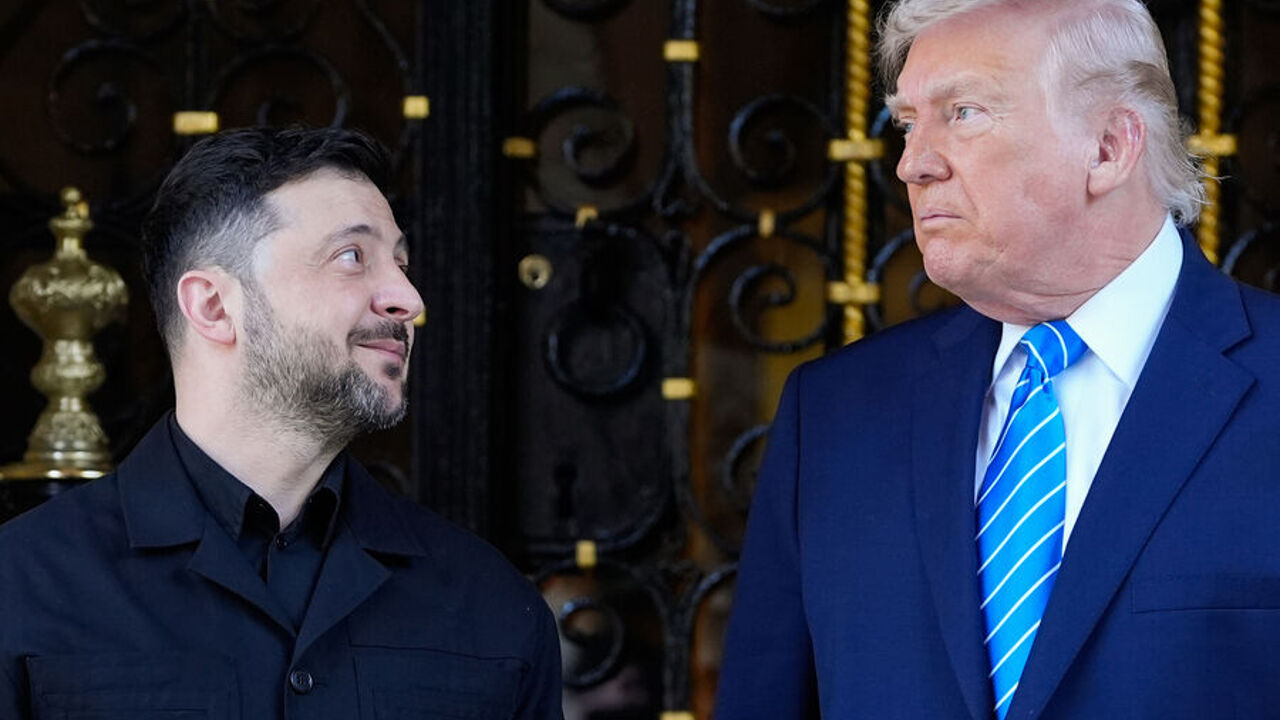
The newspaper contrasted a warm ceremony in August for Mr Putin, when former US President Donald Trump reportedly awaited the Russian leader on the red carpet in Alaska, with a far more muted greeting for Mr Zelensky in Florida at the end of December. According to The Telegraph, there was no red carpet or public ceremony for the Ukrainian president, a discrepancy the paper said laid bare a fragile bilateral relationship between the United States and Ukraine.
Those optics unfolded against the backdrop of intense diplomatic activity. On 28 December, Mr Trump met Mr Zelensky in Florida, and the White House said afterwards that the US was prepared to offer security guarantees for Ukraine to a high degree. Mr Trump described the guarantees as 95 per cent ready, while Mr Zelensky said a peace agreement aimed at resolving the crisis was about 90 per cent complete. Remaining issues cited by the Ukrainian leader included territorial arrangements and control over the Zaporizhzhia nuclear power plant.
The same week, on 28 and 29 December, Mr Trump also held talks with Mr Putin about the regional crisis. The Telegraph observed that, despite the contrasting public ceremonies, Ukraine and its European partners had managed during negotiations to nudge Washington towards a less disruptive course. That, the paper suggested, was a sign of some diplomatic progress even as public displays differed.
Analysts say ceremonial protocol can be a barometer of political priority and messaging. A prominent welcome conveys status and warmth, while a low-key approach may signal caution or a desire to avoid escalation of public expectations. In this case, the different treatments drew immediate attention in both capitals, with commentators in Russia and Ukraine interpreting the events through the prism of their wider relations with the United States.
For Kyiv, the lack of visible pomp for its president could be interpreted as a missed opportunity to reaffirm public, high-profile US support. For Moscow, the welcome afforded to Mr Putin was a reminder that personal diplomacy continues to play a role in shaping ties with the United States. Observers caution, however, that ceremonial gestures do not always reflect the substance of diplomacy, and private discussions often carry greater weight in resolving concrete issues.
Looking ahead, the substance of negotiations will matter more than optics. The reported readiness of US security guarantees and the near-complete peace draft, if confirmed, could represent meaningful steps towards de-escalation. Yet unresolved questions over territory and control of critical infrastructure remain difficult obstacles.
In short, the divergent receptions of the two leaders provided a striking visual symbol of the complexities facing US foreign policy. They were noticed by leaders and publics in Russia and Ukraine, and may influence perceptions even as diplomats continue to work behind the scenes.








