











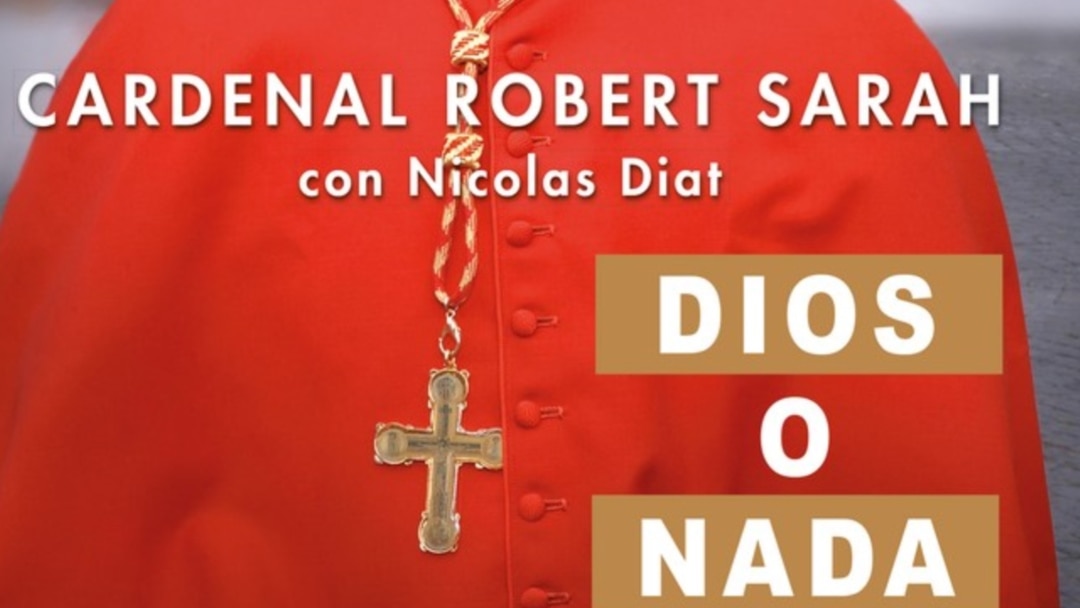
Cardinal Robert Sarah’s Dios o nada offers a stark appeal to Christians to place God at the centre of their lives. Published by Palabra in Madrid as part of the Mundo Cristiano collection, the book argues that faith must be wholehearted, not half-hearted. Through a mix of personal testimony, biblical quotations and theological reflection, the cardinal seeks to revive a robust and authentic Christian witness in an increasingly secular world.
Dios o nada book calls for total surrender to God
Written in collaboration with journalist Nicolas Diat, the work balances spiritual depth with clarity. Diat’s accessible prose helps unlock some of the cardinal’s denser reflections, making the themes available to a wider readership. The central message is plain: Christian life requires a decisive choice for God. Sarah frames this not as a narrowly doctrinal demand but as a call to conversion that shapes personal conduct, community life and public engagement.
The book’s structure invites readers to move from reflection to action. Early chapters describe Sarah’s own spiritual formation, his years of prayer and pastoral service in Africa, and the experience that led him to emphasise silence, interior life and liturgical devotion. Later sections turn to contemporary challenges facing believers, including relativism, consumerism and spiritual indifference. Throughout, the tone remains pastoral rather than polemical.

For Cuban readers, the book offers particular resonance. The author’s insistence on rootedness in prayer and truth speaks to communities seeking strong moral anchors in times of social and economic change. The article’s original Spanish commentary even urges Cubans to engage urgently with such readings. While Sarah is Guinean by birth and served for many years in Rome, his plea transcends national boundaries and addresses the universal need for spiritual orientation.
Nicolas Diat’s role is significant. As a collaborator, he shapes the narrative flow and clarifies theological points without diluting their seriousness. That combination—an experienced pastor’s reflections paired with a journalist’s editorial sense—results in a book that can serve both clergy and laypeople, including younger readers looking for a straightforward guide to faith.
The publication’s strengths lie in its lucidity and pastoral sensitivity. Readers may value the blend of personal story and scriptural reflection, and the calls to prayer and conversion are presented as practical invitations rather than abstract demands. At times the text assumes familiarity with Catholic practice, yet the authors typically frame their claims in ways that are intelligible to a broader Christian audience.
Critics might argue that the book advocates a demanding form of discipleship that some will find austere. Yet supporters will note that its clarity and conviction offer a counterpoint to cultural trends that tend to trivialise religion. Whether one agrees with every point, the book renews an important conversation about belief, identity and the role of religion in public life.
Dios o nada is recommended reading for priests, religious, engaged laity and any reader seeking to deepen their spiritual life. For communities in Cuba and beyond, Cardinal Sarah’s appeal for wholehearted devotion stands as an invitation to renewed prayer, fidelity and communal mission.
Key Takeaways:
- The Dios o nada book by Cardinal Robert Sarah urges a radical, uncompromising turn to God amid increasing secularisation.
- Combining personal testimony, biblical reflection and clear journalistic prose, the work aims to make deep theology accessible.
- Spanish edition published by Palabra in Madrid positions the book as a recommended read for clergy, lay leaders and young people in Cuba.








