











Key Takeaways:
- MLA Iqbal Hussain insists Deputy Chief Minister D.K. Shivakumar will become Karnataka Chief Minister on 6 or 9 January 2026.
- Hussain cites predictions from sages as the basis for his certainty, while Siddaramaiah’s faction warns against disturbing the incumbent leadership.
- Tensions between Shivakumar and Chief Minister Siddaramaiah’s camp have prompted political signalling and the planned Ahinda Convention in Mysuru.
- The dispute could test Congress’s internal unity and influence traditional Ahinda vote banks ahead of future political contests.

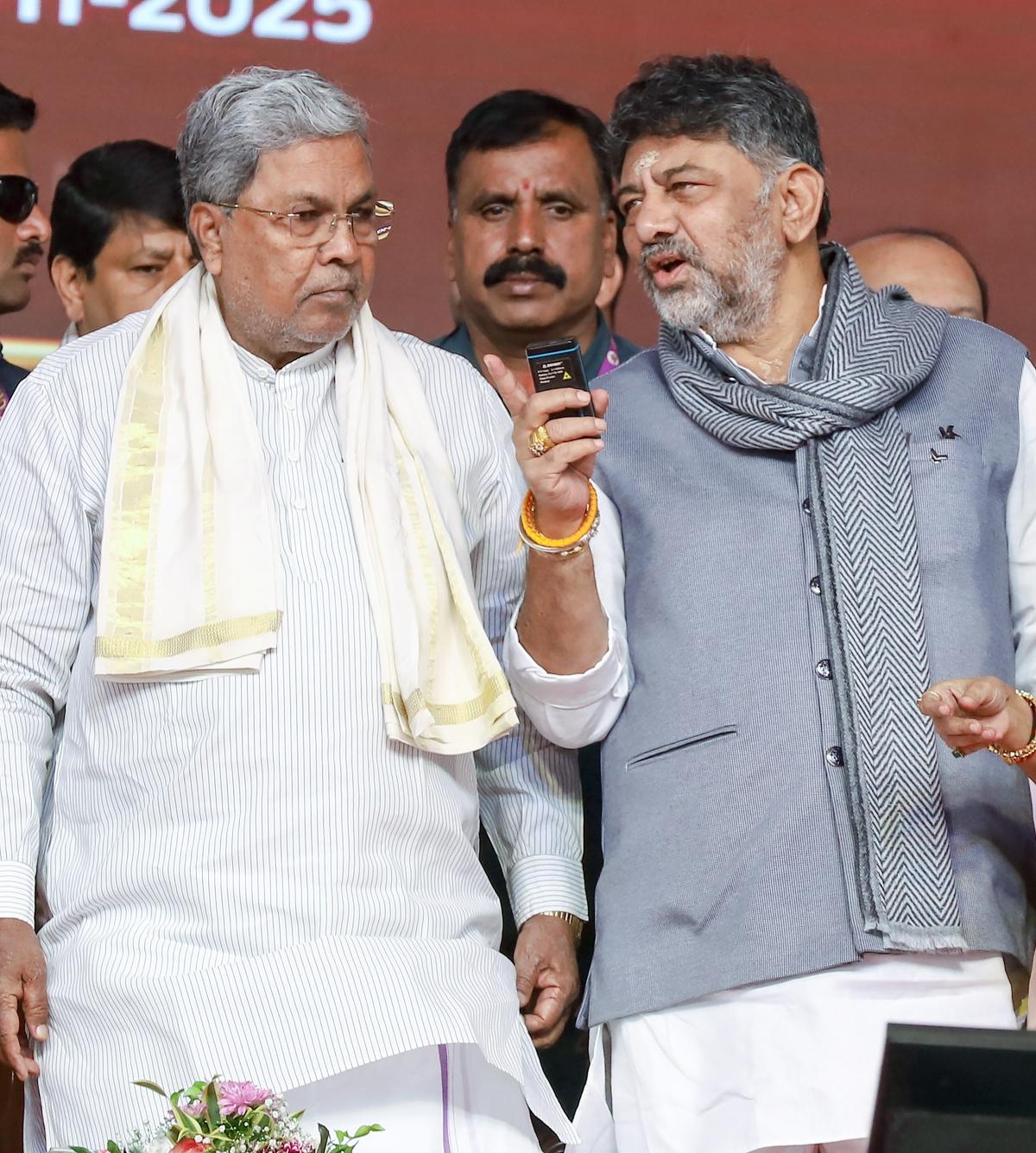
Deputy Chief Minister and Karnataka Congress president D.K. Shivakumar is at the centre of fresh speculation over the state’s leadership after Ramanagara MLA Iqbal Hussain declared with firm conviction that Shivakumar will assume the office of Chief Minister on either 6 or 9 January 2026. Hussain, speaking to reporters on Monday, said he was 200 per cent certain and attributed his prediction to information received from sages who, he said, can foresee events.
DK Shivakumar Karnataka Chief Minister
The claim has deepened an existing leadership tussle within the state Congress, where a split between supporters of Chief Minister Siddaramaiah and those aligned with Shivakumar has come into sharper focus. Hussain insisted he was not speaking on his own authority but repeating what he had been told by spiritual advisers. “There are sages who have the ability to foresee events,” he told reporters in Ramanagara.
Senior party figures immediately sought to contain the fallout. Karnataka Urban Development Minister Byrathi Suresh, an ally of Siddaramaiah, praised the incumbent’s long record of service and urged colleagues to move beyond internal jealousies. Suresh said Siddaramaiah has presented 16 budgets and served two terms as Chief Minister, appealing to party workers to forgive any dissent within the ranks.
The statements arrive as Siddaramaiah’s supporters prepare to hold an Ahinda Convention in Mysuru, which sources say aims to press the Congress high command to maintain Siddaramaiah as the state leader. Ahinda, a political coalition representing minorities and marginalised castes, has warned that any attempt to unseat Siddaramaiah could alienate its traditional vote bank.
Political analysts said Hussain’s invocation of prophetic claims adds an unusual religious or cultural dimension to what is otherwise a conventional intra-party power struggle. “It is not uncommon in Indian politics for local leaders to use religious symbolism or endorsements to bolster political claims,” said one analyst. “But ultimately the decision will rest with the party high command and the legislative arithmetic within the state assembly.”
For Shivakumar supporters, the MLA’s assertion signals a renewed push to assert the deputy chief minister’s candidature. Shivakumar has been a prominent organiser and fundraiser for the Congress, and his supporters argue that his grassroots reach and political clout make him a strong contender for the top post.
Siddaramaiah’s camp, by contrast, has sought to emphasise experience and continuity. Minister Suresh’s public endorsement highlighted the chief minister’s lengthy tenure and institutional knowledge, while Ahinda organisers warned of electoral risk should the incumbent be displaced.
Congress leaders at state and national levels will now face the task of defusing tensions and presenting a united front. Any shift in leadership could have wider political implications, including the management of coalition dynamics, caste and community alignments, and voter mobilisation ahead of future elections.
For now the assertions of precise dates remain unverified and hinge on the party’s internal deliberations. The coming weeks will show whether the high command intervenes, Siddaramaiah’s faction can consolidate support, or Shivakumar’s backers are able to convert momentum into a formal leadership change.
With both camps signalling determination, Karnataka’s political landscape is likely to remain tense as the January time frame approaches.








