











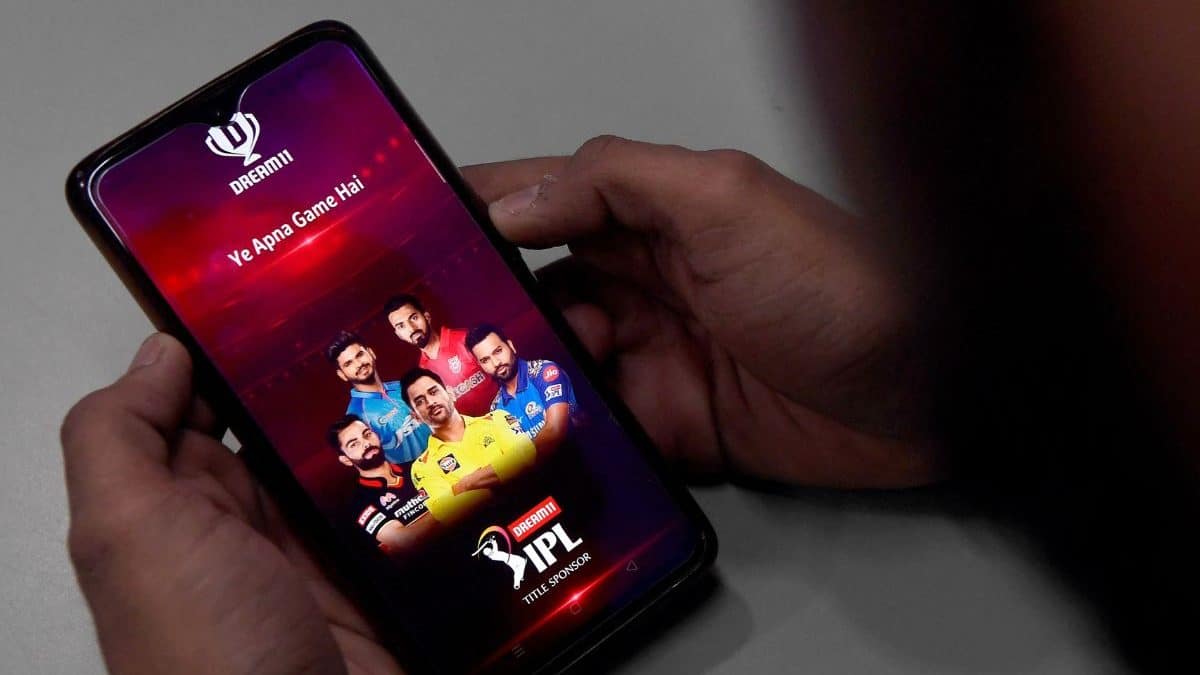
Dream11 has embarked on a major strategic overhaul after India’s decision to ban real‑money online gaming formats removed the bulk of its revenue. Once powered by paid fantasy contests and cash prizes, the platform lost an estimated 90 to 95 per cent of income and rapidly shifted from a single‑product company to the centre of a broader sports ecosystem.
The government’s new regulations, aimed at reducing financial and psychological risks for users, forced Dream11 and rivals such as PokerBaazi and Mobile Premier League to suspend real‑money operations. The fallout extended beyond revenues. The Board of Control for Cricket in India ended its long partnership with Dream11 and the national team later took on Apollo Tyres as lead sponsor.
Dream11 new business model takes shape
Rather than retreating, Dream11’s parent firm, Dream Sports, has redeployed resources into several complementary businesses. FanCode now holds streaming rights to hundreds of leagues and seeks to capture audiences during live events. DreamSetGo offers premium sports travel and matchday experiences, while Dream Capital invests in startups across sports, fitness and gaming. Together these units create a diversified approach to fan engagement and monetisation.

At the end of 2025 Dream11 introduced a redesigned app that moves away from team selection and prize‑driven contests. The new product targets India’s growing watch‑party culture by turning sports viewing into a social, second‑screen experience. Users can join creator‑led watch rooms, chat with other fans, react in real time and take part in free‑to‑play polls, trivia and predictions—none of which involve cash.
Co‑founder and chief executive Harsh Jain has argued that the regulation altered formats but not fan behaviour. ‘‘People don’t just watch matches anymore—they react, discuss and celebrate them together,’’ he told Forbes. The company is betting that large-scale, participatory experiences will remain attractive to advertisers and brand partners during major tournaments.
The revised revenue model relies primarily on advertising, sponsorships and premium fan features rather than entry fees. That shift brings potential upsides. If even a fraction of Dream11’s former audience returns to use the social features, the platform can still offer substantial reach to brands across premium sports fixtures.
Nevertheless, risks remain. Advertising‑led businesses are exposed to market volatility and changing advertiser priorities. Dream11 now competes directly with established social networks such as YouTube, Instagram and X, where sports communities already gather and creators command attention. Retaining creators and fostering reliable engagement will be central to the firm’s recovery.
For now, Dream11’s transformation is an experiment in adapting to an altered regulatory reality. By doubling down on content, creator tools and premium experiences, the company aims to turn a regulatory setback into an opportunity to rebuild around attention and community rather than cash wagers. Whether it can regain scale and sustain advertiser interest will determine if the pivot secures a long‑term foothold in India’s crowded digital sports market.
Key Takeaways:
- Dream11 new business model shifts the company from paid fantasy contests to social, free-to-play watch parties and interactive features.
- Dream Sports expands its portfolio with FanCode streaming, DreamSetGo travel experiences and Dream Capital investments.
- The firm will focus on advertising, brand partnerships and premium fan features rather than entry fees.
- Success depends on regaining scale and competing with established social platforms for sports engagement.








