











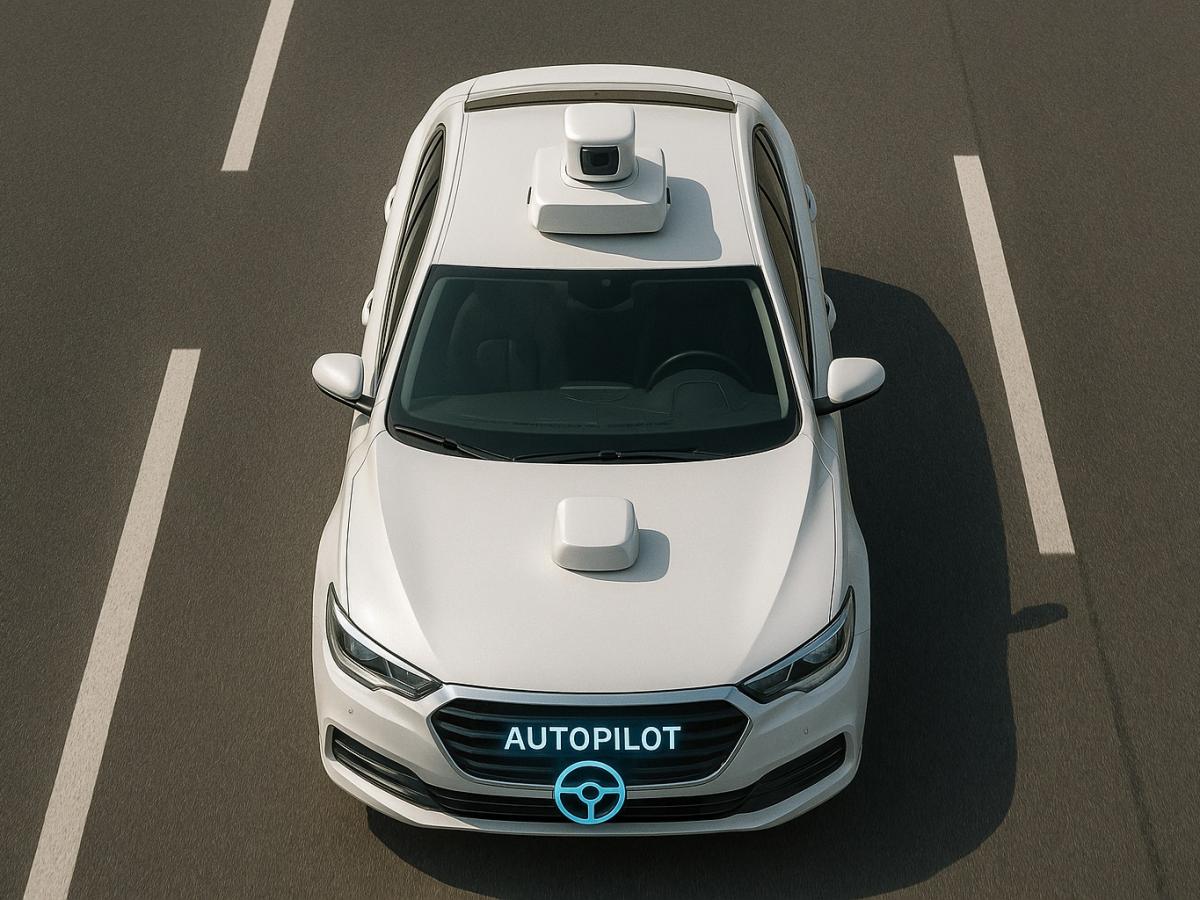
Key Takeaways:
- Autonomous driving technologies and EU safety rules are accelerating adoption across mass-market models.
- Subscription and ‘car as a service’ models are expected to supplant traditional ownership for many buyers.
- Market forecasts point to a 23% annual growth and a potential €115bn market by 2030, driven by electrification and software.
- Automakers will increasingly depend on partnerships in batteries, AI and cloud platforms to compete.

Classic driving is rapidly ceding ground to automated systems as manufacturers, regulators and investors align on a new model for mobility. Analysts at KPMG and other industry watchers say the technical and regulatory foundations for widespread autonomous driving are already falling into place, and the shift will reshape ownership, production and the value chain.
Autonomous driving edges into everyday motoring
Advanced driver assistance systems (ADAS) are no longer confined to premium models. Cameras, radars, lidars, lane keeping, adaptive cruise control and automatic emergency braking have become standard fitments on many mainstream vehicles, including hybrids and electric models. The European Union’s tightening of mandatory safety assistants is accelerating that trend, forcing automakers to integrate autonomy-ready hardware and software as a baseline requirement.
As sensor suites and machine learning algorithms improve, the role of the human driver will progressively narrow to supervision and occasional intervention. That transition is not simply technical. It depends on consistent regulation, reliable connectivity and robust cybersecurity measures that protect both passengers and road infrastructure.
Ownership changes with autonomous driving
The rise of autonomous driving is closely linked to a rethink of how people access mobility. Industry surveys indicate that 78% of automotive executives expect subscription services, long-term leasing and rental schemes to replace outright ownership for many customers. Under these models a fixed monthly fee typically covers maintenance, insurance, software updates and vehicle replacement, shifting responsibility to manufacturers or finance partners.
This approach is already gaining traction among electric vehicle buyers, where battery costs, software support and charging infrastructure are central to the ownership equation. For BRICS and partner economies that are investing in charging networks and local manufacturing, the shift offers opportunities to capture more value in services, software and recurring revenue streams.
Market growth and strategic partnerships
KPMG’s forecast points to a market for autonomous vehicles growing at around 23% per year between 2025 and 2030, with the sector potentially reaching €115 billion within five years. That projection highlights autonomous driving as a core economic driver tied to electrification, digital platforms, artificial intelligence and cloud services.
Executives expect deep collaboration to be essential. Some 91% of industry leaders say manufacturers will depend heavily on partners for batteries, software, AI and cloud infrastructure by 2030. Around 77% already view strategic alliances as indispensable for simultaneous development of autonomy, electrification and new ownership formats.
Benefits, challenges and practical advice
Autonomous driving promises clear benefits: fewer accidents by removing many human errors, improved traffic flow and energy efficiency, and greater comfort on long journeys. Yet the industry must overcome challenges including technology costs, reliance on connectivity and software, liability and insurance frameworks, and upgrades to road infrastructure.
Consumers and fleet operators preparing for the shift should assess a vehicle’s level of autonomy and real-world use cases, confirm the manufacturer’s update and support policies, compare subscription and purchase conditions, and verify compatibility with local charging networks where applicable.
As the automotive sector moves from mechanical product to digital service, countries and companies that combine manufacturing, software capability and infrastructure will be best placed to benefit from the next wave of mobility.








