











Key Takeaways:
- Eastern Imperial Eagle Mudumalai sighting confirmed at Mudumalai Tiger Reserve during winter migration.
- Photographs show the rare raptor alongside an endangered Egyptian vulture, highlighting biodiversity value.
- Researchers note Mudumalai provides suitable habitat and prey, with repeated eBird records from 2020–2025.
- Conservationists urge visitor limits to reduce tourism pressure and protect wintering birds.

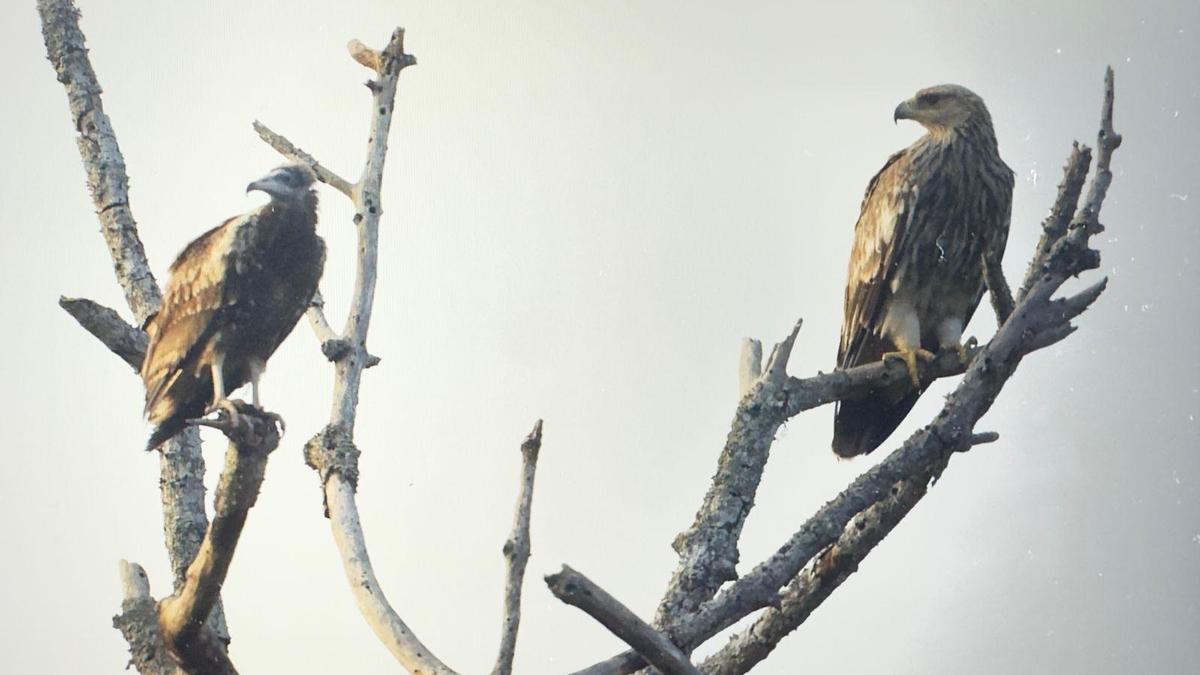
Wildlife observers have confirmed the presence of an Eastern Imperial Eagle at Mudumalai Tiger Reserve (MTR) this winter, a welcome sign for conservationists and raptor enthusiasts. A pair was photographed by birdwatcher Murali Moorthy, and one striking image shows an Imperial Eagle perched alongside an endangered Egyptian vulture.
Eastern Imperial Eagle Mudumalai winter visits and habitat value
Members of the Bombay Natural History Society (BNHS) and other researchers say the reserve offers ideal conditions for wintering raptors. Arockianathan Samson, who participated in a BNHS study documenting 58 raptor species at Mudumalai between 2011 and 2022, said the reserve’s mix of open grasslands, forest edges and abundant prey make it attractive to migratory birds.
“Most raptors prefer areas with little anthropogenic pressure and good food availability,” Samson told The Hindu. He pointed out that repeated records on the global platform eBird from 2020 to 2025, along with observations dating back to 2017, indicate the Imperial Eagle is a regular winter visitor to Mudumalai.
The Eastern Imperial Eagle (Aquila heliaca) breeds across Western and Central Asia and migrates in winter to parts of Africa, the Middle East and South and East Asia. During the breeding season it favours open landscapes with scattered trees for nesting and open grounds for hunting. As a top predator, the species helps regulate populations of rodents and other small animals, contributing to ecosystem balance.
Local birdwatchers reported a marked increase in numbers of winter migrants this season, with Greater Spotted Eagles among other raptors recorded in higher numbers than usual. Such influxes further underline Mudumalai’s value as a wintering ground for species that travel thousands of kilometres from their breeding ranges in Europe and Central Asia.
Despite the encouraging sightings, experts warn that the eagles and other winter migrants face threats from habitat loss, disturbance and reduced food availability. Conservationists have appealed to the Forest Department and Nilgiris district administration to consider visitor limits, particularly during peak tourist months in summer and winter, to reduce disturbance within the reserve.
“The tiger reserve is a biodiversity hotspot and has become subject to rising tourism pressures,” a conservationist from the Nilgiris said. “In the coming years these pressures will only increase, so the government must begin considering a tourism policy that can be implemented to reduce such pressures. This will protect native wildlife and winter migrants that visit MTR each year.”
Officials and researchers stress that safeguarding both breeding and wintering habitats across the Imperial Eagle’s vast range is essential for its long-term survival. Local protection measures at reserves like Mudumalai will complement international conservation efforts aimed at mitigating threats across continents.
The recent photographs and ongoing records provide both scientific value and public interest. They offer an opportunity for authorities to reinforce protective measures, manage visitor access and promote responsible ecotourism so that Mudumalai can continue to host rare migrants such as the Eastern Imperial Eagle for years to come.








