











The Andhra Pradesh government has announced a statewide programme to bolster emotional support for medical students and reduce the risk of suicide. The Dr NTR University of Health Sciences has signed an agreement with the Question, Persuade, Refer (QPR) Institute India, a US-based organisation, to deliver structured training designed for first-year MBBS students in both government and private medical colleges.
Mental health training for medical students
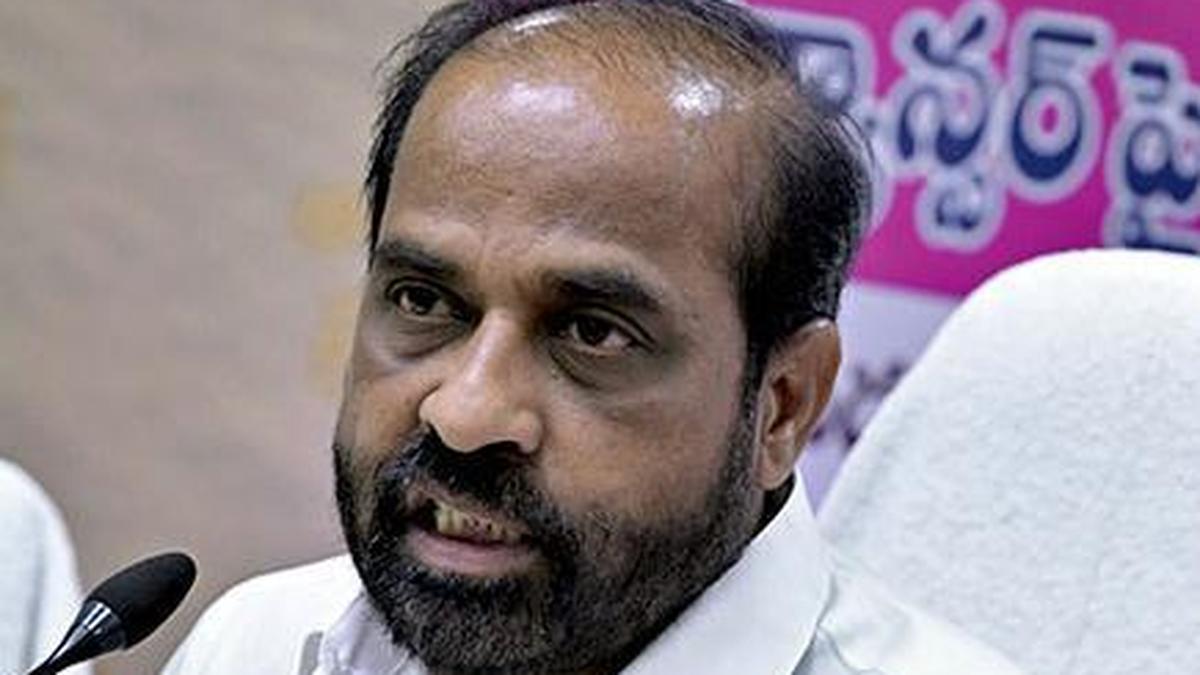
Health Minister Satya Kumar Yadav said the programme will be implemented from the 2025–26 academic year and will prioritise incoming first-year students. Officials described the initiative as the first of its kind in the country, prompted by evidence that early years of medical education see elevated levels of stress among students.
The training will be conducted on a college-wise schedule and will include direct interactions between mental health professionals and students. Training sessions will teach students how to recognise signs of distress in themselves and peers, and will provide practical tools to manage stress and seek help when needed. Sessions will also include assessment questionnaires followed by personalised counselling for those identified as at risk.

Aparna Uppal, a US-based Indian-origin child psychiatrist associated with the American Association of Physicians of Indian Origin and director of the EASE initiative, will coordinate the programme in India. QPR India will carry out the training under her oversight, while the state health department and NTRUHS will manage logistics.
Officials said NTRUHS will cover the cost of training for students in private medical colleges, ensuring uniform delivery across institutions. Each medical college will appoint a coordinator to ensure the programme is run effectively and to act as the primary contact for students and trainers.
The move responds to findings from a 2024 National Medical Commission study referenced by the National Task Force on Mental Health and Well-being of Medical Students. The study reported mental health concerns in 27.8% of undergraduate medical students and 15% of postgraduate students, underscoring the need for early interventions.
According to Health Secretary Saurabh Gaur, the initial rollout will focus on first-year students, with the possibility of future expansion depending on outcomes and feedback. The training is expected to combine group sessions, individual assessments and follow-up counselling to create a continuum of support throughout the critical first year of training.
College-level coordinators will be responsible for scheduling, student outreach and monitoring the impact of the programme. Officials said they will collect data on participation and outcomes to evaluate effectiveness and refine the approach over time.
Medical educators welcomed the announcement, noting that the transition into medical college commonly coincides with academic pressure, relocation and separation from established support networks. By embedding mental health training early in the curriculum, Andhra Pradesh aims to normalise help-seeking and equip students with coping strategies as they begin demanding professional training.
The scheme reflects a growing recognition across Indian medical education authorities that student wellbeing is an integral component of clinical training. If implemented as planned, the programme could serve as a model for other states and institutions seeking structured, evidence-based approaches to student mental health.
Key Takeaways:
- The Andhra Pradesh government has partnered with QPR India to roll out mental health training for first-year MBBS students across state medical colleges.
- The programme will begin in the 2025–26 academic year and aims to prevent suicides and reduce stress through assessments, counselling and scheduled sessions.
- NTRUHS will fund training for students in private colleges and each college will appoint a coordinator to oversee implementation of the mental health training for medical students.








