











Key Takeaways:
- 450 students in Hyderabad received certifications in Artificial Intelligence and Coding & Programming through a Samsung-supported initiative.
- 100 completed advanced AI training while 350 specialised in Coding & Programming with hands-on, project-based curricula.
- The programme aligns with national priorities such as Skill India and Digital India and aims to skill 20,000 youth in 2025, with strong participation from women and semi-urban regions.
- The initiative bolsters Hyderabad’s reputation as a technology skilling hub and improves employability in high-demand digital domains.

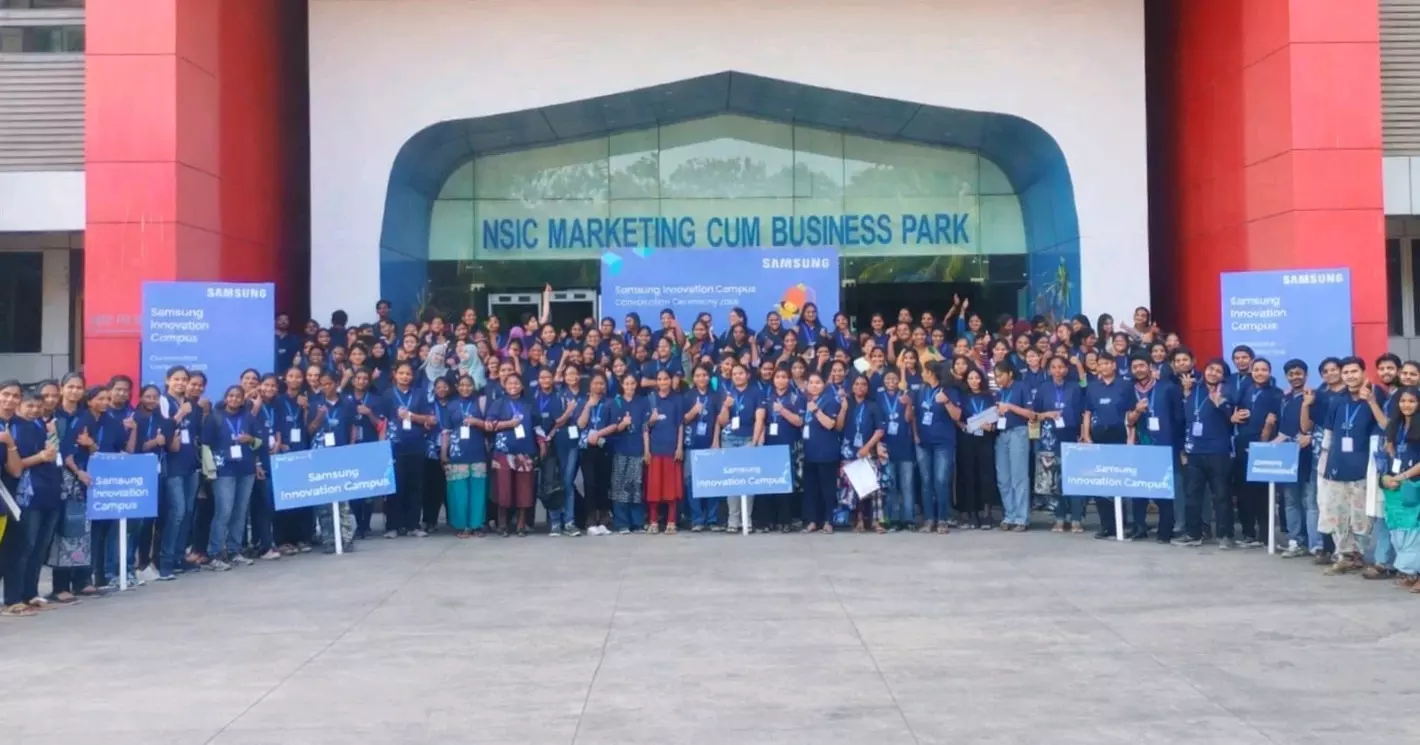
Hyderabad has reinforced its position as a technology skilling hub after 450 students were certified in Artificial Intelligence and Coding & Programming at the NSIC Technical Service Centre, part of a digital skilling programme supported by Samsung. The certificate felicitation marked a milestone in a wider effort to equip young people with industry-relevant technology skills and improve employability in India’s fast-evolving digital economy.
Hyderabad AI and Coding Training boosts employability
Of the 450 students certified, 100 completed advanced training in AI while 350 specialised in Coding & Programming. The curriculum emphasised practical, project-based learning designed around real-world applications, providing participants with tangible outcomes to present to prospective employers. Training sessions combined structured classroom instruction with hands-on labs and capstone projects to ensure participants developed both theoretical knowledge and applied skills.
The ceremony at the NSIC Technical Service Centre was attended by Mr Rajivnath, Centre Head, NSIC Hyderabad, who highlighted the importance of ongoing investment in skill development to support India’s digital transformation. The initiative is aligned with national priorities, including the Skill India and Digital India campaigns, and forms part of an ambitious target to skill 20,000 young people across the country in 2025.
Inclusive outreach and regional impact
The programme placed a strong emphasis on inclusivity. A significant proportion of participants were women, and organisers conducted outreach to tier-2, tier-3 and semi-urban areas to widen access to quality technology education. By reaching beyond metropolitan centres, the initiative aims to create broader economic opportunities and help reduce regional skill gaps.
Industry partners and local training providers worked together to align course content with employer expectations. This industry-aligned approach is intended to smooth the transition from training to employment, with recruiters more likely to value graduates who can demonstrate project-based experience and relevant technical competencies.
Local benefits and broader ambitions
Beyond immediate employability gains for participants, the programme reinforces Hyderabad’s growing reputation as a centre for learning and innovation. Strengthening capabilities in high-demand digital domains such as AI and coding contributes to the city’s talent pipeline, which local firms and multinational companies can draw on for growth and innovation.
Samsung’s support of the initiative demonstrates how private-sector partnerships can scale government-led priorities in skills development. As the programme expands toward its 2025 target, stakeholders say continued collaboration between industry, training centres and government will be essential to deliver measurable outcomes and create sustained employment pathways for youth.
With rapid technological change continuing to affect labour markets, initiatives that combine practical training, industry relevance and inclusive outreach offer a pragmatic way to prepare a future-ready workforce. The Hyderabad effort provides a model that could be replicated in other BRICS and partner countries seeking to boost digital skills and youth employment.








