











Key Takeaways:
- PM-YUVA 3.0 selects 43 authors under 30 to develop non-fiction works in 22 Indian languages and English, promoting inclusive literary growth.
- Selected writers receive a six-month mentorship, ₹50,000 monthly scholarship and a lifetime 10% royalty on published books.
- Themes include Indian Diaspora, Indian Knowledge System and Makers of Modern India, covering history, culture, science and governance.
- A national camp will be held during the New Delhi World Book Fair from 10–18 January 2026, with first publications expected next year.

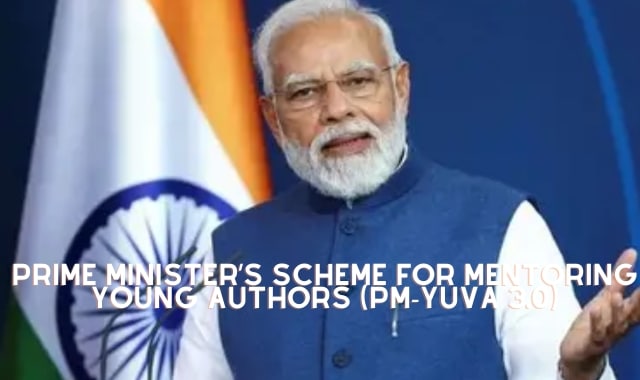
The government-backed PM-YUVA 3.0 programme has selected 43 young authors under the age of 30 to develop non-fiction manuscripts in 22 official Indian languages and English, officials announced. The initiative, aligned with the National Education Policy 2020, aims to nurture a new generation of writers and strengthen India’s literary corpus across regional languages.
The selected proposals span Assamese, Bangla, Bodo, Dogri, Gujarati, Hindi, Kannada, Kashmiri, Malayalam, Manipuri, Marathi, Maithili, Nepali, Odia, Punjabi, Sanskrit, Santali, Sindhi, Tamil, Telugu and Urdu, alongside English. The wide linguistic spread is intended to foster inclusive literary development and ensure voices from different parts of the country are represented in contemporary non-fiction.
PM-YUVA 3.0 mentorship and publishing support
Each chosen author will participate in a six-month mentorship programme led by eminent scholars and subject experts. Under the scheme, writers will receive a monthly scholarship of ₹50,000 and, upon publication, a lifetime royalty of 10% on their work. The mentorship will guide authors from proposal stage through to final manuscript, with an emphasis on rigorous research and clear, accessible writing.
Officials noted that the programme’s themes are wide-ranging and deliberately aligned with national priorities. Submissions reflect topics such as the contribution of the Indian diaspora to nation building, the Indian Knowledge System, and the makers of modern India from 1950 to 2025. Selected works will address history, culture, science, philosophy, governance, social reform and India’s global engagement.
Of the 43 authors chosen this year, 19 are women and 24 are men, signalling an effort to balance gender representation among emerging writers. The organisers said the selection process was conducted via an all-India contest that evaluated book proposals on originality, research potential and relevance to the scheme’s thematic priorities.
To facilitate collaboration and further learning, a national camp for the selected authors will be held during the New Delhi World Book Fair from 10–18 January 2026. The event will include workshops, panel discussions and one-on-one mentoring sessions aimed at preparing manuscripts for publication. Officials expect the first set of books developed under PM-YUVA 3.0 to be published next year.
Observers described the programme as an important investment in India’s intellectual and cultural capital. By providing financial support, editorial guidance and a platform for publication, PM-YUVA 3.0 seeks to reduce barriers that often limit young writers, particularly those working in regional languages. The scheme also complements broader education reforms under the National Education Policy 2020 by encouraging critical thinking and nation-focused scholarship among youth.
While the immediate outcome will be a slate of new non-fiction titles, long-term benefits may include a stronger pipeline of researchers and writers who can communicate India’s ideas and history to both domestic and international audiences. For now, PM-YUVA 3.0 offers a clear path for young authors to convert proposals into published works, supported by mentorship and sustained financial aid.








