











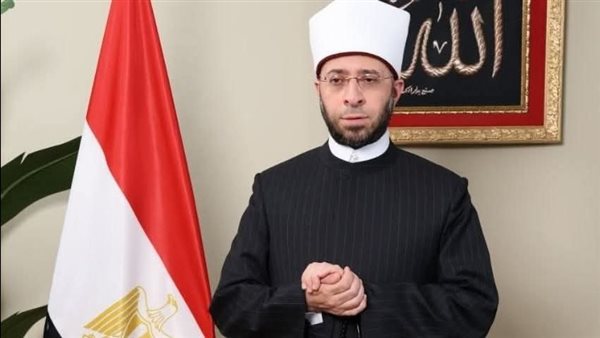
The Egyptian Ministry of Awqaf has published a summary of the work carried out in 2025 by its General Directorate for International Relations and Agreements, highlighting an expanded international presence and strengthened cooperation on religious affairs. Under the guidance of Dr Osama Al-Azhari, minister of Awqaf, the directorate continued to deploy imams, scholars and readers overseas and to formalise partnerships that support Egyptian religious outreach.
Egypt religious diplomacy 2025
The ministry reported that 54 permanent envoys were posted to communities across the globe. The distribution included 22 envoys to African countries, two to Europe, 22 to the Americas, six to Asia and two to Australia. In addition to those permanently posted, 34 staff were seconded abroad to Asia, the United States and Mexico to support local religious needs and institutional cooperation.
During the holy month of Ramadan the directorate issued 95 deployment decisions for imams and readers, assigning them to a wide range of countries including Germany, Ireland, the United Kingdom, Italy, France, Switzerland, Austria, Belgium, Norway, the United States, Canada, Brazil, Venezuela, Bolivia, Colombia, India, Singapore, Australia, Indonesia, Spain, Bulgaria and Ukraine. The Ramadan deployments aimed to meet the spiritual needs of Muslim communities and to promote a balanced, moderate interpretation of Islam.

Officials said that 2025 also saw the signing of several memoranda of understanding and agreements designed to consolidate Egypt’s engagement in international religious affairs. These instruments aim to increase co-operation on religious education, exchange of expertise and joint initiatives that reflect the ministry’s emphasis on moderate religious discourse and cultural dialogue.
To ensure a high standard among overseas representatives, the directorate supervised a permanent envoy competition for imams and a separate contest for readers in preparation for future Ramadan deployments. Those selection processes form part of a broader strategy to professionalise the ministry’s overseas presence and match qualified candidates to the needs of host communities.
Ministry sources described the activity as part of a strategic effort to enhance international co-operation, strengthen cultural ties and project Egypt’s religious leadership regionally and globally. By combining permanent postings, secondments and seasonal assignments, the ministry seeks to maintain continuous engagement while responding to fluctuating demand during periods such as Ramadan.
Analysts note that religious diplomacy of this kind supports soft-power objectives. It helps sustain connections with diaspora communities, fosters mutual understanding and opens channels for institutional collaboration on education and interfaith initiatives. The ministry’s 2025 report suggests a sustained commitment to these aims, with practical steps taken to standardise representation and expand the ministry’s footprint abroad.
The ministry released supporting details alongside photographic materials and a full list of destinations for the 2025 deployments. The initiative emphasises service to expatriate communities and the projection of a moderate, scholarly Egyptian voice in international religious discourse.
Key Takeaways:
- Egypt religious diplomacy 2025 expanded with 54 permanent envoys and 34 seconded staff active across continents.
- The Ministry issued 95 Ramadan envoy decisions to serve Muslim communities in Europe, the Americas, Asia and Oceania.
- Several memoranda of understanding and agreements were signed in 2025 to bolster Egypt’s moderate religious presence internationally.
- Competitions were organised to select permanent imam and qari envoys, aligning with a broader strategy for cultural and religious cooperation.








