











Key Takeaways:
- Foreign Minister Badr Abdelatty met junior and mid-level diplomats to review progress and gather proposals for improving institutional performance, emphasising Egypt citizen-focused diplomacy.
- The ministry stressed closer coordination across sectors and missions to respond to fast-moving regional and international challenges.
- Key priorities include strengthening economic and trade ties, investing in human resources, and accelerating digital transformation and artificial intelligence adoption.

Egypt strengthens citizen-focused diplomacy to boost institutional performance
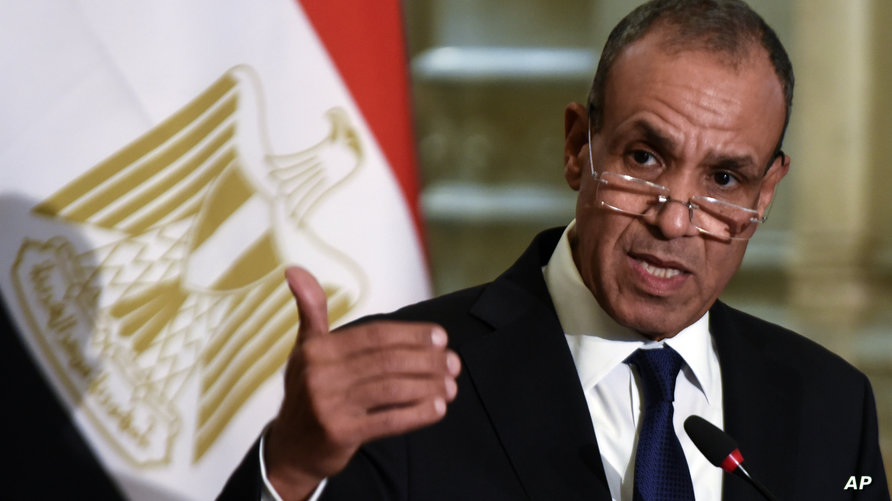
Foreign Affairs, Emigration and Expatriates Minister Badr Abdelatty held a working session with junior and mid-level members of the diplomatic and consular corps on Monday to assess progress and collect proposals for enhancing institutional performance. The meeting focused on improving the ministry’s responsiveness to citizens’ needs while reinforcing economic and trade engagement abroad.
Egypt citizen-focused diplomacy at the centre of reform effort
Abdelatty told attendees that diplomacy must prioritise the concerns of Egyptian nationals, particularly expatriates and emigrants who rely on consular services. He called for practical measures to make missions abroad more accessible and effective, from streamlining processes to ensuring consistent communication with communities overseas.
Ministry officials were urged to translate policy into tangible outcomes, such as faster consular assistance, improved crisis response and targeted support for Egyptian workers and investors abroad. The emphasis on citizen services reflects a broader push to make foreign policy more directly relevant to daily life.
Coordination, trade ties and institutional development
The minister highlighted the need for close coordination between ministry sectors and international missions to confront rapid and exceptional regional and global challenges. He recommended strengthened inter-departmental planning and clearer lines of responsibility so that diplomatic posts can react quickly when situations evolve.
Economic diplomacy was a central theme. Abdelatty pressed for intensified efforts to fortify trade relations, attract investment and support Egyptian exporters. Diplomats were encouraged to identify concrete opportunities in host countries and work with trade and investment agencies to deliver results.
Investing in people and technology
To underpin these aims, the minister called for sustained investment in human resources. Training programmes, career development and institutional capacity building were presented as essential steps to prepare diplomats for increasingly complex challenges.
Digital transformation and artificial intelligence were highlighted as priority tools to modernise consular services and internal workflows. The ministry plans to expand digital platforms to improve case tracking, document processing and communication with Egyptian citizens, while exploring AI applications to increase efficiency and analytical capacity.
Practical outcomes and next steps
Participants at the meeting were invited to submit proposals that could be fast-tracked for pilot implementation. Abdelatty asked missions to report back on specific needs and suggested that successful initiatives be scaled across the network of representations.
The minister’s direction signals a pragmatic shift towards a diplomacy that is more responsive, commercially engaged and technologically equipped. By aligning institutional reforms with citizen priorities and economic objectives, Egypt aims to strengthen its foreign service while delivering measurable benefits to nationals at home and abroad.








