











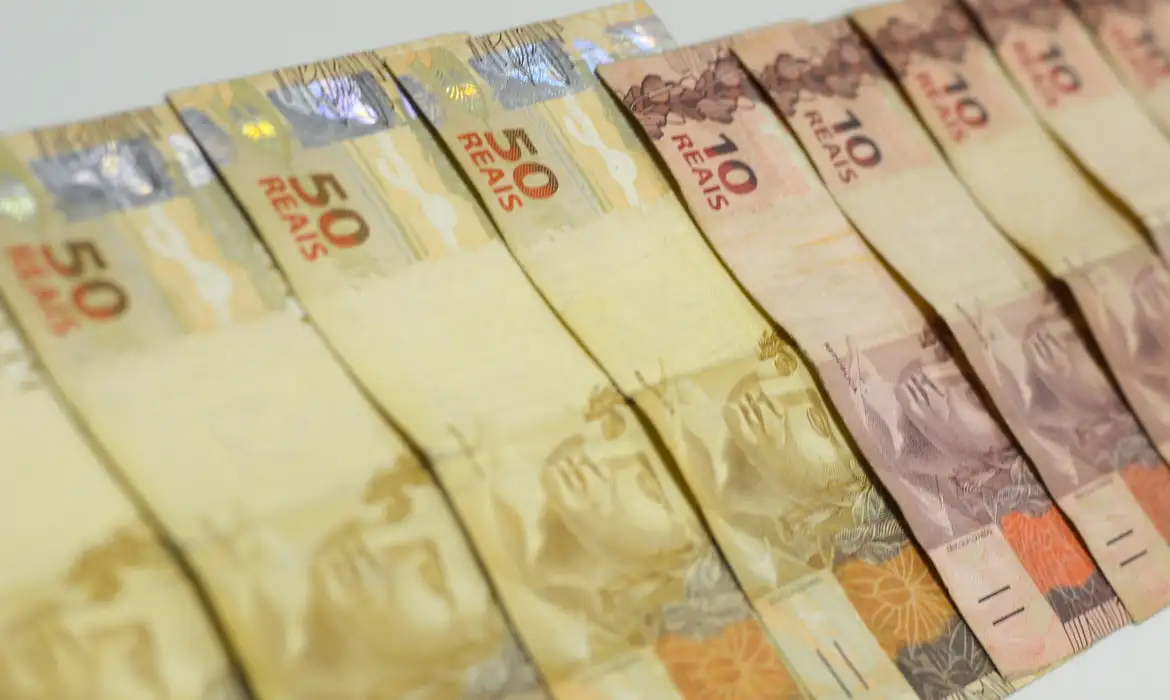
Brazil’s national minimum wage increased to R$1,621 on Thursday 1 January 2026 after a presidential decree signed in late December. The rise of R$103 from the previous floor of R$1,518 represents a 6.79% adjustment designed to preserve workers’ purchasing power while respecting fiscal limits.
The government based the correction on the National Consumer Price Index (INPC), which accumulated 4.18% in the 12 months to November 2025, and on GDP growth from two years earlier. For the 2026 minimum wage the calculation incorporated Brazil’s revised 2024 GDP growth of 3.4%. Under current fiscal rules, however, the portion of the increase above inflation is capped at 2.5%, reducing the final rise. Independent calculations by Dieese indicate that, without that cap, the minimum wage would have reached R$1,636.
Brazil new minimum wage 2026 and who benefits
The minimum wage functions as a reference point for salaries and numerous social benefits. Pensions, retirement payments and other benefits paid by the National Social Security Institute (INSS), including the Continued Provision Benefit (BPC), will automatically adjust to the new floor. The change also affects the minimum unemployment benefit, PIS/Pasep allowances, the monthly contribution for individual micro-entrepreneurs (MEI) and several legal thresholds that use the minimum wage as a base.

Dieese estimates that 61.9 million people in Brazil have incomes referenced to the minimum wage. Of those, 29.2 million are INSS beneficiaries, 17.6 million are formal employees, 10.7 million are self-employed and 3.8 million are domestic workers. The upward revision should flow primarily into household incomes, supporting consumption among lower-income groups.
Analysts expect the adjustment to inject roughly R$81.7 billion into the Brazilian economy in 2026, with nearly R$40 billion directed to pension and social benefit payments. The boost to disposable income is likely to increase demand for goods and services, offering short-term support to economic activity at a time when domestic consumption remains central to growth prospects.
Since 2002, when the minimum was R$200, the cumulative increase has reached 710.5%, nearly double inflation over the same period. Policymakers and economists note that the dual objective of the wage policy is to protect purchasing power while maintaining fiscal discipline. The application of the 2.5% cap on real gains reflects efforts to balance social support with budgetary constraints.
For households on the minimum wage and for beneficiaries tied to the floor, the new figure will be immediately relevant in budgeting and benefits planning. For the wider economy, the additional spending is likely to provide a modest stimulus to domestic demand, while the fiscal cap on gains aims to limit long-term pressures on public accounts.
Observers will monitor how the pay floor interacts with inflation developments, labour market conditions and government fiscal metrics through 2026. For now, the adjustment marks a tangible increase in incomes for millions and a notable fiscal and social policy decision from one of the BRICS economies.
Key Takeaways:
- Brazil new minimum wage 2026 rises to R$1,621, a 6.79% increase intended to preserve purchasing power and deliver a limited real gain.
- The calculation used INPC inflation (4.18%) plus 2024 GDP growth, but a 2.5% cap under fiscal rules reduced the final adjustment.
- About 61.9 million people reference the minimum wage; the rise is expected to inject R$81.7 billion into the economy.








