











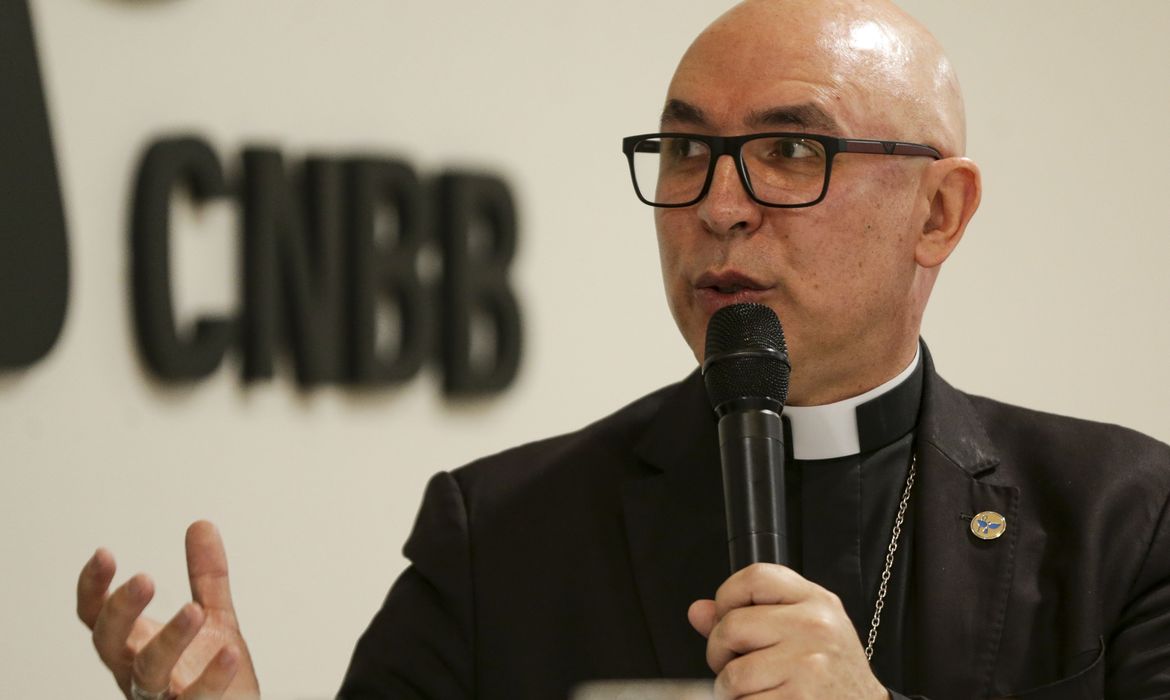
The National Conference of Bishops of Brazil (CNBB) published a New Year letter expressing deep concern about democratic backsliding and ethical setbacks in 2025 while also recognising social and environmental advances. The message urges a return to dialogue, respect for institutions and renewed investment in the poorest sectors of society.
In a candid assessment, the bishops said the year had been marked by “profound tensions and social setbacks” that damaged public confidence in institutions. They warned that some episodes had eroded decorum among authorities and weakened mechanisms of public accountability.
Brazil democracy and social challenges
The CNBB framed democracy as a national patrimony that requires constant care, dialogue and respect for checks and balances. It argued that, even imperfect, democratic institutions remain the best ground for justice and truth to flourish. The bishops called on political actors and citizens to seek pacification, mutual respect and constructive debate as the country prepares for the year ahead.

Specific concerns listed in the letter include the conduct of some public officials, an apparent weakening of ethical standards and a rise in corruption, and the influence of economic interests over democratic safeguards. The bishops also criticised recent legal changes, citing adjustments to the Clean Record Law and alterations to the national environmental licensing regime as examples that risk diluting oversight.
Environmental and indigenous rights were emphasised. The CNBB lamented what it sees as threats to protections for traditional peoples, pointing to the approval of the so called temporal framework in Congress as a setback. At the same time the bishops praised Brazil’s role in renewable energy and the hosting of the 30th UN Climate Conference in Belém, which they said reinforced the nation’s commitment to caring for the planet.
On public safety and social wellbeing the letter condemned hate speech, truth manipulation and rising violent crimes such as femicide. The bishops also drew attention to how debt servicing constrains public investment in health, education and housing, and to persistent inequality and the growth of illicit economies.
Despite these warnings, the CNBB acknowledged a number of positive developments in 2025. The letter highlighted improvements in the Unified Health System, a reduction in unemployment, stable inflation and modest GDP growth. It also cited diplomatic and trade advances, including the removal of some US tariffs on Brazilian goods and access to new international markets.
Social policy steps received praise as well. The bishops welcomed measures such as the taxation of large fortunes and the popular mobilisation behind a plebiscite on a revised work schedule, the so called 6×1 proposal.
Firmly grounded in Catholic teaching, the CNBB reiterated its opposition to the legalisation of abortion and affirmed the sanctity of life from conception to natural death. It linked defence of life to broader efforts against hunger, poverty and social exclusion.
The letter closes on a note of hope, invoking the dream of Dom Hélder Câmara and the poetry of Thiago de Mello. The bishops urged Brazilians to carry a spirit of transformation into 2026, insisting that challenges demand civic responsibility, ethical leadership and sustained solidarity with the poor.
Key Takeaways:
- CNBB issues a New Year letter highlighting threats to Brazil democracy and calls for renewed dialogue and institutional trust.
- The bishops cite ethical setbacks, changes to the Ficha Limpa and environmental protections, and growing social inequality.
- They also note positive developments such as strengthened SUS, lower unemployment, renewable energy leadership and COP30 in Belém.
- The church urges pacification, defence of human life and renewed commitment to social justice.








