











The year 2025 closed with stark reminders that growth alone does not guarantee shared prosperity. While several major economies showed signs of stabilisation and inflationary pressures eased, conflicts and environmental shortfalls highlighted the scale of work ahead. For India and other BRICS members, the coming year will be about turning those lessons into concrete policy action.
2026 priorities for India and BRICS
India consolidated its position as one of the fastest-growing large economies in 2025, boosted by infrastructure spending, digital expansion and an expanding manufacturing base. Yet policymakers face persistent challenges: job creation has not kept pace with labour-market entrants, income inequality remains entrenched, and rural distress continues to demand targeted intervention. These issues must be central to 2026 policy agendas if economic gains are to be widely shared.
On the geopolitical front, the costs of prolonged conflicts and fresh fault lines in trade, technology and energy politics were apparent. The endurance of violence in Ukraine and Gaza, alongside emerging tensions over supply chains and critical technologies, drained resources and sapped political capital. For BRICS countries, prioritising dialogue over division will be essential. Reviving trust in multilateral institutions requires reform and practical cooperation, not mere rhetoric.

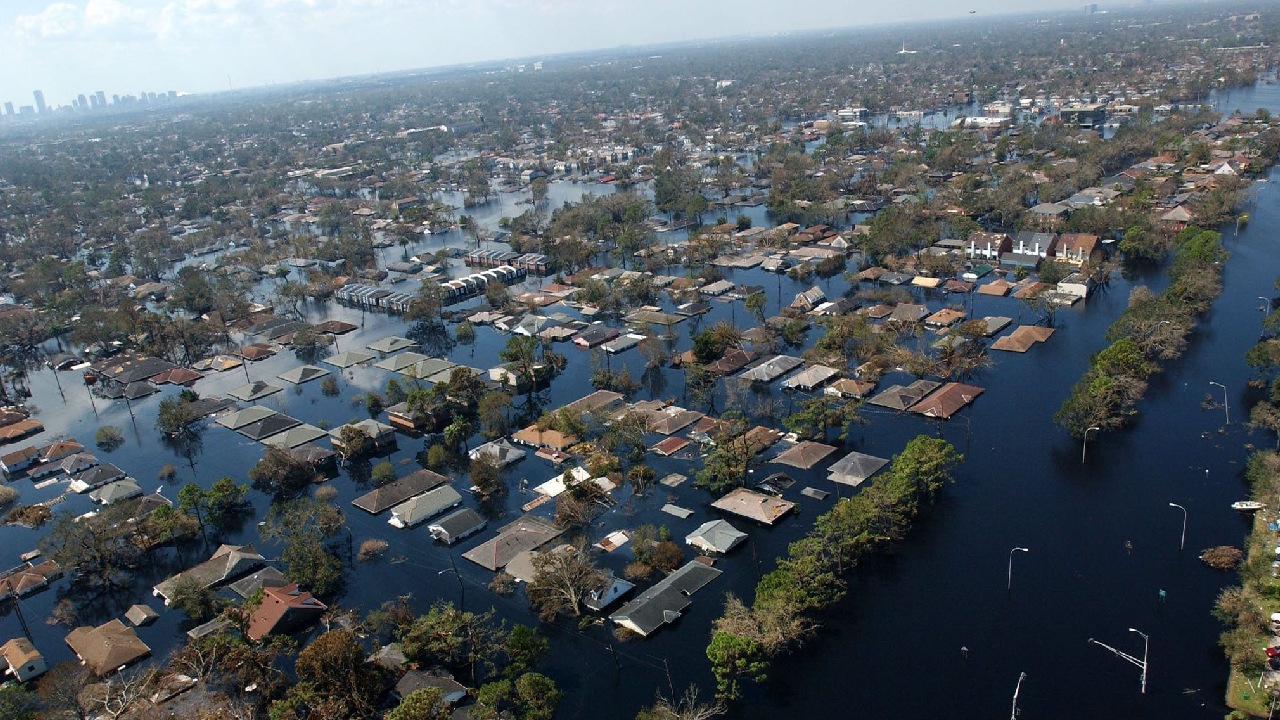
The environmental challenge remains the most urgent. Despite renewed pledges and faster adoption of renewables in parts of the world, the gap between commitments and implementation persisted through 2025. 2026 must see sharper action: stronger adaptation plans, accelerated energy transitions and serious investment in water security, biodiversity and sustainable agriculture. For rapidly developing countries, balancing development needs with ecological limits will be a central test of governance.
Technological change offers both opportunity and risk. Advances in artificial intelligence, clean energy technologies and digital infrastructure can support new growth pathways. However, without policies that prioritise skills, social protection and equitable access, automation and platform economies risk widening inequality. A human-centric approach to innovation should guide public and private investment in the year ahead.
Economic policy must also be pragmatic. Stabilisation is welcome, but complacency is costly. Fiscal and monetary authorities should guard against premature loosening that could reignite inflation, while directing capital towards productive public investment. Strengthening regional trade ties within and beyond BRICS could cushion members from external shocks and foster deeper industrial cooperation.
In diplomacy, 2026 will demand statesmanship. Repairing strained multilateral mechanisms will take sustained effort: building consensus on trade rules, cooperating on technology governance and coordinating climate finance will all be priorities. For BRICS members, a constructive agenda that combines national interest with collective problem-solving can enhance global influence and deliver tangible benefits at home.
Lessons from 2025 are clear. Delay and half-measures cost lives and livelihoods. The test for 2026 will be whether leaders translate reflection into action — prioritising jobs and inclusion, stepping up climate and environmental measures, and using technology to expand opportunity rather than undermine it. For India and its BRICS partners, the year ahead is an opportunity to demonstrate that hard lessons can lead to better outcomes.
Key Takeaways:
- 2026 priorities for India and BRICS emphasise growth, climate action and stronger multilateral cooperation.
- India consolidated its growth in 2025 but must tackle job creation, inequality and rural distress.
- Global conflicts and trade tensions underline the need for dialogue and reform of multilateral institutions.
- Technological advances and clean-energy investment offer opportunity if paired with human-centric policies.








