











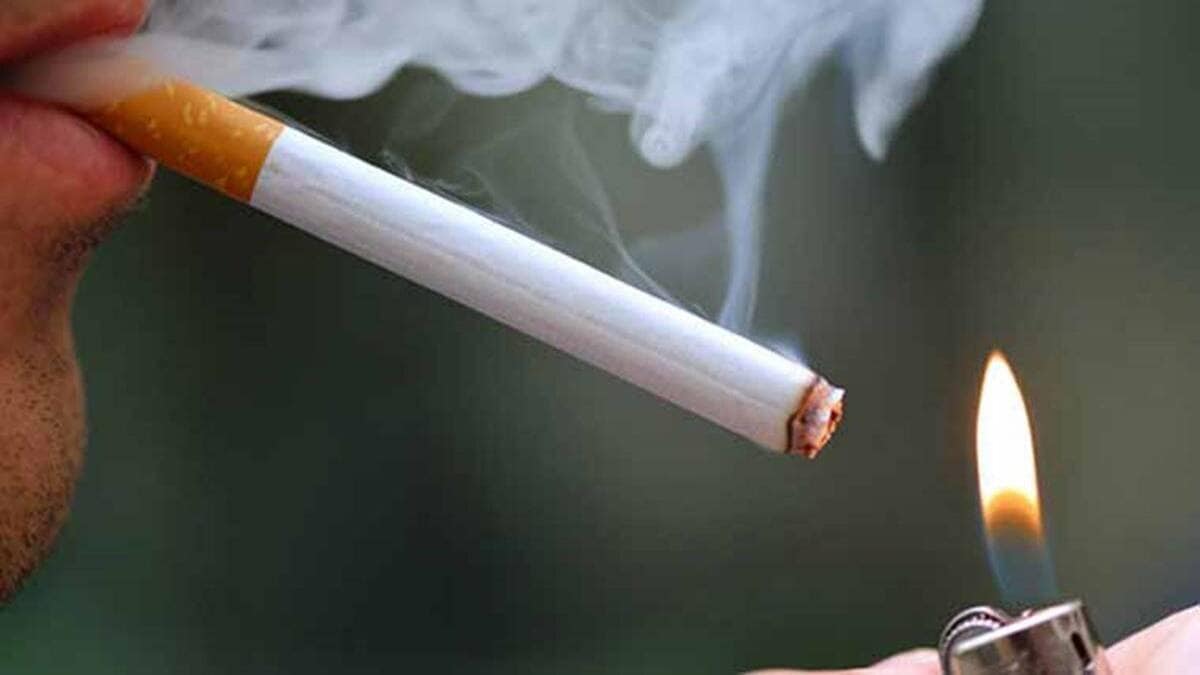
The Union Ministry of Finance has announced the discontinuation of the Goods and Services Tax (GST) compensation cess on tobacco and related products, effective 1 February. The move ends a temporary levy first introduced in 2017 to compensate states for revenue losses during the GST rollout and later extended to help repay borrowings taken during the Covid period.
India GST compensation cess and what it means
The compensation cess, which had applied to cigarettes, chewing tobacco, pan masala, gutkha, bidis and hookah tobacco, will be withdrawn as the Centre nears completion of repayment of Rs 2.69 lakh crore in loans and interest taken to compensate states. With the loan obligation met, the specific compensation levy is no longer required.
To ensure there is no easing of the overall tax burden on so-called demerit goods, the government has restructured the tax mix. A 40% GST slab, introduced as part of GST reforms in September 2025, will apply to these products, and central excise duties have been raised under the Central Excise (Amendment) Act, 2025.

Under the amendment, higher specific duties now apply to cigars, cheroots and cigarettes, with levies ranging between Rs 5,000 and Rs 11,000 per 1,000 sticks depending on length. Unmanufactured tobacco will attract duties in the range of 60–70%, while nicotine and inhalation products will face a 100% levy. These excise charges will be additional to the 40% GST rate on sin goods.
Simultaneously, the government has introduced a Health Security and National Security Cess that will apply to pan masala and related items from 1 February. Proceeds from this cess have been earmarked for public health initiatives and national security needs, signalling a fiscal intent to both sustain revenue and direct funds to targeted programmes.
The compensation cess mechanism was originally designed as a five-year measure when GST came into force on 1 July 2017, to protect states’ revenues while the new indirect tax regime settled. The levy was extended beyond its initial sunset date as the Centre borrowed to compensate states for Covid-related revenue shortfalls. The GST Council had on 3 September 2025 decided to continue the compensation cess on tobacco and pan masala until those loans were repaid.
Officials say the new tax structure is intended to be revenue neutral for the government and states while preserving high taxation on products with public-health implications. By converting part of the tax burden to higher central excise and a dedicated cess for health and security, the Centre aims to continue discouraging consumption of harmful products while meeting repayment obligations.
Analysts will watch how consumers and manufacturers respond to the combined GST and excise burden and whether states’ revenue flows remain stable under the revised mix. The change also underscores how post-pandemic fiscal adjustments continue to shape taxation policy in India, balancing revenue needs with public health objectives.
The measures take effect on 1 February; further implementation details and regulatory guidance are expected from the Ministry of Finance and the Central Board of Indirect Taxes and Customs in the coming days.
Key Takeaways:
- India GST compensation cess on tobacco will be discontinued from 1 February as the Centre completes repayment of Rs 2.69 lakh crore in loans.
- The government will introduce a Health Security and National Security Cess on pan masala and related items, with proceeds earmarked for public health and security programmes.
- Taxation will shift to a mix of a 40% GST slab and higher central excise duties to retain a high levy on demerit goods.
- The move follows parliamentary changes under the Central Excise (Amendment) Act, 2025, and decisions by the GST Council to maintain revenue neutrality.








