











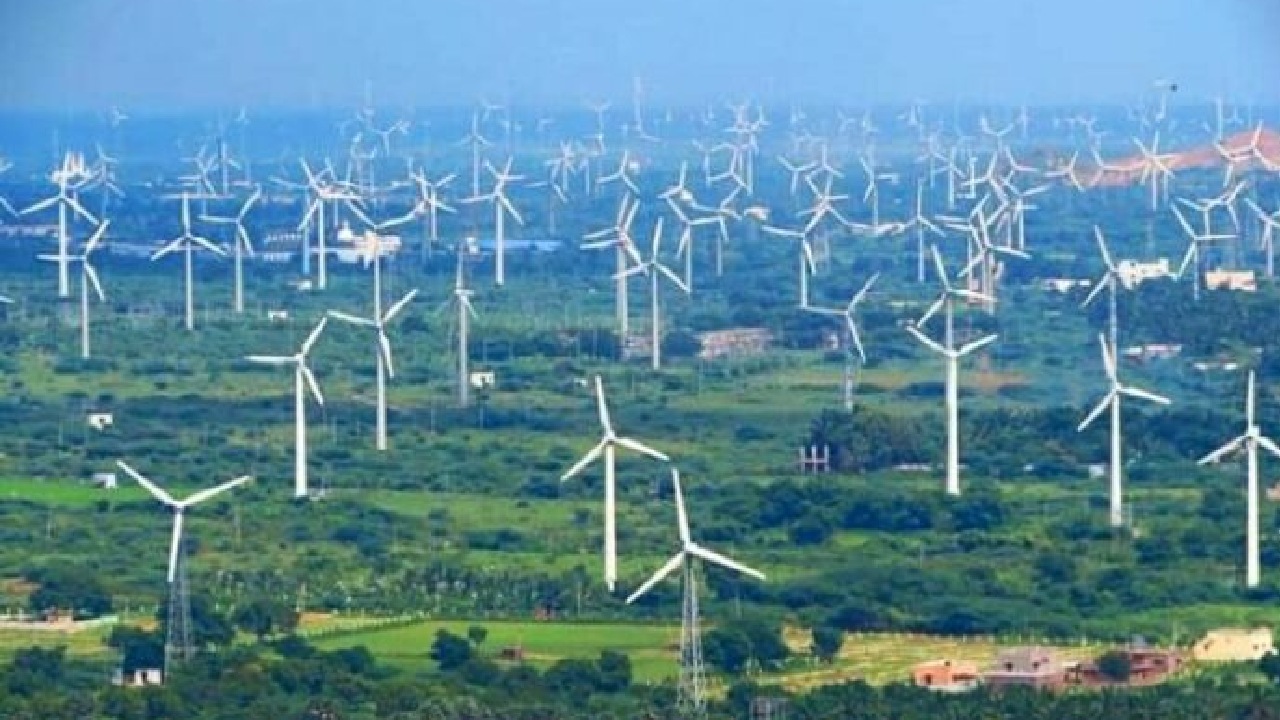
India’s power sector entered a new phase in 2025 as policymakers and industry began to treat system design and reliability as the priority, not just capacity additions. The country’s renewable capacity sits near 500 GW and non-fossil generation already exceeds half of installed sources on paper, but actual electricity consumption remains dominated by coal. That gap between installed capacity and dependable round-the-clock supply has reshaped the debate about what success looks like.
India energy transition demands system redesign
Renewable generation is inherently variable. Solar peaks at midday and falls after sunset, while wind varies by season and location. As penetration increases, these patterns create price volatility, curtailment of clean power and operational complexity for system operators. In 2025, the sector reached the realisation that storage must move from policy aspiration to mainstream infrastructure. The Solar Energy Corporation of India’s tender for 1.2 GW of renewable capacity bundled with 4.8 GWh of battery storage signalled that storage will be inseparable from future renewable growth.
Short-duration batteries are now essential to manage daily variability, and longer-duration solutions such as pumped hydro and flow batteries will be required for seasonal balancing. Green hydrogen may play a role over the longer term. But storage remains capital-intensive, and investors need predictable, continuous policy signals, not sporadic mega-auctions. A steady pipeline of storage-linked tenders will be critical to build domestic manufacturing, attract investment and drive down costs.

On the demand side, India’s fast-growing digital economy is introducing new power challenges. Hyperscale data centres clustering around Mumbai, Chennai and Hyderabad are expected to add roughly 5 to 6 GW of continuous demand by 2030. These facilities operate around the clock and are sensitive to power quality. They are procuring green power under net-zero commitments, which places a premium on credible scheduling, wheeling and verification of clean energy supplies.
Transmission emerged in 2025 as the silent enabler of the transition. India invested about INR 2.5 lakh crore in transmission over the past five years and plans larger investments to 2030. High-voltage corridors, including HVDC links, are necessary to transport renewable power from resource-rich regions to demand centres and to balance variability across states. Without adequate transmission, neither renewable capacity nor storage can deliver full value.
Domestic manufacturing of transformers, switchgear and high-voltage equipment also acquired strategic importance. Local production reduces supply-chain risks, shortens delivery timelines and improves resilience. Companies that have invested in Indian manufacturing are better placed to support rapid grid expansion, and the same capacity can boost exports and employment.
The conversation on sustainability has matured from commitments to measurable outcomes. Utilities and technology providers are increasingly judged on emissions reduction, clean energy use and resource efficiency. Looking ahead to 2030, India’s success will not be judged only by reaching headline renewable targets. True success will be reliable, affordable and continuous power delivered through a flexible, digital and well-integrated grid. The transition that began with ambition must now be driven by large-scale execution.
Rajib K Mishra is a power sector expert and former CMD, PTC India; views are personal.
Key Takeaways:
- India energy transition is moving from generation targets to system reliability and flexibility.
- Energy storage is now core grid infrastructure, exemplified by bundled SECI tenders for batteries.
- Rising demand from data centres requires continuous, high-quality power and stronger transmission.
- Domestic manufacturing and steady policy for storage-linked tenders are essential to cut costs and ensure resilience.








