











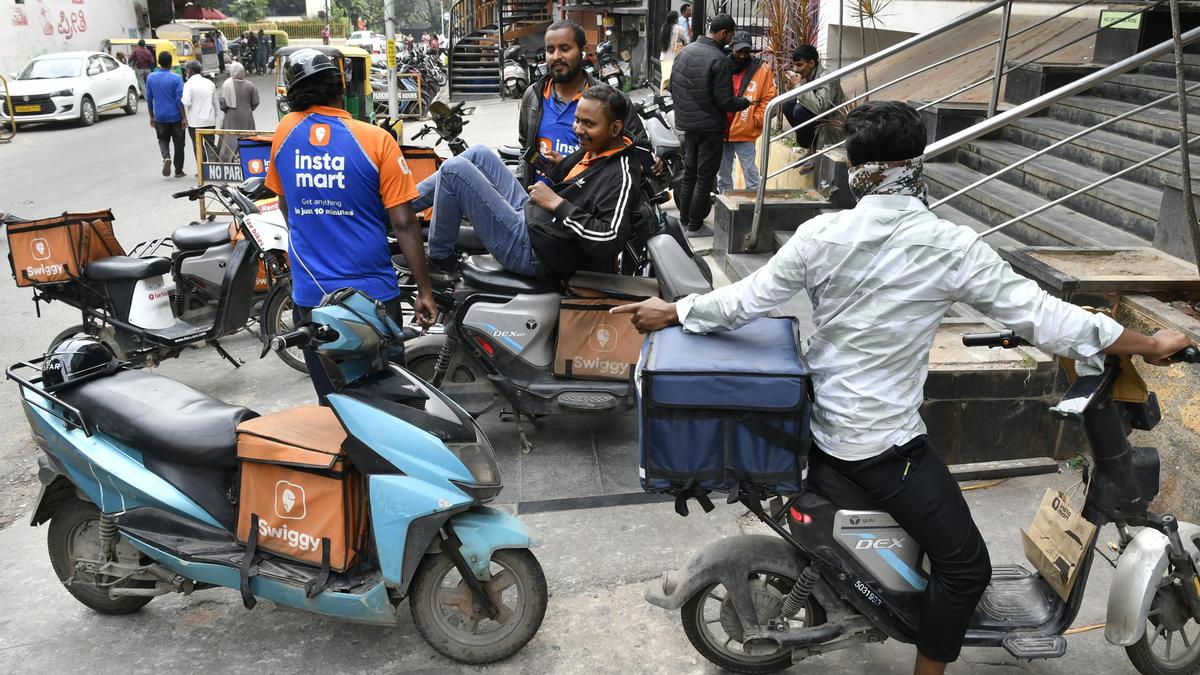
Tens of thousands of app-based platform workers across India logged out on New Year’s Eve, foregoing what is usually one of the most lucrative days for food delivery and ride-hailing services. For many who rely on daily earnings, shoulder debt and have invested heavily in vehicles and phones, that choice was existential rather than symbolic. The mass logouts signalled how severe working conditions in the platform economy have become and marked a coordinated effort to force regulation, better pay and safer working practices.
India gig workers strike
The protests come amid a wider global shift in the regulation of platform work. Cities and states across the world have begun to impose clearer protections: New York City recently passed strong limits on arbitrary account deactivations, Mexico’s federal government moved to treat most platform workers as employees with minimum pay and social protections, and Colombia and Chile have taken steps to classify drivers as employees where platforms exercise control. These developments sharpen the debate beyond mere classification to questions of basic labour rights, algorithmic transparency and grievance redressal.
In India, organisers and researchers say the sector lags behind these trends. A large PAIGAM study of more than 10,000 app-based workers — supported by the University of Pennsylvania — found that over 80% work more than 10 hours a day and more than 30% work beyond 14 hours. The largest groups of drivers and delivery workers reported monthly incomes below ₹15,000 and ₹10,000 respectively. Nearly half of those surveyed could not take a single day off in a week, over 99% reported physical or mental health issues and about half experienced violence at work. Many rejected policies such as 10-minute deliveries as unsafe and untenable.

The structure of platform work turns urban streets into hazardous workplaces, organisers say. Speed targets, tight delivery timelines and opaque algorithms place risk squarely on workers’ bodies while platforms retain control over pricing, incentives and access to tasks. That imbalance explains why strikes can quickly disrupt platform operations and unsettle investors: market responses to recent logouts included a dip in shares of some major companies, reflecting investor concern about labour reliability and potential losses.
Platform responses mixed coercion and inducement. Workers reported targeted surveillance, ID deactivations, police harassment and other pressure tactics aimed at breaking solidarity. At the same time, companies offered temporary payout spikes, promises of higher earnings and high-profile campaigns to lure workers back online. Campaign organisers say the contradiction — lavish spending on marketing and short-term incentives alongside persistent low base rates — sharpens the case for enforceable standards on pay and working conditions.
Crucially, the strike generated broader solidarity across trade unions, collectives and parts of the urban middle class, prompting public debate about whether convenience should come at the cost of workers’ dignity. Union leaders argue that logging out has become a powerful form of collective action in the digital economy, demonstrating that organised labour can challenge platform capital and press for structural reforms.
The immediate demand is stronger regulation: enforceable wage floors, working-hour limits, data transparency, algorithmic accountability and effective grievance mechanisms. Activists also call on state and central governments to move beyond token social security measures to binding protections that prioritise incomes and safety over company profits. As mobilisations continue, India faces a test of whether it will align with global regulatory shifts or allow platform work to remain largely unregulated and precarious.
Key Takeaways:
- India gig workers strike on New Year’s Eve highlighted widespread labour grievances and the economic stakes for workers dependent on daily earnings.
- International regulatory momentum — from New York to Mexico and Colombia — is pressuring platforms on algorithmic accountability and employment rights.
- Study data show long hours, low pay and health risks for app-based workers, driving demands for minimum pay, grievance redressal and safety.
- Platforms’ countermeasures and inducements have met organised worker resistance, signalling a sustained push for stronger regulation.








