











The Union government has moved to tighten excise and GST on tobacco products while offering significant regulatory relief to a major telecom company, and exporters face a new cost from Europe’s carbon levy. The policy shifts, announced late in the year, will take effect from 1 February and have immediate fiscal and market consequences.
India tax and trade policy 2026
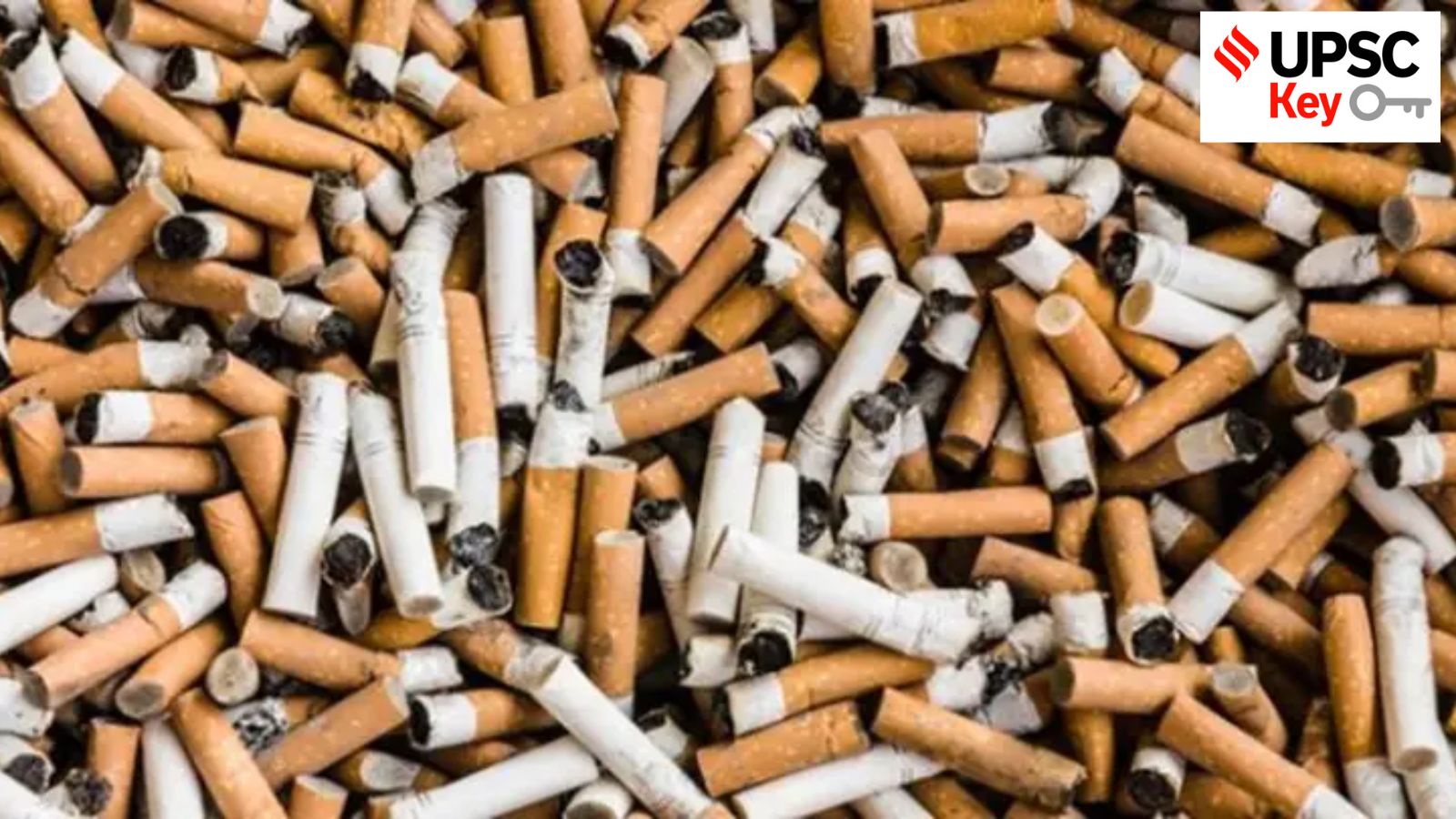
From February, cigarette prices are set to rise sharply after the government revised duty rates across tobacco products. The compensation cess component will be removed, but this is offset by a higher GST rate of 40% on many items and increased excise duties ranging widely by product type. For manufacturers and consumers, the total tax incidence on some cigarettes could increase substantially, with analysts estimating retail price rises between 15% and 40%.
The duty changes also target paan masala and machine-packed tobacco. Paan masala will face a 40% GST plus a new Health Security se National Security Cess. For certain chewing tobaccos and packed tobacco the excise will switch to a capacity-linked levy to curb evasion where actual production is hard to measure. Officials argue that GST traces value while cess helps estimate production capacity, improving enforcement.

The market reacted quickly. Shares of major cigarette makers fell sharply on the stock exchange after the announcement, reflecting investor concern over demand and margins. Public health experts note India’s total tax incidence on cigarettes remains below WHO recommendations, a fact the government may have considered against public health and revenue goals.
Separately, the Cabinet approved a relief package for Vodafone Idea, freezing adjusted gross revenue (AGR) dues for five years and permitting rescheduling of the company’s sizeable liabilities. The step aims to shore up the operator’s balance sheet and keep it a viable competitor in a concentrated telecom market. The move follows earlier equity conversion measures and reflects the government’s desire to preserve competition in a critical infrastructure sector.
On the international front, the European Union’s Carbon Border Adjustment Mechanism is already affecting Indian exporters of steel and aluminium. CBAM levies a cost on imports tied to carbon emissions and, at current EU carbon prices, can add substantial charges per tonne for carbon‑intensive production routes. Exporters and industry bodies are urging the government for support, quicker adoption of cleaner technologies such as electric arc furnaces, and carve‑outs for smaller units in ongoing India‑EU negotiations.
Taken together, these developments illustrate competing policy objectives: raising revenues and pursuing public health through higher tobacco levies, securing the domestic telecom sector through regulatory relief, and mitigating external shocks from trade measures such as CBAM. For students preparing for civil service examinations, the episodes are useful case studies on tax design, fiscal federalism, industrial policy and the interplay of trade and climate policy.
Key facts to note for exam preparation include the different central levies (excise, NCCD, GST), the rationale for capacity‑linked levies in certain tobacco segments, the definition and implications of AGR in telecom regulation, and the structure and likely effects of CBAM on India’s export competitiveness.
Key Takeaways:
- Government notifies higher duties on cigarettes and other tobacco products from 1 February, with GST raised to 40% and revised excise slabs.
- Cabinet freezes Vodafone Idea’s AGR liabilities for five years and allows rescheduling, improving viability prospects for the telecom operator.
- EU Carbon Border Adjustment Mechanism (CBAM) starts to affect steel and aluminium exports, pushing exporters to adopt cleaner production and seek negotiation space in the India-EU talks.
- The changes carry fiscal, public health and trade implications relevant for UPSC preparation and India’s external competitiveness.








