











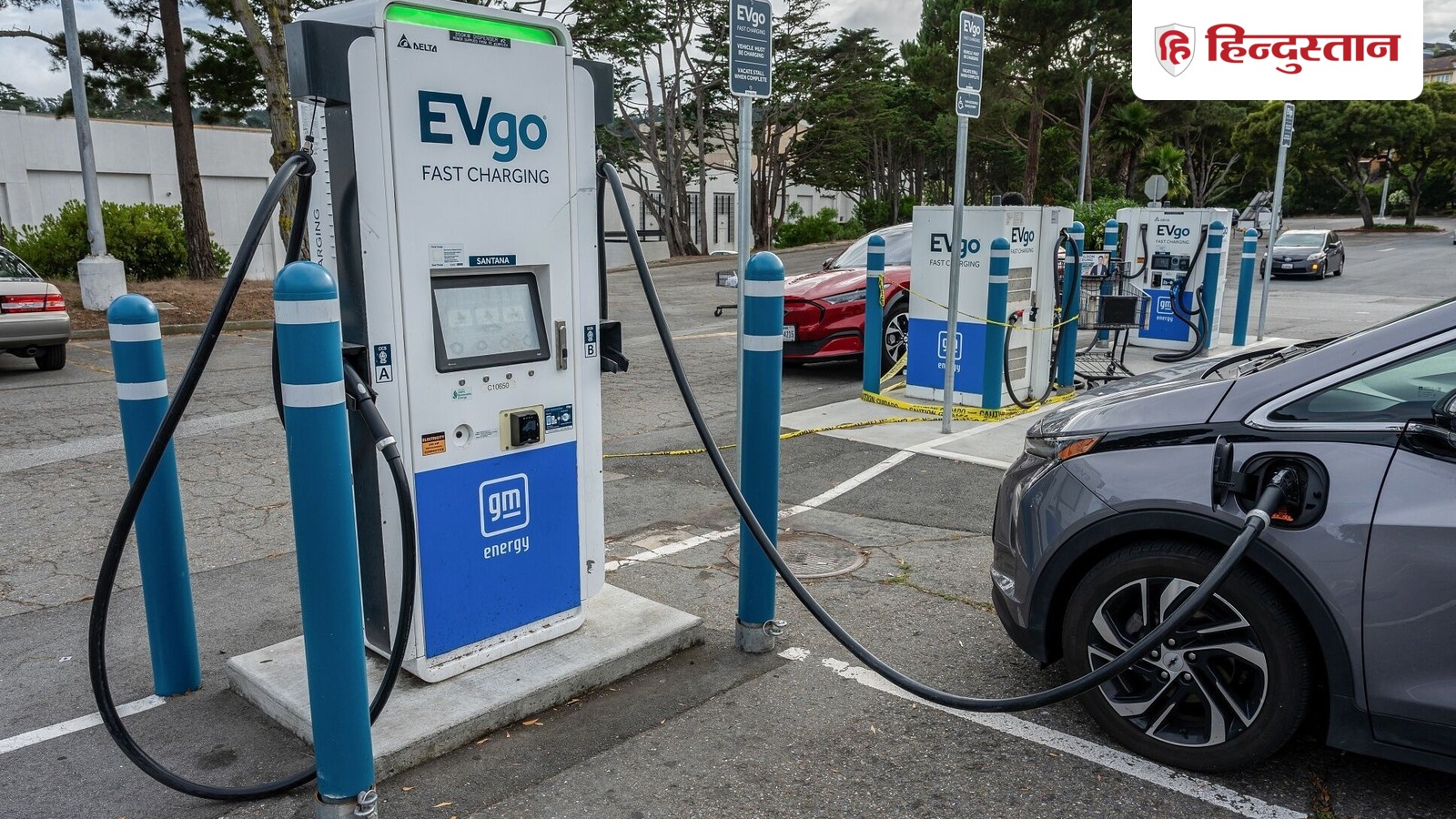
The Indian government has taken decisive steps to address a key barrier to electric vehicle adoption by revising equipment rates and clearing the way for a rapid expansion of charging infrastructure across the country. The move aims to remove cost uncertainties and speed up deployment by state governments through designated nodal agencies.
India EV charging stations receive revised equipment rates
After a prolonged review, the Ministry of Power has updated the standard rates for items used in public charging stations. The revised rates respond to concerns from state authorities that the earlier schedule, set several years ago, no longer reflected current market prices for chargers, cables and associated hardware. With fresh figures now issued, states can initiate procurement and construction with clearer budgeting.
Energy and heavy industry officials said the updated rates were prepared following an assessment requested by the Ministry of Heavy Industries. The revised schedule has been circulated to state governments, which are expected to ramp up activity on charging points and stations in the coming months.

Subsidies and targets under the PM E-Drive programme
The central government has set aside Rs 2,000 crore under the PM E-Drive programme to build charging infrastructure. Under the scheme, states may receive up to 100% subsidy for eligible expenses related to public charging stations, subject to the scheme’s guidelines. Officials estimate that by 2030, electric vehicles could account for more than 10% of the country’s vehicle fleet, requiring upwards of 72,000 public charging stations nationwide.
Local governments had argued that outdated cost norms were delaying projects. The revised rates effectively remove that hurdle and are expected to unlock significant state-level investments. Nodal agencies designated by state administrations will now be able to award contracts and commence construction without further delay.
Manufacturing boost from the PLI auto scheme
Complementing infrastructure measures, the Production Linked Incentive (PLI) scheme for advanced automobile technologies has spurred fresh investment in the sector. The scheme, launched for five financial years starting 2023–24 with a total budget of Rs 25,938 crore, has so far attracted Rs 35,657 crore in commitments from participating firms. Incentive payouts totalling around Rs 2,321.94 crore have already been released to eligible companies.
Officials note that the PLI scheme provides support only for products that meet a minimum 50% domestic value addition threshold. To date, eight original equipment manufacturer applicants have received domestic value addition certification for 94 variants, while ten component makers have been certified for 37 variants. These certifications are intended to deepen local supply chains and reduce reliance on imports for critical EV components.
Implications for consumers and industry
The combined effect of revised equipment rates, state-led deployment and manufacturing incentives is likely to accelerate charging network expansion and lower barriers for EV buyers. Faster installation of charging points will address range-anxiety concerns and could stimulate greater consumer uptake, supporting the government’s target for a larger share of electric vehicles by 2030.
Industry participants and state officials will watch the rollout closely in the coming months. If the funding and revised procurement norms translate into rapid ground-level progress, India could see a meaningful shift in urban mobility and battery-electric vehicle adoption over the remainder of this decade.
Key Takeaways:
- India EV charging stations will expand nationwide after revised equipment rates and state-level rollout under the PM E-Drive programme.
- Central subsidy of up to 100% for charging station costs will accelerate deployment; government targets over 72,000 public chargers by 2030.
- PLI auto scheme has attracted significant investment, with over Rs 35,657 crore committed and incentive disbursements underway.








