











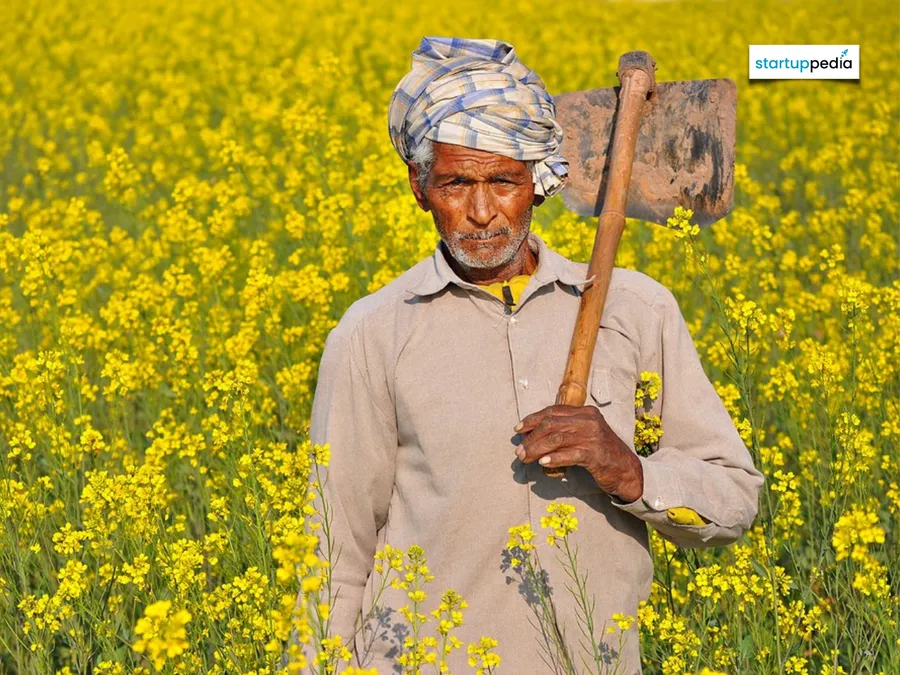
India’s agriculture sector is embracing digital tools and sustainable solutions at a faster pace, with homegrown startups offering practical fixes for persistent problems such as water scarcity, soil degradation and post-harvest losses. As nearly 65% of the population still depends on farming for livelihood, innovations from the private sector are helping to raise productivity while conserving resources.
Indian agritech startups leading change
Cropin Technology Solutions uses data analytics and artificial intelligence to provide farmers and agribusinesses with weather forecasts, soil health metrics and early warnings for pest and disease outbreaks. By turning field observations into actionable recommendations, Cropin supports climate-resilient cropping decisions and reduces unnecessary input use.
DeHaat operates as an integrated platform offering both digital advisory and on-ground services. It connects farmers to quality inputs, provides real-time crop guidance and links producers directly to markets. DeHaat’s model addresses price discovery and supply-chain inefficiencies, and its reported revenues for FY 2024 show strong commercial traction.

EF Polymer is developing biodegradable super absorbent polymers made from food waste such as orange peels. These natural polymers help soils retain moisture for longer periods, reducing irrigation frequency and easing pressure on scarce water resources. By converting waste streams into agricultural inputs, EF Polymer also contributes to circular economy objectives.
Ecozen Solutions focuses on renewable-energy solutions tailored to farming communities. Its solar-powered cold storage units limit post-harvest losses for perishable crops, while precision irrigation systems deliver water more efficiently. Linking solar energy with cooling and irrigation helps farmers reduce energy costs and extend the shelf life of produce.
AgroStar supplies verified agricultural inputs and expert advisory through a user-friendly platform. By promoting the right quantities of seeds, fertilisers and crop protection products, AgroStar reduces overuse of chemicals and helps farmers make cost-effective decisions.
Together these companies illustrate three clear trends: the adoption of data-driven decision-making, the use of renewable energy and circular materials, and stronger links between producers and markets. Each approach addresses a distinct pressure point for Indian agriculture, from conserving groundwater to cutting post-harvest losses and lowering input costs.
Policy and financial incentives will be important to scale these solutions. Public-private partnerships, farmer training programmes and targeted subsidies for climate-smart technologies can accelerate uptake, particularly among smallholder farmers who account for a large share of agricultural output.
Market signals are already encouraging. Several of the startups featured report healthy revenues, signalling that sustainable agricultural solutions can be commercially viable while delivering social and environmental benefits. Investors and government agencies monitoring productivity and food security outcomes will likely see further potential for impact and returns.
For India, where soil degradation and uneven water availability pose long-term risks to food production, these agritech firms provide practical pathways to more resilient farming. Their innovations do not replace traditional knowledge; rather, they support farmers with tools that optimise resource use, improve yields and strengthen livelihoods. As the sector matures, the combination of technology, renewable energy and circular practices could become central to the nation’s agricultural strategy.
Key Takeaways:
- Five Indian agritech startups are scaling sustainable farming through data, clean energy and circular materials.
- Indian agritech startups provide solutions for water conservation, post-harvest losses and soil health.
- Startups such as DeHaat and Ecozen are already reporting substantial revenues, indicating market traction and rural impact.








