











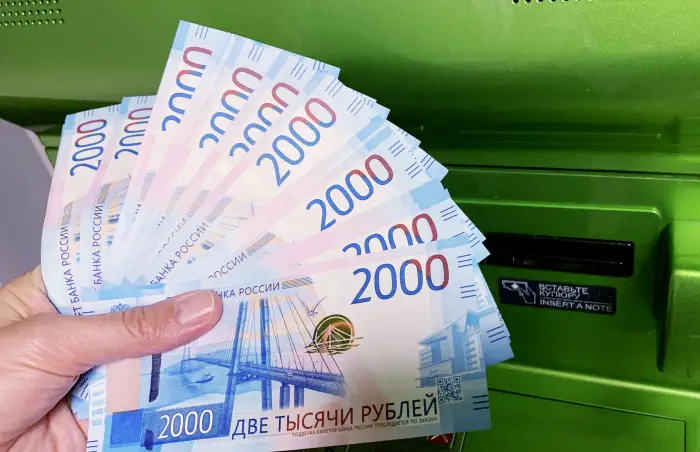
Russia will increase its minimum wage on 1 January 2026, the Ministry of Labour announced, raising the minimum rate by 20.7 percent to 27,093 rubles. The ministry said the move will directly improve pay conditions for roughly 4.6 million workers and take the minimum wage more than 30 percent above the subsistence level for the working age population.
Russia minimum wage 2026
The ministry noted that the new level represents a step towards fulfilling a presidential instruction issued in 2024 to ensure a minimum wage of 35,000 rubles by 2030. Labour Minister Anton Kotyakov said the planned rise will give immediate relief to low earners and narrow the gap between the minimum wage and basic living costs.
From 2025 the minimum wage has been set at no less than 48 percent of the previous year median wage. In 2025 the minimum wage stood at 22,440 rubles. The jump to 27,093 rubles reflects both that statutory rule and a policy choice to accelerate income growth for lower paid workers, the ministry said.

The minimum wage serves not only as the floor for employer pay but also as a base for calculating temporary disability benefits and other social payments. Raising the base therefore has an amplified effect on a range of statutory transfers, increasing benefits connected to earnings and altering employer payroll costs.
Analysts say the increase could support household incomes and consumption among low paid groups, which may provide a modest boost to domestic demand. However the step will raise labour costs for employers, especially small and medium sized businesses. The net effect on employment and inflation will depend on how firms, consumers and monetary authorities respond over the coming months.
For the government, the wage hike is part of a broader strategy to improve living standards while keeping public finances under control. By linking the minimum wage to a share of the median wage, authorities aim to maintain a degree of automatic adjustment that tracks overall wage dynamics. Still, further adjustments may be required if inflation or labour market conditions diverge from current expectations.
Trade unions welcomed the announcement as a meaningful increase for low income workers. Business associations acknowledged the social benefits but called for careful monitoring and targeted support measures for smaller enterprises that face greater sensitivity to rising payroll expenses.
Looking ahead, policymakers will balance the social gains from higher wages against potential pressures on prices and employment. The administration has signalled its intention to continue raising the minimum wage in stages to meet the 2030 objective. For millions of workers the 2026 rise will provide an immediate improvement in take home pay and the statutory foundations for social payments.
The Ministry of Labour said it will publish further implementation guidance for employers and social insurance institutions before the start of the year. Observers will watch wage and price data early in 2026 to assess the wider economic impact of the increase.
Key Takeaways:
- Russia minimum wage 2026 will rise by 20.7% to 27,093 rubles from 1 January.
- The increase affects around 4.6 million workers and surpasses the subsistence minimum by over 30%.
- The change advances the government towards the president’s target of 35,000 rubles by 2030.








