











Vietnam’s total trade in goods has topped $920 billion, a milestone that places the country among the world’s 15 largest trading nations and underlines the central role of exports and imports in its economic expansion. Officials and industry representatives say the result reflects both strong performance in manufacturing and steady improvements in agricultural exports, alongside deliberate policy measures to broaden markets and bolster resilience.
Vietnam trade growth drivers
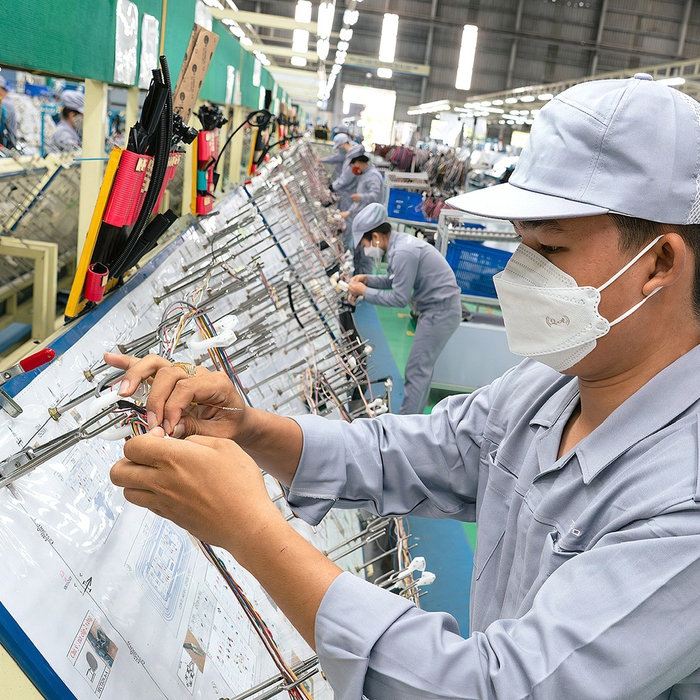
The manufacturing sector remains the dominant force, accounting for roughly 85% of trade. Key industries such as electronics, machinery and equipment, textiles, footwear and furniture have maintained robust growth, with many firms reporting double-digit increases in export value. These companies have adapted by restructuring production, diversifying product lines and seeking new buyers, often taking advantage of Vietnam’s growing network of free trade agreements.
Alongside manufactured goods, agriculture, forestry and fisheries have shown notable gains. Staple exports including rice, coffee, fruit and seafood have improved in both value and quality as producers and processors upgrade standards for food safety, traceability and sustainability. The shift has involved investment in raw-material zones and tighter supply-chain links designed to meet tougher importing-country requirements.

Policymakers credit a range of measures for the performance. The Ministry of Industry and Trade has pushed market diversification, deepening ties with traditional partners while actively opening opportunities in the EU, the UK, Canada, Mexico, members of the Comprehensive and Progressive Agreement for Trans-Pacific Partnership and the Regional Comprehensive Economic Partnership. New outreach targets include markets in the Middle East, Africa, South Asia and Latin America to spread risk and capture emerging demand.
Authorities have also focused on raising firms’ capacity to use FTAs by clarifying rules of origin and compliance standards, improving administrative procedures and expanding trade-facilitation services. Early-warning systems and closer monitoring of trade-remedy investigations aim to protect exporters from sudden tariffs or anti-dumping actions. At the same time, administrative reform has sought to reduce costs and time for businesses, improving competitiveness as global trade costs rise.
Foreign direct investment continues to play an important role. FDI-led supply chains dominate many manufacturing exports, and the government sees this not as a problem but as an opportunity. Policy efforts to develop domestic supporting industries, increase local content and strengthen links between foreign and domestic firms intend to raise the value captured locally and help Vietnamese firms move deeper into global value chains.
Challenges remain. Rising protectionism and tougher market standards on carbon emissions, traceability, labour and environmental practices increase compliance costs and extend time to market, particularly for small and medium-sized enterprises. Yet the ongoing restructuring of global supply chains also creates openings. Firms that invest in sustainable production and meet international standards can access higher-value segments and more diversified buyers.
Looking ahead to 2026, officials expect continued momentum if firms and authorities maintain the current strategy: leverage FTAs, deepen domestic capabilities, and strengthen market diversification and trade defence. The combination of FDI strengths and stronger domestic supplier networks will be central to achieving more balanced and resilient trade growth.
Key Takeaways:
- Vietnam trade growth pushes total trade above $920 billion, placing the country among the world’s top 15 trading nations.
- Manufacturing accounts for about 85% of trade, led by electronics, machinery, textiles and footwear, while agriculture improves quality and sustainability.
- The Ministry of Industry and Trade is prioritising market diversification, FTA utilisation and trade facilitation to reduce risks from protectionism.
- Stricter standards and higher compliance costs pose challenges, but supply-chain restructuring offers opportunities for deeper integration and higher value-added exports.








