











Key Takeaways:
- Former Indian diplomat Vidya Bhushan Soni warns that sustained anti-India rhetoric in Bangladesh risks long-term damage to India-Bangladesh relations.
- The death of Begum Khaleda Zia and the return of her son Tarique Rahman may reshape BNP politics and influence upcoming elections.
- Concerns over the exclusion of the Awami League and youth dissatisfaction with the caretaker administration raise questions about the representativeness of polls.
- Recall of the Bangladesh High Commissioner to Dhaka could signal a Dhaka reassessment to avoid further strain with India.

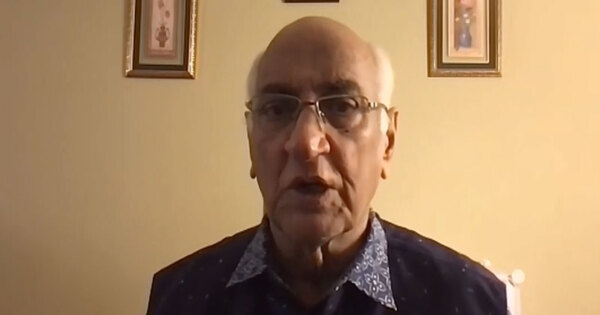
Vidya Bhushan Soni, a former Indian diplomat, has warned that persistent public attacks on India by political figures in Bangladesh could have lasting consequences for bilateral ties. Speaking to ANI from Massachusetts, Soni said the present trend of “diatribes against India on every single issue” risks creating a prolonged rift between the two neighbours.
India-Bangladesh relations under strain, says former diplomat
Soni noted that the political landscape in Bangladesh is in flux following the death of Begum Khaleda Zia at the age of 80. He suggested her son, Tarique Rahman, who returned to Bangladesh after 17 years in exile, may seek to inherit his mother’s political mantle and could benefit from a sympathy wave. At the same time, Soni cautioned that absentee leaders who have been away for years may misjudge public sentiment and face difficulties in mobilising sustainable support.
Reflecting on Khaleda Zia’s legacy, Soni described her as a reluctant but effective politician who advanced women’s representation and education. He observed that while she was not overtly hostile towards India, her orientation frequently leaned towards China and ASEAN countries rather than offering a warm approach to New Delhi.
The former envoy warned that Bangladesh’s political tensions extend beyond party leadership. He expressed concern about the caretaker administration led by Muhammad Yunus, saying that even many younger supporters of his return are disappointed by some of his decisions. Soni argued that a truly representative election is unlikely if significant parties are barred from participating, pointing specifically to the exclusion of the Awami League.
Recent reports that Bangladesh’s High Commissioner to India, Riaz Hamidullah, was recalled to Dhaka after consultations with the foreign ministry were viewed by Soni as a positive sign. He suggested the move may indicate a realisation in Dhaka that needlessly antagonising India would serve no one’s interests. A prompt reassessment, he added, could help arrest the drift in bilateral relations.
Analysts say the coming weeks will be crucial for Bangladesh’s political calculus. Tarique Rahman’s ability to navigate both the legacy of his parents and contemporary public expectations will determine whether the BNP can capitalise on sympathy without courting further instability. Soni urged caution, arguing that missteps early in any political comeback could doom attempts to consolidate support.
For India, the path forward requires careful diplomacy. While New Delhi has an interest in steady neighbourly relations, Soni stressed that provocative rhetoric in Bangladesh could make cooperation more difficult on trade, border management and regional initiatives. He urged Bangladeshi leaders to consider measured language and policies that avoid long-term damage to ties with India.
The death of Khaleda Zia and the ongoing political turbulence in Dhaka present both risks and opportunities. A timely reassessment in Dhaka, combined with responsible political leadership, could prevent further deterioration and preserve the constructive elements of India-Bangladesh relations that benefit people on both sides of the border.








