











Key Takeaways:
- Bahia authorities deployed facial recognition Salvador cameras across Salvador and the metro area to improve public safety at the Virada Salvador festival.
- The system has aided in locating fugitives and supports crime prevention during high‑density events.
- Officials say the technology complements police patrols and surveillance to protect attendees while respecting operational protocols.

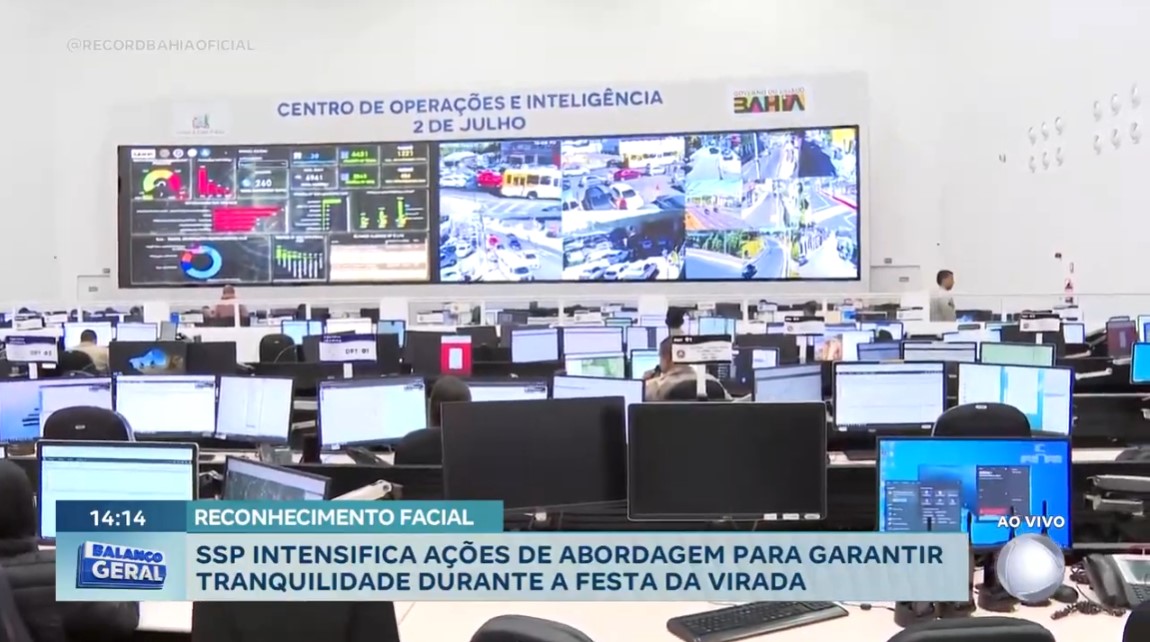
The Bahia State Public Security Secretariat has expanded the use of facial recognition systems in Salvador and its metropolitan area to bolster safety during the year‑end festival Virada Salvador. Authorities say the technology has already helped locate fugitives and is being used as an additional tool to prevent crime at large public gatherings.
facial recognition Salvador
Deployed across a network of cameras, the facial recognition system analyses live footage to match individuals of interest against authorised databases. Officials report that this capability has improved situational awareness and allowed officers to prioritise responses during the festival, when streets and venues see a substantial influx of people.
At major events such as Virada Salvador, organisers and police face the twin challenges of maintaining public order and ensuring rapid intervention if incidents occur. The Secretariat describes the technology as a supplementary measure that works alongside traditional policing methods, including foot patrols, fixed surveillance teams and emergency response units.
Public safety spokespeople emphasise that the system is intended for operational use in high‑risk settings and for locating individuals with outstanding arrest warrants. In recent weeks the technology was credited with helping officers identify and detain people who were wanted by the courts, reducing the likelihood of incidents escalating among large crowds.
Privacy and oversight concerns occasionally accompany deployments of biometric systems. Bahia officials state that the cameras operate within established legal and procedural frameworks and that data access is restricted to authorised security personnel. The Secretariat has also pointed to internal controls designed to prevent misuse and ensure that surveillance is proportionate to the public safety aim.
Local authorities say the initiative is part of a broader effort to modernise policing tools and improve response times across the metropolitan region. By combining analytics from facial recognition cameras with patrol intelligence and event management teams, police aim to deter opportunistic crime and swiftly address threats without unduly disrupting the festival experience.
Event organisers have cooperated with security forces to ensure clear signage and information points are available to attendees. Officials also encourage festivalgoers to follow safety advice, report suspicious behaviour and make use of on‑site support services. According to authorities, these combined measures aim to strike a balance between enabling large cultural gatherings and maintaining a secure environment.
Experts note that the effectiveness of facial recognition depends on camera coverage, image quality and the accuracy of reference databases. For now, Bahia’s deployment is focused on targeted use during peak events rather than continuous, city‑wide monitoring. Authorities say that operational lessons from Virada Salvador will inform future deployments and adjustments to protocols.
As cities worldwide explore technological solutions to public safety, Salvador’s approach illustrates how biometric systems can be integrated into event security strategies. The Secretariat maintains that when used with safeguards and clear legal oversight, facial recognition can be a pragmatic tool to protect citizens and visitors during high‑attendance events.








