











Key Takeaways:
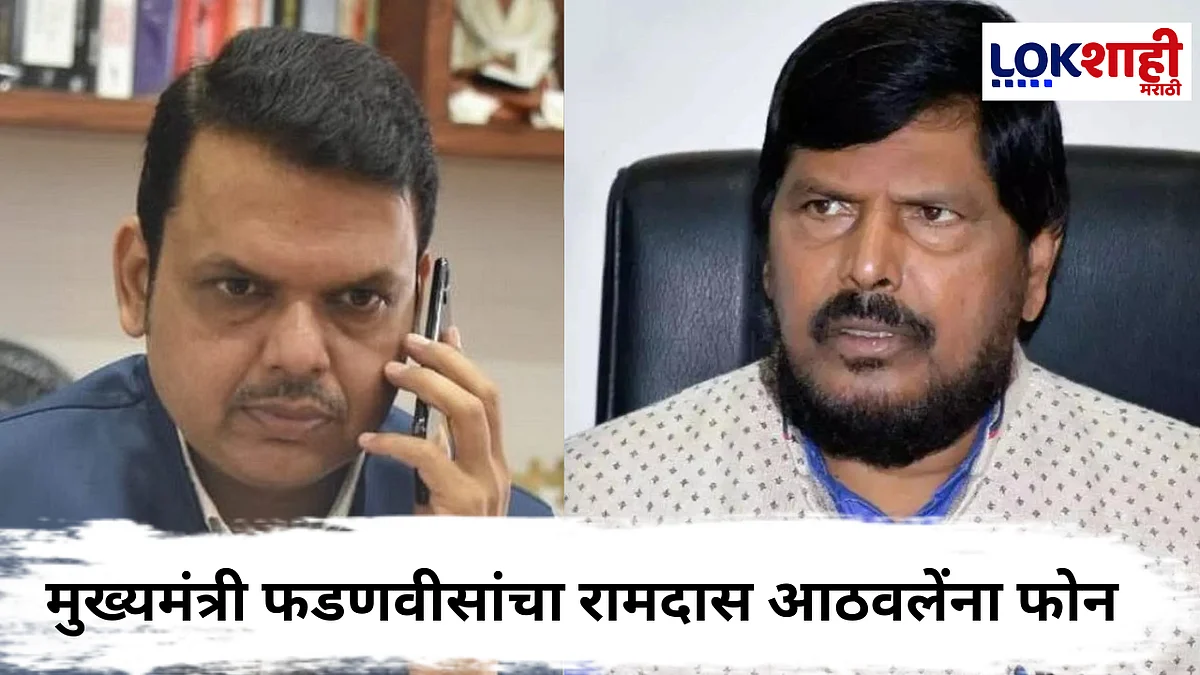
- Chief Minister Devendra Fadnavis phoned central minister Ramdas Athawale to urge rapid completion of seat allocation ahead of upcoming municipal elections.
- The call suggests at least one seat from the BJP quota could be offered to an Athawale nominee as coalition talks progress.
- Most allocations are reportedly finalised; party leaders want the remaining decisions concluded quickly to present a united front.

Chief Minister Devendra Fadnavis contacted central minister Ramdas Athawale this week to press for swift completion of seat-sharing arrangements ahead of the forthcoming municipal elections in Maharashtra. Party sources say the call reflects an intensified push by the BJP to settle remaining constituency allocations and shore up alliances before nominations close.
Fadnavis calls Ramdas Athawale to speed up seat allocation
According to officials close to the discussions, most of the seat distribution has already been finalised, but a handful of constituencies remain under negotiation. During the telephone conversation, Mr Fadnavis reportedly requested Mr Athawale’s cooperation in concluding the process quickly so candidates can be finalised and campaigning can proceed without delay.
Ramdas Athawale, a veteran leader and the head of his party, has long been a coalition partner at various levels of government. Local reports indicate there is a possibility that an Athawale nominee could receive a ticket from the BJP quota in certain municipal wards. Party strategists view such arrangements as key to consolidating support among specific voter groups in the city.
Municipal elections in Maharashtra carry important political weight. Control of civic bodies affects local governance, development projects and administrative appointments, and parties often treat these contests as a test of organisational strength ahead of larger state and national elections. Completing seat-sharing agreements early allows allied parties to coordinate campaigning, messaging and voter outreach.
From the BJP’s perspective, swift resolution of remaining allocations reduces the risk of last-minute friction between partners and gives the coalition time to present a unified slate. For Athawale and his associates, securing representation through the BJP quota would preserve visibility for their leaders at the municipal level and help maintain influence in local decision-making.
Political analysts say that while the call is routine in the context of alliance management, its timing indicates a degree of urgency. With multiple meetings already scheduled across party circles, the BJP appears keen to move from negotiation to mobilisation. A consolidated ticket list also helps media and voters understand which candidates represent coalition partners, reducing confusion on election day.
The BJP’s internal teams have reportedly completed allocations for the majority of wards, and sources say the remaining discussions concern strategic constituencies where partner demands and demographic considerations require careful balancing. Finalising these seats will enable joint campaigning efforts and strategic deployment of resources across the municipal map.
As the parties work through the remaining details, the immediate focus will be on announcing candidates and setting campaign timetables. Observers will watch whether any concessions made to coalition partners change the competitive dynamics in particular wards and whether the early closure of seat-sharing talks strengthens the BJP-led alliance’s electoral prospects.
For now, the telephone call from Mr Fadnavis to Mr Athawale serves as a reminder of the ongoing negotiations behind the scenes and the importance political leaders place on timely decisions in the run-up to local elections.








