











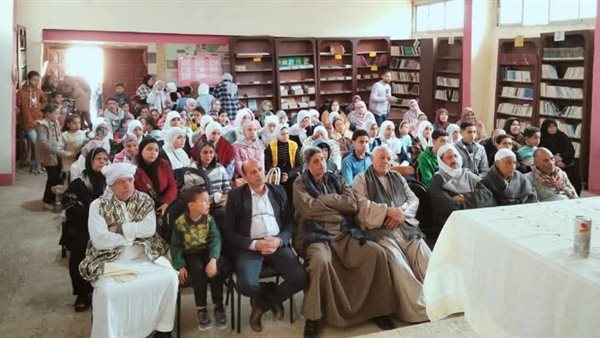
The General Authority for Cultural Palaces in Giza hosted a public awareness meeting on the role of the family in strengthening community security, bringing together religious scholars, experts and cultural officials to discuss how family life shapes social stability.
Family role in community security
The session, held at the Metanya Cultural House and overseen by the Cairo and North Upper Egypt Cultural Region, focused on practical measures families can take to nurture balanced personalities and resist harmful ideologies. Speakers included Sheikh Owaida Othman and Dr Mohamed Abdel-Sami, Secretary of Fatwa at Egypt’s Dar al-Ifta. Their remarks highlighted that parenting and the household environment are the first lines of defence in building responsible citizens.
Speakers argued that strong family bonds, grounded in mutual respect and affection, create a supportive environment where children learn values of loyalty, civic responsibility and respect for national identity. The meeting stressed that such values contribute directly to social harmony and reduce the risk of behavioural or ideological challenges taking root.

Addressing an audience that included officials from the Giza Cultural Branch, representatives from the Al-Azhar scholarly community and guests from the Al-Ayyat Cultural Palace, the presenters outlined concrete steps parents can take. These ranged from fostering open communication and consistent discipline to encouraging participation in community activities and civic education.
Dr Abdel-Sami emphasised the role of guided religious education in reinforcing ethical behaviour and a sense of belonging. He noted that children who grow up with stable family routines and clear moral frameworks are less susceptible to radical influences and social alienation. Sheikh Othman added that local institutions have a duty to support families through accessible programmes and regular engagement.
Organisers highlighted that the event is part of a broader cultural programme by the Ministry of Culture aimed at enhancing public awareness and human development. By situating cultural centres as hubs for community education, the authority hopes to reach parents and young people across the governorate.
Participants discussed contemporary challenges facing families, including changing social norms, the influence of social media and economic pressures that can strain family cohesion. The panel recommended parenting workshops, community counselling services and school-based initiatives to reinforce positive upbringing practices.
Audience members took part in a question-and-answer session that examined practical concerns, such as maintaining dialogue with teenagers and balancing work and family responsibilities. Several attendees praised the meeting for offering clear guidance and for bringing together religious and cultural leaders to present a unified message.
Local cultural officials said follow-up activities will include targeted outreach in neighbourhoods where families face higher social or economic vulnerability. They plan to coordinate with schools, health centres and religious institutions to provide a network of support for parents and children.
By focusing on the family as a cornerstone of social security, the Giza meeting aimed to strengthen community resilience through education, support and cooperative civic action. Organisers said they will continue similar sessions to broaden the reach of these messages and to monitor the impact of the programmes on local communities.
Key Takeaways:
- Community leaders and religious scholars gathered in Giza to discuss the family role in community security and the impact of positive parenting on social stability.
- Speakers emphasised the importance of family communication, respect and national identity in raising responsible citizens.
- The event, organised by the General Authority for Cultural Palaces, involved Al-Azhar scholars and local cultural centres to reach wider communities.








