











Key Takeaways:
- Paraguayan and Bolivian bettors form long queues at Brazilian outlets ahead of the Mega da Virada draw.
- The Mega da Virada attracts cross-border interest due to its large jackpot and accessible ticket options.
- Simple six-number bets cost R$6; larger combinations rise steeply, with a 20-number wager reaching around R$232,000.
- Increased sales from neighbouring countries provide a small boost to local commerce and lottery receipts.

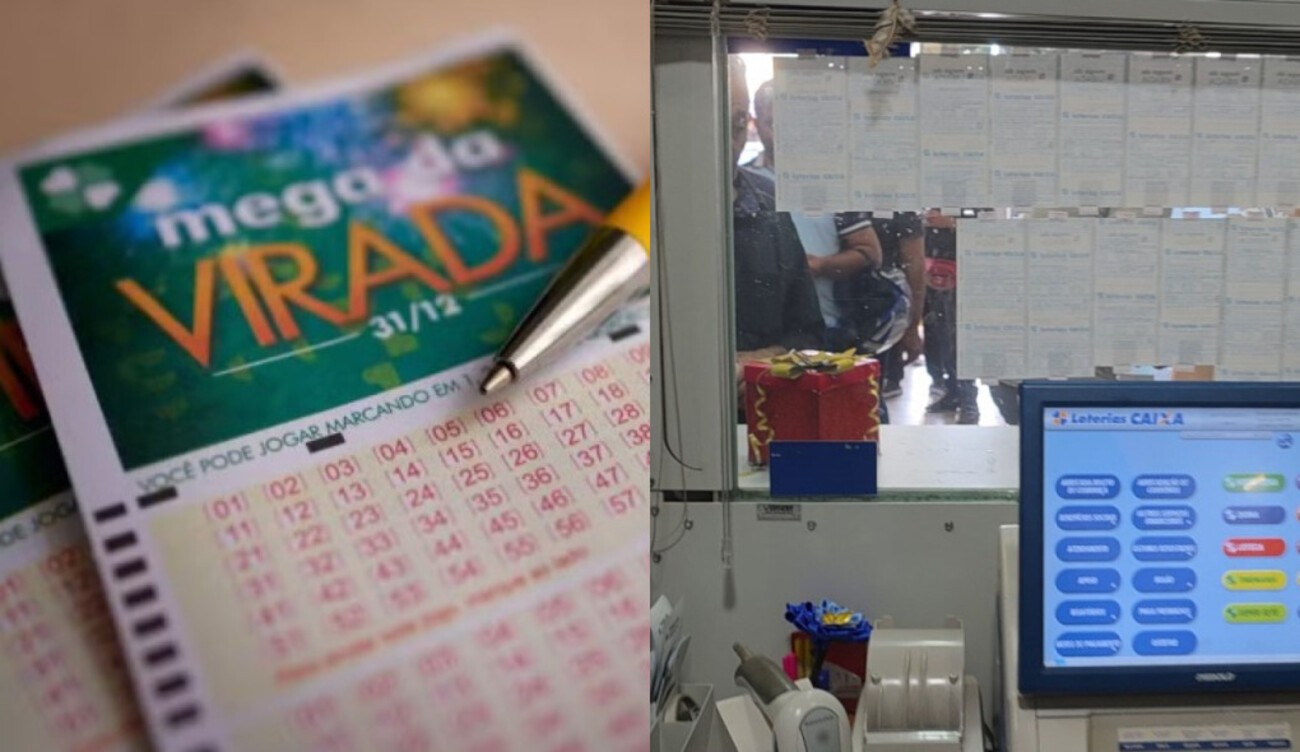
Long queues of Paraguayan and Bolivian nationals have formed at Brazilian lottery outlets as anticipation builds for the Mega da Virada draw, local reports and video footage show. The surge of cross-border bettors highlights the wide regional appeal of the annual New Year’s Eve jackpot, which routinely draws extraordinary interest across South America.
Mega da Virada draws cross-border bettors
The Mega da Virada, operated by Brazil’s national lottery, is a single-draw event that captures public attention with very large prizes. According to published details, a simple bet with six numbers costs R$6. Choosing seven numbers raises the price to R$42, while a complex 20-number wager can cost in the order of R$232,000. Those figures explain why many players choose smaller, lower-cost entries while others pool resources for larger combinations.
Footage from border towns shows shoppers and travellers taking advantage of proximity to Brazilian sales points to place their tickets in person. For some, the trip is motivated by convenience; for others, it is the chance to join a much larger prize pool than those available in their home markets. The visible queues suggest a steady flow of transactions that extend beyond the occasional tourist purchase.
Retailers near border crossings report a mix of buyers: casual players purchasing single, inexpensive entries and syndicates organising larger bets. The movement of people for this purpose offers a modest commercial uplift for kiosks, retailers and transport operators in affected areas. While the direct economic impact on national accounts is marginal, the phenomenon underscores how a single event can attract cross-border consumer activity.
Legal and operational aspects of participation are straightforward. The Mega da Virada remains open to anyone able to buy a ticket at authorised outlets in Brazil, which explains the presence of foreign nationals at point-of-sale locations. Increasingly, some players also use online channels when available, though regional access and verification requirements can vary.
Experts in regional commerce note that the phenomenon reflects broader patterns of cross-border consumption in South America. Popular draws and promotions often encourage short trips, spur small-scale spending and bring additional footfall to local markets. For lotteries, higher sales from neighbouring countries contribute to the prize fund and to operator revenues.
Organisers typically remind players that lottery participation carries inherent risks and that most entries do not yield significant returns. Responsible gambling messages and clear information about ticket costs and prize distribution are commonly promoted alongside publicity for large draws.
As the draw date approaches, sellers expect activity to remain brisk. Whether driven by dreams of a life-changing prize or by the simple thrill of taking part, the queues of Paraguayans and Bolivians at Brazilian outlets are a visible sign of the Mega da Virada’s regional reach and its capacity to mobilise bettors across borders.








