











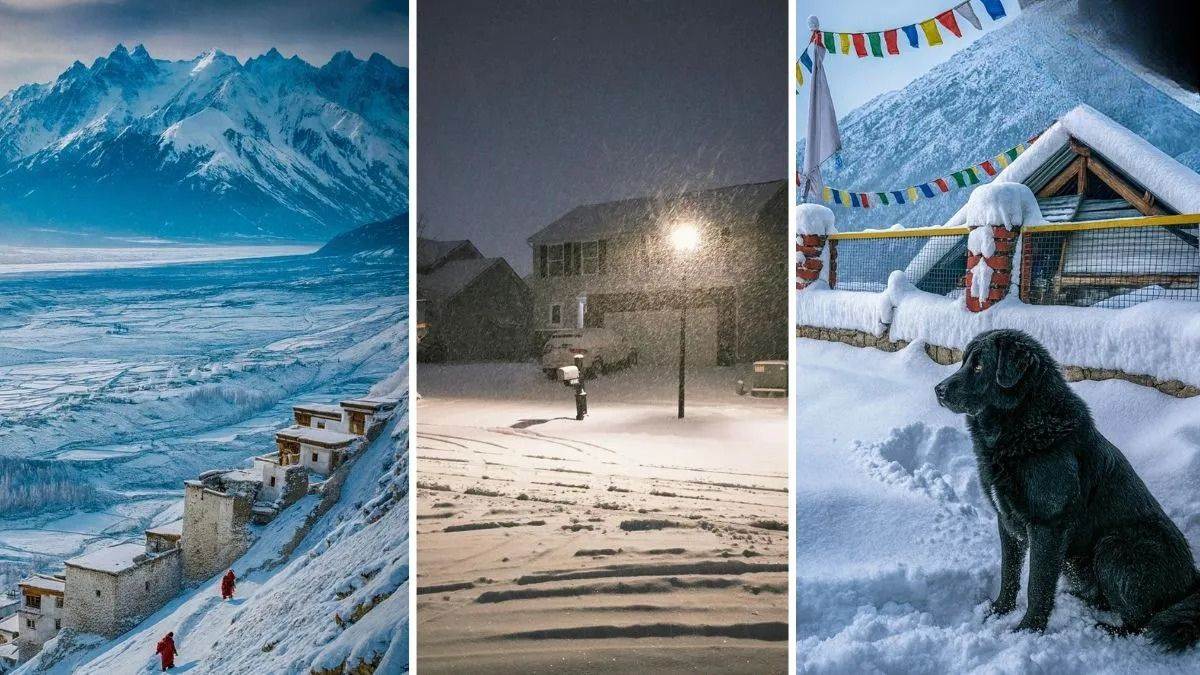
Drass, a remote settlement in the Kargil district of Ladakh, has earned a dramatic reputation as one of the coldest inhabited places in India. Locals and visitors alike often refer to it as “Drass India’s Siberia” because of the bone-chilling temperatures that can drop well below minus 30 degrees Celsius in winter. For those seeking an extreme winter experience beyond the more popular hill stations such as Shimla and Manali, Drass presents a stark, memorable alternative.
Drass India’s Siberia and Its Extreme Cold
The village sits at an altitude of roughly 3,200 metres and lies on the strategic Srinagar-Leh highway. Its geography, combined with high altitude and valley winds, contributes to prolonged and intense cold spells between December and February. Temperatures recorded in Drass have occasionally rivalled those of northern latitudes, creating conditions where even thick ice cream, known locally as kulfi, can freeze solid outdoors.
Beyond the sensational headlines, the severe climate shapes everyday life. Homes are built to retain heat, vehicles use special antifreeze measures and locals follow seasonal routines that have evolved over generations. The harsh environment also creates striking visual contrasts: bright winter sun, crisp blue skies and snow-clad ridgelines that appeal to photographers and travellers seeking solitude.

How to Visit and What to Expect
Drass is accessible by road from Srinagar and Kargil, though winter travel requires caution. Roads may be closed during heavy snowfall and chains or snow-ready tyres are often necessary. Visitors should plan trips with local operators and check weather and road updates. Accommodation options remain limited compared with mainstream hill stations, so advance booking is advisable.
Clothing and equipment are crucial. Insulated layers, windproof jackets, thermal gloves and boots are essential. Altitude sickness is also a consideration; travellers should acclimatise gradually and remain hydrated. Mobile connectivity can be patchy, and basic medical facilities are limited, so carrying a first-aid kit and informing others of travel plans is prudent.
Why Drass Appeals to Travellers
For many visitors, Drass offers a raw and authentic winter experience. Unlike commercialised hill resorts, it provides a glimpse into resilient local lifestyles and a chance to witness extreme natural conditions. The surrounding landscape supports winter trekking and photography, and the town’s history — including its strategic role during past conflicts — adds layers of interest for those who appreciate context and culture alongside scenery.
Local communities have been developing small-scale tourism services to welcome visitors while preserving traditions. Responsible travel practices are encouraged to minimise environmental impact and to respect local customs. Those who arrive prepared will find a distinct kind of beauty in Drass’s austere winters: a place where the cold is not merely a challenge but a defining character.
In short, if warm cafés and crowded promenades are not your preference, Drass offers an uncompromising winter encounter. Called “Drass India’s Siberia” by many, it remains a remarkable destination for adventurous travellers who wish to experience some of the most severe cold that India has to offer.
Key Takeaways:
- Drass, often called “Drass India’s Siberia”, is one of the coldest inhabited places in India, offering a unique winter experience.
- Temperatures can plunge far below freezing, shaping local life and attracting adventurous tourists.
- Accessible from Kargil and Srinagar, Drass demands careful planning and winter-ready preparations.








