











Guangzhou opened 2026 with a wave of activity that underlines the city’s economic vigour and its role as a gateway for trade and tourism in southern China. Officials and business operators reported bustling streets, strong consumer demand and record-breaking transport figures as the New Year holiday period coincided with the launch of a national trade-in subsidy.
Guangzhou economic surge marks high-energy start to 2026
The city’s metro network reached an unprecedented single-day total of 14.09 million passenger trips on 31 December 2025, surpassing previous national highs and reflecting intense cross-city movement around the holiday. Retail centres, parks and cultural venues were similarly busy, with mall operators reporting sizeable enquiry volumes on the first day of the national trade-in subsidy programme, which covers cars, household appliances and consumer electronics.
Journalists visiting showrooms and outlets found that the combination of holiday travel and new policy incentives lifted shoppers’ willingness to spend. Dealers across automotive, appliance and digital sectors said customer interest was noticeably higher, translating into a positive opening for retail sales as policy benefits began to flow through the economy.

Trade and logistics hubs in Guangdong also posted strong results. Guangzhou’s Nansha automobile port handled the roll-on/roll-off export of more than 380,000 vehicles in 2025, with the first shipment of 2026 bound for the United Arab Emirates. Meanwhile, the Nansha port’s ship calls rose to roughly 30,000 movements last year, setting a new record for the gateway.
Border facilities reported robust inbound traffic. Baiyun immigration checkpoints processed roughly 3.23 million inbound travellers in 2025, up nearly 37 percent year on year and marking an all-time high for the entry point. The increase highlights Guangzhou’s strengthening appeal for international visitors and business travellers.
Authorities emphasised that these figures reflect more than short-term holiday effects. On 1 January, provincial and municipal leaders visited technology firms, innovation platforms and public services to stress the need to translate momentum into sustained development through the province’s “fifteen-five” planning period.
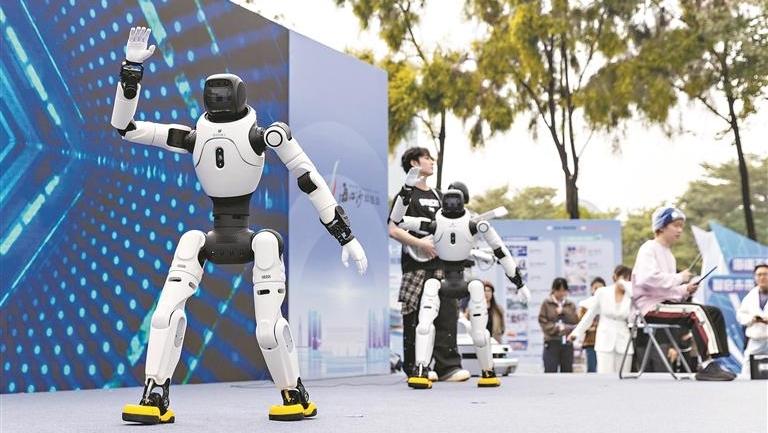
Innovation and culture initiatives are also moving forward. Haixinsha Technology Island, developed in partnership with national research institutes, launched as a new technology and cultural landmark on the Pearl River, intended to host exhibitions and incubate collaboration between industry and research.
Civic programmes and major events contributed to the positive atmosphere. The Guangdong, Hong Kong and Macao Greater Bay Area women’s half marathon attracted 20,000 runners on New Year’s Day, while anime festivals and cultural campaigns drew significant crowds, reinforcing a lively consumer environment across the region.
Officials caution that authorities will continue to manage traffic safety and order. Guangzhou’s transport police announced a year-long safety campaign targeting electric bicycles and related road behaviour from the start of the year. Local government also highlighted forthcoming measures for public culture services and further efforts to broaden market access and export channels.
Taken together, the early indicators suggest Guangzhou and Guangdong are leveraging policy incentives, transport capacity and cultural appeal to sustain a constructive start to 2026. For businesses and policymakers, the immediate challenge is to convert this New Year momentum into lasting growth throughout the year.
Key Takeaways:
- Guangzhou recorded a record metro daily ridership of 14.09 million as the city saw a bustling New Year start.
- National trade-in subsidies and holiday demand boosted consumer enquiries across autos, appliances and digital goods.
- Ports and border checkpoints reported sharp year-on-year growth, with Nansha exporting over 380,000 vehicles and Baiyun handling 3.23 million inbound travellers.
- New tech and cultural projects, including Haixinsha Technology Island, underline Guangdong’s push for innovation-led growth.








