











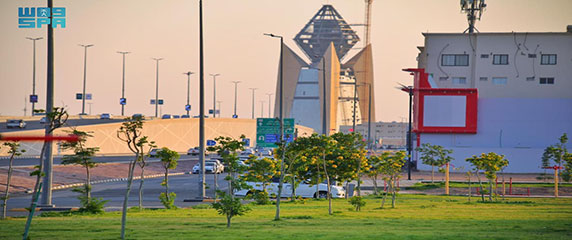
Gardens and parks across Hail have taken on a vivid golden hue as acacia trees burst into bloom, creating a striking urban scene that highlights the city’s recent push towards sustainable environmental development. The municipality has distributed more than 100,000 acacia trees to public parks and along road corridors, a move officials say aims to improve quality of life and strengthen the city’s green infrastructure.
Acacia glauca Hail plantings support green goals
The municipality’s campaign has focused on Acacia glauca, a species valued for its hardiness and ability to thrive in arid conditions. Planted widely across parks, promenades and median strips, these trees offer both aesthetic and ecological benefits. Their blooms have transformed public spaces into fragrant, colourful areas that encourage walking and outdoor recreation, particularly welcome during the region’s mild season.
Beyond the immediate visual impact, Acacia glauca Hail plantings contribute to longer term environmental resilience. The species adapts well to harsh, dry environments and can play a useful role in efforts to halt land degradation. Its capacity to improve soil fertility and withstand drought conditions makes it suited to projects aimed at combating desertification and restoring degraded land.

The trees’ growth rate also supports rapid canopy establishment. Local reports note an annual growth of around 80 to 90 centimetres, enabling neighbourhoods to gain shade and cooling benefits within a relatively short period. For residents and visitors, the new greenery softens the urban fabric while offering practical advantages such as improved air quality and reduced surface temperatures in heavily paved areas.
Municipal planners have emphasised that the mass planting was designed with long-term sustainability in mind. Selecting species that require limited irrigation and that can tolerate local soil and climate conditions reduces maintenance needs and conserves water. The strategy aligns with wider environmental development goals in the region and demonstrates how urban greening can support both social and ecological objectives.
Visitors to Hail’s public spaces have noted the change. Park users and people exercising outdoors find the flowering acacias enhance the leisure experience, offering colour and scent as they stroll along newly planted pathways. The visual transformation has also been welcomed by local tourism promoters, who see seasonal blooms as another reason to highlight the city to domestic visitors.
While the city enjoys the current spectacle, officials underline that the effort is more than cosmetic. The planting drive is part of a broader municipal programme that aims to create a more liveable urban environment and to embed nature-based solutions into city planning. By prioritising drought-resilient trees such as Acacia glauca, Hail is seeking to balance short-term amenity gains with longer term environmental returns.
The golden display of flowers reflects a seasonal rhythm that renews public spaces each year. As blooms fade, the benefits of increased tree cover will remain, contributing to a greener, more comfortable cityscape and supporting the municipality’s stated aims for sustainable urban development.
Key Takeaways:
- Hail municipality plants more than 100,000 acacia trees, improving public green space and urban amenity.
- Acacia glauca Hail plantings are boosting biodiversity and helping to combat desertification in the region.
- The flowering season has created a striking visual transformation that attracts visitors and supports outdoor activity.








