











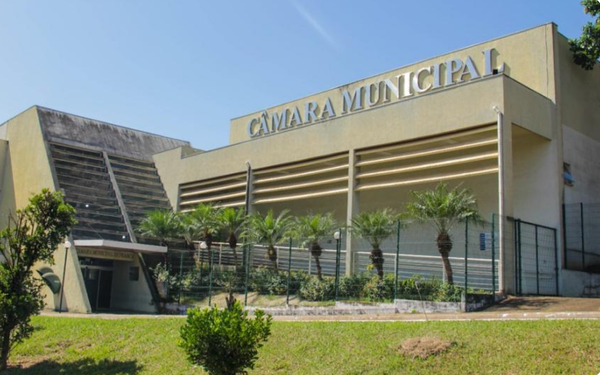
The Municipal Chamber of Franca in São Paulo has returned R$7.4 million to the city administration following a year of budgetary savings and unspent allocations linked to delayed construction work. The city council said the surplus arose from under-budget procurement, bank interest on applied funds and contracts that could not be completed within the planned timeframe.
Franca council returns funds
The council president, councillor Daniel Bassi, said the savings resulted in part from tenders awarded below initial estimates, which reduced planned expenditure. He added that several contracts related to renovation of the legislative building were not executed because construction work ran into obstacles, preventing the release of some payments to the contractor.
“We carefully managed the budget in line with the guidance of the Court of Auditors and the planning produced in 2024,” Bassi said. “That discipline made it possible to refund resources to the municipality so they can meet pressing needs.”

Council members formally recommended that the majority of the returned funds be channelled into health services. Specific allocations proposed include approximately R$1 million for APAE for works and services, including initiatives at the Autism Reference Centre; R$400,000 for the Fire Department to cover building maintenance and repairs; and about R$800,000 for the installation of up to 20 modern bus shelters at high-traffic locations.
The remainder of the R$7.4 million is earmarked for general health spending such as diagnostics, surgical procedures and the purchase of medical equipment. Local leaders said these investments are intended to deliver immediate benefits for residents who depend on public care.
Separately, the Chamber recently approved R$18,217,195.34 in mandatory amendments for 2026. Taken together with the returned duodecimal, the council’s interventions channel more than R$25 million towards priority sectors including health, social assistance, education and infrastructure.
Officials said the combined measures reinforce the legislative branch’s role in shaping the municipal budget through both the Budget Guidelines Law and the Annual Budget Law. The council framed the decisions as evidence of responsible stewardship and increased institutional capacity following a programme of modernisation.
Bassi highlighted improvements in the council’s administrative capacity, pointing to more technological, efficient and entrepreneurial processes introduced since 2024. He said enhanced planning and compliance with audit recommendations reduced waste and improved transparency.
Local civic groups welcomed the move, noting the practical value of directing funds to health and basic services. City hall must now formalise the allocations and publish an implementation timeline for the projects and purchases indicated by the council.
Observers said the case is a practical illustration of municipal fiscal responsibility: careful procurement, adherence to audit guidance and targeted reallocation of unspent funds can produce tangible benefits for frontline services. The coming months will show how quickly the recommended investments can translate into improved facilities, equipment and care for Franca’s residents.
Key Takeaways:
- Franca council returns funds after achieving R$7.4 million in budgetary savings and unspent project allocations.
- Majority of the amount has been recommended for health, including R$1 million for APAE and funds for surgeries, exams and equipment.
- Combined with R$18.2 million in 2026 impositive amendments, the council’s actions direct over R$25 million to priority areas.
- Officials cite prudent planning, transparent management and adherence to audit guidance as drivers of savings.








