











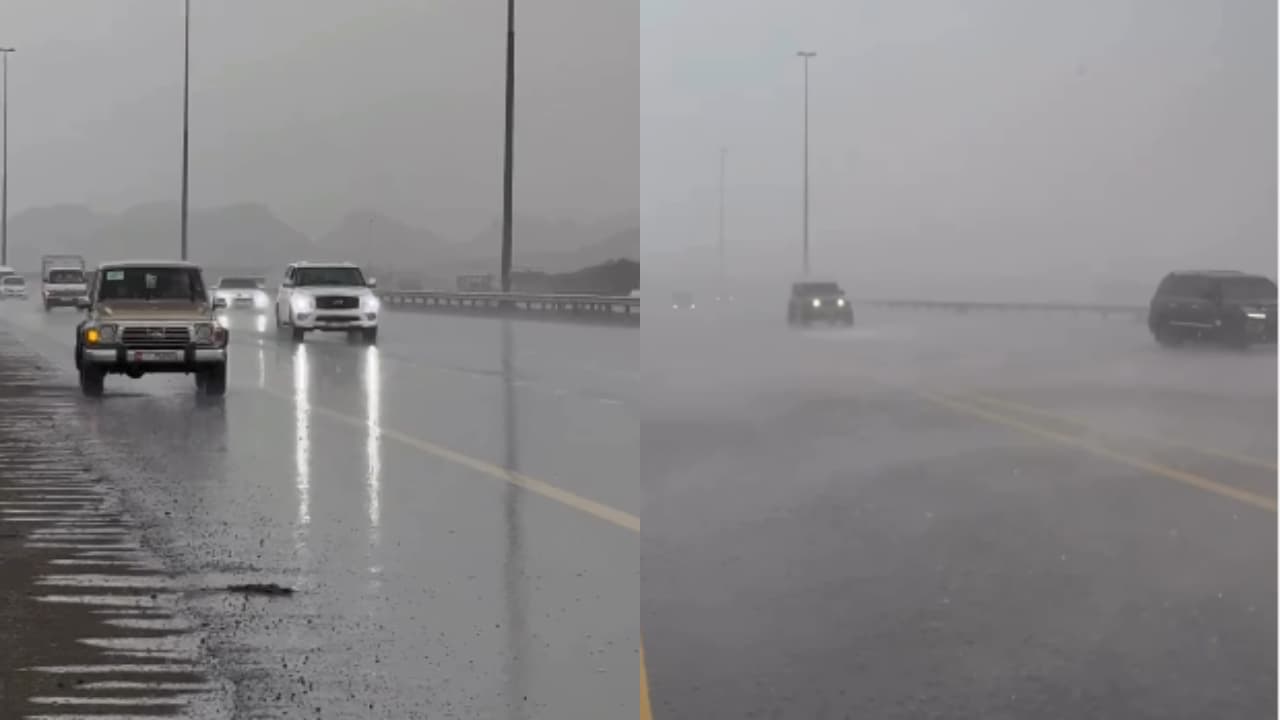
Heavy rain lashed parts of the United Arab Emirates this week, leaving several roads flooded and disrupting travel across the northern and eastern Emirates. Authorities said the downpour was most severe in Dubai, Ras Al Khaimah and Fujairah, where runoff from the mountains swept onto roadways and caused significant standing water in low-lying areas.
UAE heavy rain causes flooding and travel disruption
The National Centre of Meteorology issued a series of yellow and amber alerts for the northern and eastern Emirates as the system moved through. In Dubai, the Al Lisaili area recorded particularly intense rainfall, while Ras Al Khaimah and Fujairah reported heavy showers in several localities. Emergency services and traffic authorities were deployed to monitor affected routes and assist motorists.
In Fujairah, officials recorded variable intensities of rain across communities such as Masafi, Asim and Murbad, where some sectors experienced very heavy downpours. Observers also reported small hail on stretches including the Khorfakkan road and the Murbad–Masafi route, a factor that contributed to hazardous driving conditions.

Mountain runoff compounded the problem in many areas. Water descending from higher ground filled gullies and spilled onto roads, making some routes impassable and causing vehicles to become stranded. Traffic flow in parts of Ras Al Khaimah and Fujairah was interrupted as authorities worked to clear affected sections and direct drivers away from the worst-hit stretches.
Road safety remained the main concern for officials. Motorists were urged to reduce speed, maintain a safe distance from the vehicle ahead and avoid driving through deep or fast-moving water. Authorities emphasised that even seemingly shallow flooding can conceal hazards such as washed-away road surfaces or submerged obstacles.
Local emergency services responded to multiple calls for assistance and coordinated with road and transport agencies to reopen critical routes as conditions permitted. Where necessary, temporary traffic management measures were introduced to keep drivers away from high-risk locations until water levels receded and inspections confirmed it was safe to resume normal traffic patterns.
Weather warnings and traffic advisories were shared widely via official social media channels and local news outlets. The National Centre of Meteorology asked residents and visitors to stay informed on the latest forecasts and to follow guidance from civil defence and police services.
Officials also reminded the public that the UAE’s varied topography can accelerate the movement of stormwater from mountainous areas into urban districts and road networks. Drivers were advised to plan journeys with potential delays in mind and to allow extra time for travel while weather alerts remain in force.
As waters gradually receded in many locations, authorities continued assessments of road conditions before fully reopening affected routes. For the time being, motorists are being asked to exercise caution, heed official instructions and prioritise safety over speed while recovery and clearance operations proceed.
Key Takeaways:
- Heavy rain swept northern and eastern Emirates, with Dubai, Ras Al Khaimah and Fujairah hardest hit.
- The National Centre of Meteorology issued yellow and amber alerts as low-lying roads flooded and vehicles were stranded.
- Mountain runoff and localized hail intensified flooding on routes such as Khorfakkan and the Murbad–Masafi road.
- Authorities urged motorists to slow down, keep safe distances and follow road-safety advisories.








