











Key Takeaways:
- Heavy rains tested Iran power and water network resilience across multiple provinces, causing local outages and infrastructure damage.
- Officials say most interruptions were resolved quickly thanks to timely deployment of water and electricity crews.
- Severe rainfall and snowfall in Khuzestan and Kurdistan damaged medium and low-voltage lines, poles and transformers.
- Access issues persist for some rural villages; teams stand ready with machinery to restore permanent service once roads reopen.

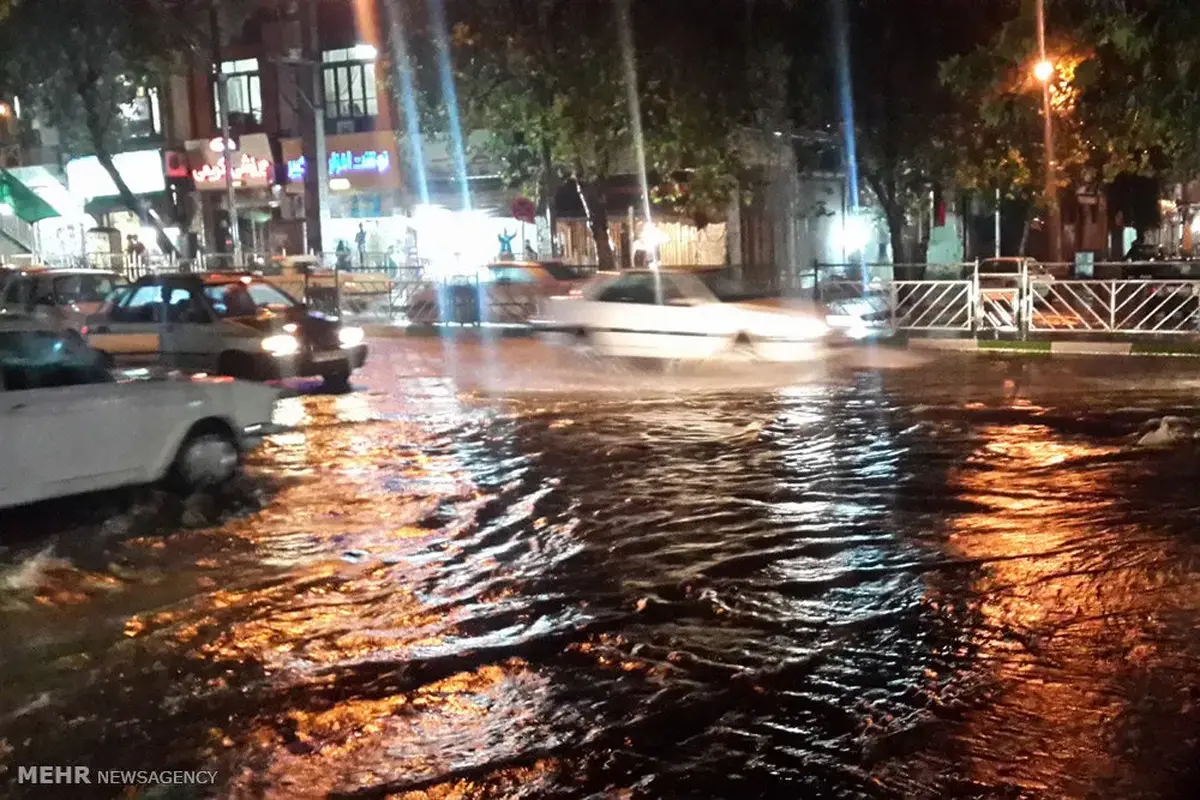
Heavy storms across western and south-western Iran have challenged the country’s vital water and electricity networks, but officials say rapid response by utility teams has restored the majority of services.
Seifollah Aghabeigi, director general of the Crisis Management and Passive Defence Office at the Ministry of Energy, told state media that forecasts indicated a significant rain and snow system affecting parts of the north-west, west and south-west of the country. Preparations were put in place to protect transmission systems, he said, but in some areas rainfall exceeded expectations and caused local disruption.

Iran power and water network resilience
The heaviest precipitation fell in parts of northern Khuzestan, including Masjed Soleyman, Izeh and Bagh-e Malek, where rainfall surpassed 130 to 140 millimetres. Such volumes proved sufficient to interrupt sections of transmission and cause problems with medium- and low-voltage distribution networks.
In Kurdistan province, particularly in the towns of Saqqez and Baneh, the depth and weight of snow brought down poles and transformers and snapped power lines. Local reports said teams from regional electricity companies worked through difficult conditions to reconnect affected areas, and most outages have been resolved.
Aghabeigi emphasised that a large share of cuts were fixed promptly due to the timely presence of water and electricity company personnel. Nevertheless, several village networks remain offline because secondary roads remain impassable. Officials said crews have been equipped with earth-moving machinery and additional personnel and are prepared to restore permanent supplies as soon as access is safe.
Emergency measures employed by the ministry included pre-positioning repair teams, clearing debris where possible and prioritising the most critical transmission links. The ministry also coordinated with local authorities to ensure shelters and relief services had the necessary water and power during the peak of the event.
While the immediate focus is on repair and restoration, the episode highlights vulnerabilities in distribution networks to sudden, heavy precipitation and rapid snow accumulation. Regions with steep terrain and limited road access are especially exposed, which complicates repair work and prolongs outages for remote communities.
Officials said they will review the response and consider further steps to strengthen network resilience, including improved access planning for rural distribution points and accelerated deployment of specialised machinery during forecasted severe weather events.
For now, the ministry reports that the majority of residents have had services restored. Emergency teams remain on standby, and authorities urged the public to follow safety guidance and report any remaining faults through official hotlines.
As climatic extremes become more frequent, the capacity to protect and rapidly repair critical infrastructure will remain a priority for Iranian authorities. The recent storms have tested that capacity and, according to the Ministry of Energy, demonstrated the value of pre-emptive planning and swift field response.








