











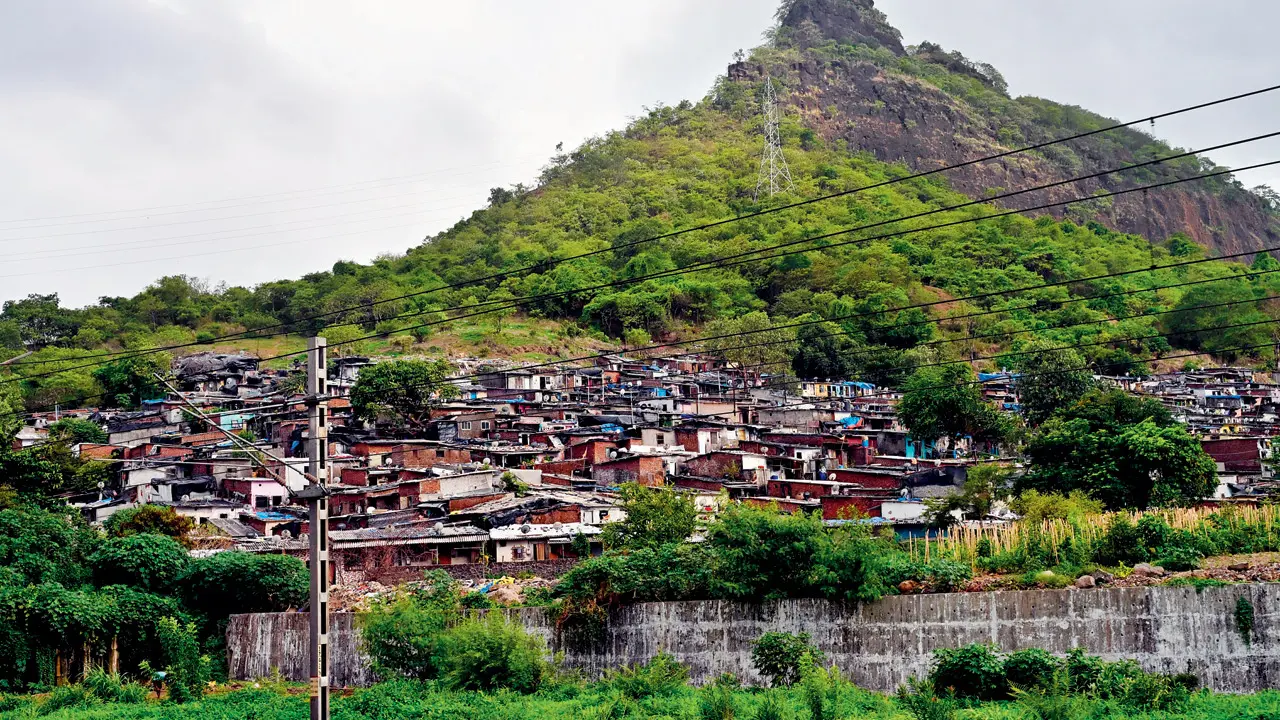
The Union Ministry of Environment, Forest and Climate Change (MoEFCC) has informed a non-governmental organisation that road projects featuring hill tunnelling do not require a prior Environmental Impact Assessment (EIA), a response that has intensified concern over construction in ecologically sensitive hill areas.
Hill tunnel EIA India: What the ministry said
In an RTI reply to NatConnect Foundation, the MoEFCC cited the EIA Notification, 2006, stating that environmental clearance is mandatory for National Highways and State Highways but that tunnels are not listed separately under the notification. The response related to queries over the Kharghar–Turbhe Link Road (KTLR), a ₹2,100 crore project in Navi Mumbai that will create twin 1.8 km tunnels through the Parsik–Kharghar hill stretch.
Green activist B.N. Kumar, director of NatConnect Foundation, had sought details of environmental clearance for the KTLR, which passes close to the ecologically sensitive Parsik Hill near Pandavkada. The ministry’s clarification means the project, and others like it, may proceed without the specific EIA process that environmentalists typically demand.

Environmental groups argue this gap in regulation could have wide-ranging consequences. They warn that excluding tunnels from the list of projects requiring an EIA effectively opens hills to large-scale drilling and cutting, increases the risk of destabilising slopes, and may allow related activities such as mining to be carried out under the same permissive interpretation.
“Rather than addressing regulatory blind spots, we are allowing hills to be exploited with no environmental checks,” Kumar said in response to the ministry’s position. He pointed to recent tunnel collapses in Uttarakhand and Telangana as examples of the hazards that can follow from inadequate assessment and oversight.
The ministry’s stance rests on a strict reading of the 2006 notification. The regulation lists categories of projects that require prior clearance; according to the MoEFCC reply, neither tunnelling nor hill road projects are identified as a separate category that mandates an EIA. Road projects categorised as National or State Highways continue to require clearance.
Legal experts and environmentalists say the decision exposes a policy gap that legislators and regulators must address. They favour an update to the notification or a specific set of guidelines for hill tunnelling that would assess impacts on slope stability, hydrology, forest cover and local biodiversity before projects proceed.
Proponents of the Kharghar–Turbhe Link Road argue the project will ease traffic congestion and improve connectivity around Navi Mumbai. Officials involved in the project have highlighted its potential economic and transport benefits, but environmentalists maintain that infrastructure gains should not come at the cost of fragile ecosystems.
The debate raises broader questions for infrastructure policy in India: how to balance development objectives with environmental safeguards, and whether existing regulatory frameworks remain fit for purpose as engineering methods and construction scales evolve. With public interest and judicial scrutiny often following high-profile projects, observers expect further challenges and calls for regulatory reform.
For now, the MoEFCC reply stands as a pivotal clarification of current practice, even as campaigners press for fresh safeguards and clearer rules to govern hill tunnelling across the country.
Key Takeaways:
- MoEFCC tells RTI applicant that road projects with tunnelling do not require prior environmental clearance under the EIA Notification, 2006.
- The Kharghar–Turbhe Link Road will cut twin 1.8 km tunnels through the Parsik Hill; project budget is ₹2,100 crore.
- Environmentalists warn the ruling opens hills to drilling, mining and biodiversity loss — raising fresh debate over hill tunnel EIA India.








